
Being cavity-free is good news, but it is not the whole story. Many Tulsa and Oklahoma patients come to Origin Dental Wellness because they want to understand why their gums bleed, why old dental work bothers them, why their mouth feels dry, or whether their oral health may be adding stress to the rest of the body.
That is where a functional dentist thinks differently. Instead of looking only for decay, a functional dentist asks what your mouth is revealing about inflammation, immune tolerance, nutrition, airway, materials, bite balance, and your overall resilience.
At Origin Dental Wellness, Shannon Toler, DDS, BCHN, AIAOMT, FAAOSH, FMRII, practices biological dentistry with a health-centered lens. As the single dentist in the practice and a Board Certified Holistic Nutritionist, Dr. Toler evaluates the mouth as part of a larger biological system, not as a set of isolated teeth.
What makes a functional dentist different?
A traditional dental exam often focuses on visible problems: cavities, broken fillings, tartar, and gum pockets. Those findings matter. A functional dentist still cares deeply about preventing decay and restoring damaged teeth. The difference is the next layer of questioning.
A functional dentist asks:
- Why is the problem happening?
- What materials are interacting with this person’s immune system every day?
- Is the oral microbiome balanced or inflammatory?
- Could hidden dental infections or chronic inflammation be affecting systemic health?
- Are airway, bite, dry mouth, nutrition, or stress making the mouth harder to heal?
This overlaps with what many patients call holistic, biological, or complete health dentistry. If you are new to this perspective, Origin Dental Wellness has also explained why complete health dentistry looks beyond teeth and why that matters for prevention.
The goal is not to blame every health concern on the mouth. It is to evaluate the mouth thoroughly enough that oral contributors are not missed.
The functional dental checklist beyond cavities
A functional dentist is trained to see patterns. A small cavity may be one clue, but the bigger picture includes tissue inflammation, bacterial activity, material compatibility, past dental history, and how the mouth is functioning day and night.
| What is evaluated | What Dr. Toler may look for | Why it matters biologically |
|---|---|---|
| Gums and bone support | Bleeding, pocket depths, recession, bone changes | Gum inflammation can reflect an active inflammatory burden |
| Oral biofilm | Bacterial patterns, plaque behavior, saliva clues | The oral microbiome can influence decay risk and periodontal health |
| Existing dental materials | Amalgam, metals, crowns, composites, implants | Materials may matter for toxin-sensitive or immune-sensitive patients |
| Root-canaled or previously infected teeth | Symptoms, imaging findings, recurrent swelling, unresolved concerns | Some patients need deeper evaluation of chronic dental infection sources |
| Bite and jaw function | Wear, clenching patterns, jaw tension, cracked teeth | Mechanical stress can damage teeth and strain muscles and joints |
| Airway and dry mouth | Mouth breathing signs, snoring history, saliva changes | Saliva and oxygenation affect microbiome balance and tissue resilience |
| Nutrition and systemic context | Diet patterns, mineral status clues, gut or immune history | The mouth often reflects whole-body inputs and stressors |
This is not a one-size-fits-all checklist. It is a way of thinking. A functional dentist gathers enough information to make the next step more personalized and less reactive.
Gum inflammation and the oral-systemic connection
One of the first things a functional dentist looks for beyond cavities is the health of the gums. Bleeding gums are common, but they are not normal. They suggest inflammation, irritation, or microbial imbalance that deserves attention.
The National Institute of Dental and Craniofacial Research describes gum disease as an infection and inflammation of the tissues that hold the teeth in place. In a functional dental setting, that definition matters because the gums are not sealed off from the rest of the body. They are vascular, immune-active tissues that can reflect broader inflammatory patterns.
The American Academy for Oral and Systemic Health also emphasizes the connection between oral health and systemic health. At Origin Dental Wellness, this is one reason gum evaluation is not treated as a quick box to check. Dr. Toler may consider periodontal charting, bleeding patterns, biofilm quality, saliva findings, and your broader health history before recommending a plan.
This can be especially important for immune-compromised patients, people with gut concerns, toxin-sensitive patients, and adults trying to lower their total inflammatory load.
Biofilm and saliva tell a bigger story
Plaque is not just something to scrape away. It is a biofilm, a living microbial community. Some biofilms are relatively balanced, while others are more associated with inflammation, bad breath, gum breakdown, or recurring decay.
A functional dentist looks at whether your daily oral environment is helping healthy microbes or feeding harmful patterns. Dry mouth, frequent snacking, mouth breathing, certain medications, reflux, stress, and mineral imbalances can all shift the oral environment.
At Origin Dental Wellness, salivary and biofilm diagnostics may be used when clinically appropriate. These tools can help move the conversation from guessing to more personalized prevention. For patients who want to understand the technology behind that approach, this overview of advanced dental diagnostics and healing support explains how deeper testing can inform care.
The functional question is not simply whether plaque is present. It is why the biofilm is behaving the way it is and how to help the mouth become more resilient.
Dental materials and immune compatibility
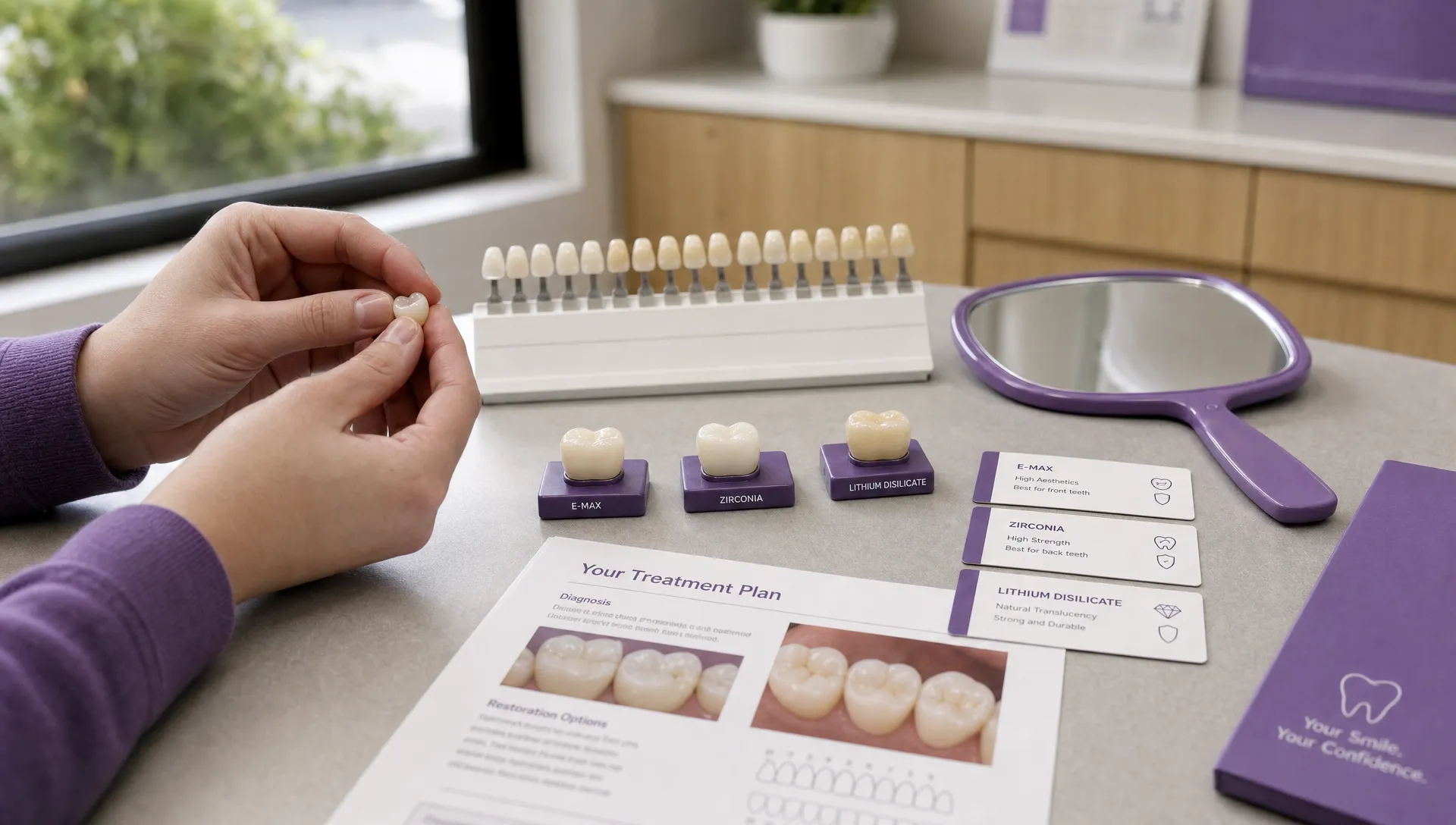
Many patients searching for a functional dentist are concerned about what is already in their mouth. They may have mercury amalgam fillings, metal crowns, old composites, titanium implants, or restorations that feel irritating or reactive.
A biological approach does not assume every material is ideal for every person. Dr. Toler may consider material history, symptoms, corrosion concerns, galvanic interactions, allergies, and hypersensitivity. For certain patients, compatibility testing such as MELISA may be discussed before placing new materials or replacing older dental work.
This level of precision is not unique to dentistry. In fields where long-term function depends on exact material behavior, certified manufacturers such as Jakom build custom shafts and rollers around material choice, tolerances, balancing, and quality control. Biological dentistry applies a similar mindset to the human body: what we place in the mouth should be chosen with care because it lives in a warm, wet, electrically active, immune-active environment every day.
For patients concerned about mercury fillings, Origin Dental Wellness follows a safety-conscious biological philosophy. When mercury amalgam removal is recommended, Dr. Toler uses SMART-protocol principles aligned with the IAOMT Safe Mercury Amalgam Removal Technique. This is especially relevant for toxin-sensitive patients who want mercury removal handled with added attention to exposure reduction.
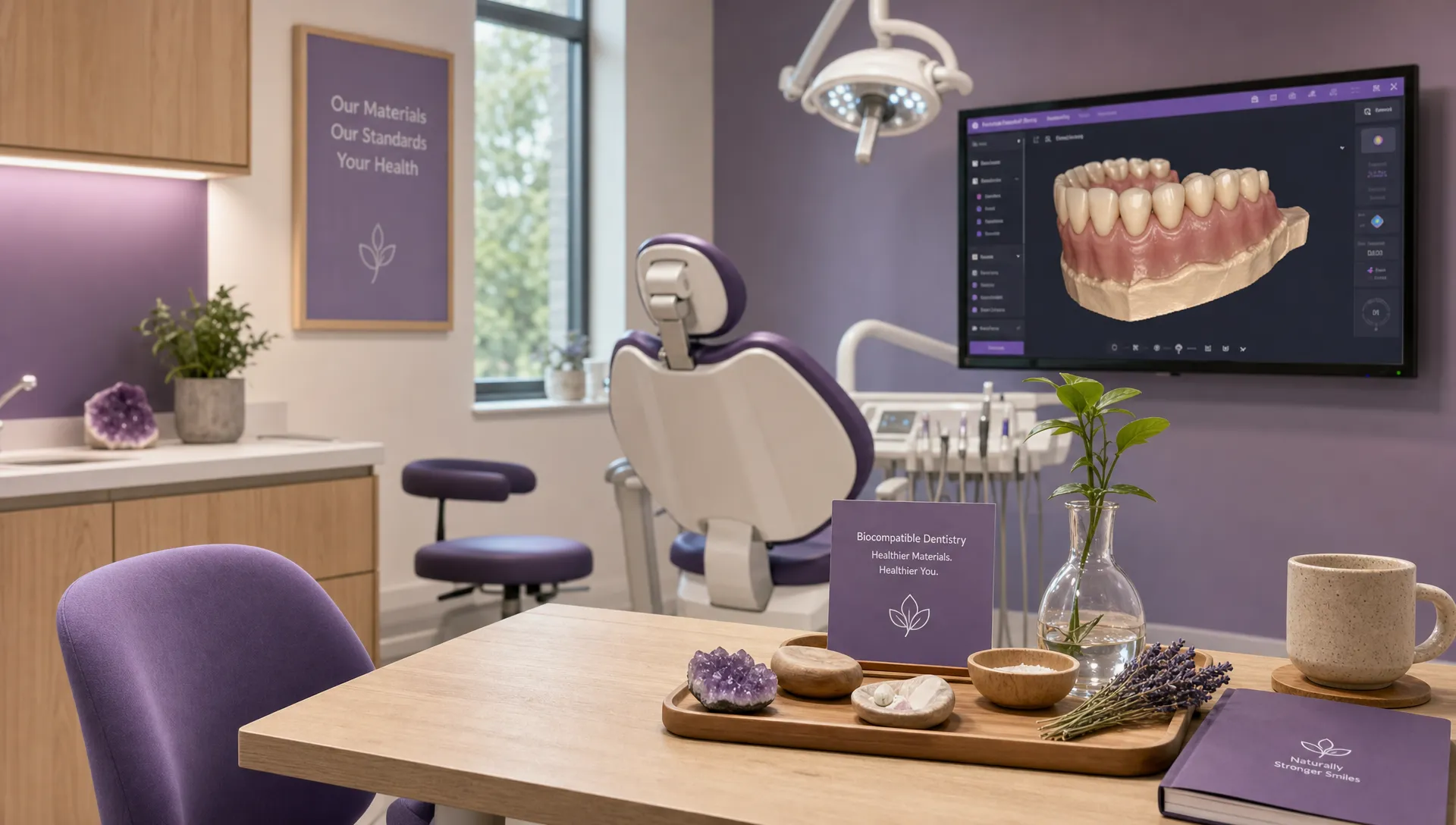
To learn more about this decision-making process, see how a bio dentist chooses safer materials based on biocompatibility, patient history, and long-term function.
Hidden infection and unresolved dental history
Not every dental problem hurts. A tooth can look quiet on the surface while deeper structures still deserve investigation. A functional dentist pays close attention to your dental history, including past root canals, extractions, deep decay, repeated abscesses, jawbone concerns, or teeth that have never felt right after treatment.
Origin Dental Wellness does not approach root canal therapy as a default recommendation. When a tooth is severely compromised, Dr. Toler discusses the biological considerations, imaging findings, restorative options, and the patient’s health priorities. Existing root-canaled teeth may be evaluated for signs of persistent infection, structural breakdown, or other concerns, but conclusions depend on each individual case.
Cone beam CT may be recommended when three-dimensional imaging is needed to see areas that standard two-dimensional X-rays may not fully clarify. This can be useful when symptoms do not match what is visible on a basic exam, or when past dental history raises questions.
The goal is not to create fear. The goal is to identify whether unresolved dental issues could be adding to the body’s inflammatory burden and to discuss options honestly.
Airway, bite, clenching, and the nervous system
Cavities are not the only sign that the mouth is under stress. Worn enamel, cracked teeth, gum recession, jaw soreness, morning headaches, scalloped tongue edges, and dry mouth can point toward bite imbalance, airway strain, clenching, or nervous system stress.
A functional dentist may ask about sleep quality, snoring, mouth breathing, jaw tension, headaches, posture, and daytime stress. These questions may feel unrelated to dentistry at first, but they can explain why teeth keep breaking, gums keep receding, or the mouth stays dry despite good hygiene.
Dental anxiety also matters. A patient who is tense, overwhelmed, or chemically sensitive may need a calmer, more supportive appointment environment. Origin Dental Wellness may use tools such as NuCalm when appropriate to support relaxation without making the visit feel rushed or dismissive.
Functional dentistry sees comfort as part of care, not an afterthought.
Nutrition, minerals, and the terrain of the mouth
As a Board Certified Holistic Nutritionist, Dr. Toler considers nutrition part of the oral health conversation. This does not mean dental care becomes a diet lecture. It means that recurring decay, gum inflammation, dry mouth, slow healing, and enamel weakness may call for a wider discussion.
A functional dentist may ask about hydration, protein intake, mineral-rich foods, blood sugar patterns, reflux, gut health, medications that reduce saliva, and habits that keep the mouth acidic throughout the day. No single food or supplement can replace dental treatment, and patients should always work with their healthcare providers for medical concerns. Still, the mouth often gives early clues about the body’s internal terrain.
This is one reason Origin Dental Wellness focuses on education. A patient who understands the why behind oral disease can make better daily decisions between visits.
Fluoride-free prevention is still prevention
Some patients assume that if a dental office is fluoride-free, prevention must be weaker. That is not the biological view.
Origin Dental Wellness chooses a fluoride-free approach because our practice prioritizes low-toxicity strategies, personalized prevention, and support for the oral microbiome. That may include better biofilm control, mineral-supportive habits, saliva optimization, dietary conversations, ozone therapy when appropriate, and restorative choices that respect biocompatibility.
The aim is not to ignore cavities. It is to prevent them in a way that fits the patient’s biology and values.
What patients can expect at Origin Dental Wellness in Tulsa
Patients visit Origin Dental Wellness from Tulsa, Broken Arrow, Jenks, Bixby, Owasso, Sand Springs, Oklahoma City, and neighboring states because they are looking for more than a quick cavity check. The new patient appointment is intentionally comprehensive and is over $500. Many patients find it is more detailed than any initial dental visit they have experienced.
During this type of visit, our team gathers a broader picture of your oral and overall health. Depending on your needs, that may include a detailed history, periodontal evaluation, discussion of existing dental materials, salivary or biofilm diagnostics, cone beam CT when indicated, and a conversation about your goals and concerns.
Pricing for recommended treatment is available upon request once a treatment has been recommended. Origin Dental Wellness is out-of-network for all insurance providers. Patients pay in full on the day of the appointment, then our team files with the insurance company so reimbursement can be processed at the out-of-network rate, subject to the insurer’s approval. Treatment recommendations are made based on what Dr. Toler believes is clinically appropriate, not based on the likelihood of insurance coverage. Origin Dental Wellness does not directly offer financing or pay-over-time plans, but the practice does accept the CareCredit credit card as a third-party option.
This transparency matters because functional dentistry is highly personalized. The right plan depends on your health history, diagnostic findings, priorities, and tolerance for different materials and procedures.
When to consider seeing a functional dentist
You do not need to wait until something hurts. A functional dentist may be a good fit if you want prevention that looks deeper than cavities or if your health history makes standard dental assumptions feel incomplete.
Consider a functional dental evaluation if any of these apply:
- You are concerned about mercury amalgam fillings or past metal dental work.
- You have known or suspected material sensitivities, metal allergies, or chemical sensitivities.
- Your gums bleed, your breath has changed, or you have been told you have periodontal disease.
- You have root-canaled teeth, past dental infections, or unresolved dental symptoms.
- You have dry mouth, clenching, cracked teeth, jaw tension, or signs of mouth breathing.
- You are immune-compromised or managing gut, inflammatory, or systemic health concerns.
- You want a low-toxicity, fluoride-free, microbiome-aware approach to prevention.
- You want dental recommendations that align with a nontoxic lifestyle.
A functional dentist does not replace your physician or specialist. Instead, this approach helps make sure the mouth is evaluated as one possible contributor to your overall health picture.
Frequently Asked Questions
What does a functional dentist look for besides cavities? A functional dentist evaluates gum inflammation, oral biofilm, saliva quality, dental materials, bite stress, airway clues, past infections, root-canaled teeth, nutrition patterns, and how oral health may connect with whole-body wellness.
Is a functional dentist the same as a holistic dentist? The terms overlap, but they are not always identical. At Origin Dental Wellness, the approach is biological, holistic, and functional, with attention to biocompatible materials, the oral-systemic connection, low-toxicity care, and individualized prevention.
Why would dental materials matter to overall health? Dental materials stay in the mouth for years and interact with saliva, chewing forces, bacteria, and the immune system. A biological dentist considers compatibility, sensitivity history, corrosion concerns, and patient-specific risk before recommending materials.
Does Origin Dental Wellness remove mercury fillings? When mercury amalgam removal is recommended, Dr. Toler uses a safety-conscious biological approach with SMART-protocol principles. Each patient needs an individual evaluation before any treatment is recommended.
Can a functional dentist help if I have ongoing health concerns? A functional dentist cannot diagnose or treat systemic medical conditions, but a thorough biological dental evaluation can help identify oral inflammation, material concerns, biofilm imbalance, or unresolved dental history that may be worth addressing as part of a broader health plan.
Ready to look beyond cavities in Tulsa?
If you are in Tulsa, the surrounding metro, Oklahoma City, or a nearby state and want dentistry that considers the whole person, Origin Dental Wellness can help you take a deeper look at your oral health.
Dr. Shannon Toler and our team provide biological dental care centered on biocompatibility, oral-systemic health, low-toxicity prevention, and individualized recommendations. If you are ready for a more comprehensive conversation about what your mouth may be telling you, contact Origin Dental Wellness to request a new patient appointment.