
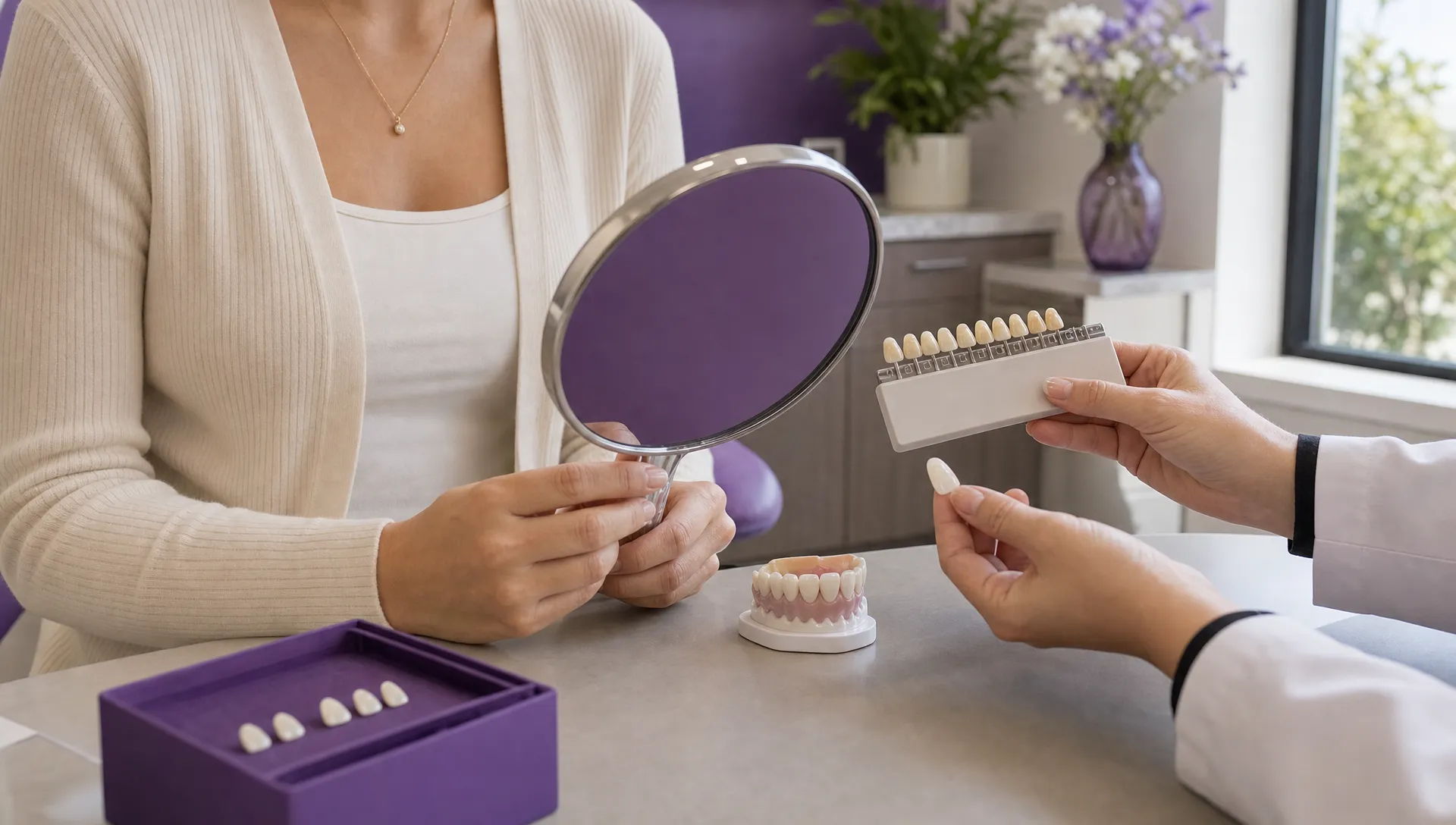
A beautiful smile should feel like it belongs to you, not like it was placed over unresolved dental issues. For health-conscious patients in Tulsa and across Oklahoma, holistic cosmetic dentistry offers a different path: improve the appearance of the smile while protecting the biology that keeps teeth, gums, bone, saliva and the rest of the body working together.
At Origin Dental Wellness, cosmetic care is not separated from whole-body health. Dr. Shannon Toler, DDS, BCHN, AIAOMT, FAAOSH, FMRII, approaches smile enhancement through the lens of biological dentistry and holistic nutrition. That means material choices, inflammation, bite balance, oral bacteria, airway considerations, sensitivity history and patient goals all matter before a cosmetic plan is recommended.
The result is not a one-size-fits-all makeover. It is a health-centered plan for making your smile brighter, cleaner, more balanced and more natural while reducing avoidable irritation or exposure to materials your body may not tolerate well.
Cosmetic dentistry should begin with the health of the mouth
Traditional cosmetic dentistry often focuses on the visible outcome: whiter teeth, straighter alignment, smoother edges, better symmetry or restorations that look more natural. Those goals are valid. Many patients want to feel confident when they speak, laugh or take photos.
A biological approach asks a deeper question first: is the smile healthy enough to support the cosmetic work?
Cosmetic changes placed over bleeding gums, active decay, unstable bite forces or inflamed tissue can create problems later. A veneer may look beautiful on day one, but if the gum tissue is irritated or the bite is overloaded, the result may be less stable. Whitening may brighten enamel, but if the mouth is dry, acidic or sensitive, the experience may be uncomfortable. Aligners may improve appearance, but if biofilm control is poor, the gums and enamel can suffer during treatment.
The National Institute of Dental and Craniofacial Research explains that gum disease is driven by plaque bacteria and can progress from gingivitis to more serious periodontal disease when left untreated. For a holistic cosmetic plan, gum health is not a side issue. It is part of the foundation.
This is why cosmetic and health-focused care often belong together. If you want a deeper look at that overlap, Origin Dental Wellness has also covered when cosmetic and general dentistry make sense together from a whole-person perspective.
What makes holistic cosmetic dentistry different?
Holistic cosmetic dentistry still cares about color, proportion, shape and facial harmony. The difference is the order of priorities. The smile should look good, function well and be built with materials and methods that respect the patient’s biology.
Cosmetic dentistry can look different depending on the philosophy of the practice. A procedure-forward clinic, such as a Melbourne CBD dentist offering whitening, veneers, orthodontics and general dental services, may present treatment categories as the starting point. At a biological practice like Origin Dental Wellness in Tulsa, the starting point is broader: what is happening in the mouth, how might it affect the body and which cosmetic options fit this patient’s health profile?
Here is how the focus shifts in a holistic model:
| Cosmetic goal | Conventional focus | Holistic cosmetic dentistry focus |
|---|---|---|
| Whiter teeth | Shade change | Shade change, sensitivity risk, enamel condition, saliva quality and low-toxicity options |
| Straighter smile | Alignment | Alignment, airway clues, gum health, hygiene access and bite balance |
| Veneers or bonding | Shape and color | Shape, color, tooth preservation, material compatibility and long-term tissue response |
| Replacing old restorations | Better appearance | Appearance, mercury safety when relevant, biocompatibility and inflammation reduction |
| Smile makeover planning | Final look | Final look, oral microbiome, periodontal stability, jaw function and whole-body context |
This does not mean every patient needs every diagnostic tool or every possible treatment. It means the plan is customized rather than automatic.
The biological foundation: gums, saliva and biofilm
Before whitening, bonding, veneers or aligner therapy, a biological dentist wants to understand the environment those treatments will live in.
Healthy gums frame the teeth and contribute to the final cosmetic result. Inflamed gums may appear red, puffy, uneven or prone to bleeding. They can also make impressions, scans or bonding less predictable. Addressing gum inflammation first can improve both comfort and aesthetics.
Saliva is equally important. It helps buffer acids, supports remineralization, lubricates tissues and helps control the oral environment. A patient with dry mouth, reflux patterns, frequent acidic drinks or medication-related dryness may need a different plan than someone with strong saliva flow and low sensitivity.
Biofilm, the microbial layer that forms on teeth and under the gums, also matters. Origin Dental Wellness may use salivary and biofilm diagnostics when appropriate to better understand bacterial patterns rather than guessing from appearance alone. This microbiome-aware approach is especially relevant for immune-compromised patients, patients with gut concerns and adults trying to live as nontoxic and healthy as possible.
The American Academy for Oral and Systemic Health emphasizes the relationship between oral conditions and systemic wellness. In a cosmetic context, that connection matters because a bright smile should not come at the expense of unresolved inflammation.
Biocompatible materials protect more than appearance
Cosmetic dentistry often involves materials: bonding resins, ceramics, cements, polishing agents, aligner materials or replacement restorations. In holistic cosmetic dentistry, the question is not only “Will this look good?” It is also “How well does this material fit this patient?”
Some patients know they are sensitive to metals, plastics, fragrances, fluoride or dental materials. Others discover sensitivities only after years of unexplained irritation or immune reactivity. At Origin Dental Wellness, Dr. Toler may consider hypersensitivity testing, including MELISA testing when clinically appropriate, as part of a personalized planning process.
Biocompatibility is especially important when cosmetic care includes replacing older dental work. If an old amalgam filling is visible when someone smiles, the patient may want it replaced for cosmetic reasons. In a biological practice, mercury removal is not treated like a simple swap. Origin Dental Wellness follows a safety-conscious philosophy informed by the IAOMT’s Safe Mercury Amalgam Removal Technique resources when mercury fillings are removed.
This is a key distinction. The cosmetic improvement may be a tooth-colored restoration, but the biological priority is reducing exposure during the process and choosing a replacement material that fits the patient’s needs.
Whitening in a fluoride-free, sensitivity-aware practice
Many cosmetic patients begin with whitening because it can make the smile look younger and cleaner without changing tooth shape. But whitening is not automatically ideal for every mouth.
A holistic cosmetic dentistry approach considers enamel condition, recession, exposed root surfaces, gum inflammation, existing restorations and sensitivity history. Whitening agents only affect natural tooth structure, not crowns, veneers or composite fillings. If someone has visible restorations, whitening may need to happen before replacement work so shades can be matched appropriately.
Origin Dental Wellness is a fluoride-free practice. That means Dr. Toler’s approach to strengthening and protecting teeth does not rely on routine fluoride as the default recommendation. Instead, the practice considers saliva, nutrition, oral pH, minerals, home care habits and the patient’s broader health picture. For more context, you can read about what builds a healthy smile in a fluoride-free practice.
For patients with sensitivity, this planning matters. A brighter smile is not a success if it leaves the patient uncomfortable or avoiding normal foods and drinks. The goal is to improve color while respecting the tooth’s current condition.
Natural-looking results depend on conservative planning
A healthy cosmetic result should not look artificial. It should harmonize with the face, lips, gums and personality of the patient. In biological dentistry, natural-looking cosmetic work also tends to mean conservative dentistry whenever possible.
Preserving healthy tooth structure is a major value. Some cosmetic concerns can be improved with careful polishing, whitening, bonding, enamel reshaping, gum health improvements or clear aligner therapy. Other cases may require ceramic restorations or more advanced planning. The right choice depends on the condition of the teeth and the patient’s goals.
Conservative planning may include:
- Choosing minimal-prep options when they are appropriate for the tooth and bite
- Improving gum health before final shade or shape decisions are made
- Considering clear aligners when tooth position contributes to cosmetic concerns
- Matching materials based on esthetics, function and compatibility
- Avoiding rushed treatment when diagnostics suggest deeper issues need attention first
Patients who want natural results may find it helpful to review Origin Dental Wellness’s guide on how to choose a cosmetic dentist for natural results. The right cosmetic provider should be able to explain not only how the smile will look, but also how the plan protects the teeth and surrounding tissues.
Bite balance protects cosmetic dentistry from early wear
Cosmetic work has to survive real life: chewing, speaking, clenching, grinding and daily cleaning. If the bite is unstable, restorations may chip, wear or feel uncomfortable. Teeth may also shift or develop uneven pressure.
A biological cosmetic plan looks at how the teeth come together, not only how they look in a smile photo. If the front teeth are crowded, flared, worn or overloaded, aligner therapy may be part of the conversation. Clear aligners can improve esthetics while also making teeth easier to clean in selected cases. They may also avoid the metal exposure and hygiene challenges that concern some holistic patients with traditional braces.
Bite evaluation is not about making every patient pursue orthodontics. It is about recognizing that the forces in the mouth can either protect or undermine cosmetic dentistry. A smile that looks balanced but functions poorly may not be the healthiest long-term result.
Cosmetic planning for patients with old dental work
Many adults seeking cosmetic dentistry are not starting with untouched teeth. They may have silver fillings, crowns of unknown materials, root canal treated teeth, old bonding, metal-based restorations or gum recession around previous dental work.
In a conventional setting, the discussion may focus mainly on replacing what looks dark, stained or mismatched. At Origin Dental Wellness, the discussion is broader. Dr. Toler considers the health status of the tooth, the surrounding bone, the material history, the patient’s symptoms and the patient’s biological priorities.
This is also where the practice’s position on root canals matters. Origin Dental Wellness does not recommend root canal therapy as part of its biological philosophy. For patients who already have root canal treated teeth and are pursuing cosmetic changes, Dr. Toler may use advanced imaging, such as cone beam CT when appropriate, to better evaluate the area before recommending a plan. This is not a diagnosis from an article, and it does not mean every patient will need the same care. It means old dental work deserves careful evaluation before cosmetic changes are layered on top.
Why Tulsa patients choose a holistic cosmetic approach
Patients come to Origin Dental Wellness from Tulsa, Broken Arrow, Jenks, Bixby, Owasso, Sand Springs, Oklahoma City and neighboring states because they want more than a pretty smile. Many are toxin-sensitive. Some have autoimmune, gut or inflammatory concerns. Some are trying to reduce unnecessary chemical exposures. Others simply want dentistry that explains the “why” behind every recommendation.
For these patients, holistic cosmetic dentistry can feel more aligned with their values because it considers:
- Whether the mouth is inflamed before cosmetic work begins
- Whether materials are compatible with the patient’s body
- Whether whitening or restorations may trigger sensitivity
- Whether the bite can support the planned cosmetic changes
- Whether nutrition, saliva and microbiome patterns are affecting enamel or gums
The first visit at Origin Dental Wellness is intentionally comprehensive and is over $500. Patients receive extensive insight and customized recommendations for overall dental health. Treatment fees are discussed once a treatment is recommended, and the practice provides care based on clinical judgment rather than the likelihood of insurance coverage.
Questions to ask before starting cosmetic dental treatment
If you are considering smile enhancement, the consultation should help you understand both the cosmetic possibilities and the health tradeoffs. Good questions include:
- What needs to be healthy before whitening, bonding, veneers or aligners begin?
- Are my gums, saliva and oral bacteria affecting my cosmetic options?
- Which materials would be used, and are there biocompatible alternatives?
- How much natural tooth structure would need to be changed?
- Could my bite or grinding habits affect the longevity of the result?
- If I have old amalgam fillings or root canal treated teeth, how will those be evaluated?
- How will you help the final result look natural rather than overdone?
A cosmetic plan should make sense to you. If the recommendation feels rushed or only focuses on appearance, it may not be the right fit for a patient who values whole-body wellness.
Frequently Asked Questions
What is holistic cosmetic dentistry? Holistic cosmetic dentistry improves the appearance of the smile while considering oral-systemic health, biocompatible materials, gum inflammation, saliva, the oral microbiome and patient sensitivities. It is cosmetic care planned through a biological lens.
Can holistic cosmetic dentistry include whitening? Yes, whitening may be an option, but a biological dentist will first consider enamel condition, sensitivity, gum health, existing restorations and the patient’s overall oral environment. At Origin Dental Wellness, whitening is approached in a fluoride-free, sensitivity-aware way.
Are veneers considered holistic? Veneers can fit within a holistic cosmetic plan when they are recommended thoughtfully, made from appropriate materials and placed only after gum health, bite forces and tooth preservation are considered. They are not the best choice for every patient.
Why does material compatibility matter in cosmetic dentistry? Cosmetic treatments often involve resins, ceramics, cements or other materials that remain in the mouth long term. Patients with sensitivities, immune concerns or metal allergies may benefit from a more personalized material selection process.
Does Origin Dental Wellness remove mercury fillings for cosmetic reasons? Some patients want old amalgam fillings replaced because they are visible or because they want a lower-toxicity dental plan. When mercury fillings are removed, Origin Dental Wellness uses a safety-conscious biological approach rather than treating removal as a purely cosmetic procedure.
Plan a healthier smile upgrade in Tulsa
If you want a brighter, more balanced smile without ignoring your health priorities, holistic cosmetic dentistry may be the right conversation to start. At Origin Dental Wellness in Tulsa, Dr. Shannon Toler combines biological dentistry and holistic nutrition to evaluate not only how your smile looks, but how it functions and how it may be affecting your overall wellness.
Patients visit us from across the Tulsa metro, Oklahoma City and surrounding states for cosmetic care that respects biocompatibility, low-toxicity living and whole-mouth health. To begin, schedule a comprehensive new patient appointment with Origin Dental Wellness and receive personalized recommendations based on your mouth, your goals and your biology.