
Modern dentistry is moving beyond the idea that a dental visit is only about fixing teeth. For many patients, the bigger question is: why did this problem happen, how is it affecting the rest of my health, and what can be done to help my body heal well afterward?
That is where advanced care dental makes a meaningful difference. In a biological and holistic dental setting, advanced care is not just newer equipment. It is a more complete way of diagnosing, planning, treating, and supporting recovery, with attention to the mouth-body connection, biocompatible materials, microbial health, inflammation, and long-term stability.
For patients in Tulsa who want dentistry that respects whole-body health, this approach can lead to clearer answers, more personalized treatment plans, and a more intentional healing process.
What “advanced care dental” means in a holistic dental office
Advanced dental care often brings to mind digital scans, 3D imaging, same-day restorations, or surgical technology. Those tools matter, but they are only part of the picture.
In a health-centered dental practice, advanced care also means asking better questions before treatment begins. What does the gum tissue reveal about inflammation? Are oral bacteria contributing to recurring disease? Are materials compatible with the patient’s needs? Is there hidden infection in the jaw? Is the treatment plan designed to support healing, not just repair structure?
This is closely aligned with Origin Dental Wellness’s philosophy of health-centered dentistry, which recognizes that the mouth is not separate from the rest of the body. Oral infections, chronic inflammation, airway concerns, material sensitivities, and impaired healing can all influence how dental care should be planned.
The National Institute of Dental and Craniofacial Research describes oral health as essential to overall health and quality of life, not an isolated cosmetic or mechanical concern. That perspective is central to advanced care dental because the goal is not simply to “do dentistry faster.” The goal is to do it more intelligently, with better information and fewer assumptions.
Better diagnosis starts before the drill
Many dental problems are easy to see. A cracked tooth, a large cavity, or swollen gums may be obvious during an exam. Other issues are more subtle. Low-grade infection, early bone changes, hidden abscesses, biofilm imbalances, and inflammation patterns may not be visible to the naked eye.
Advanced diagnostics help uncover those details earlier and more accurately.
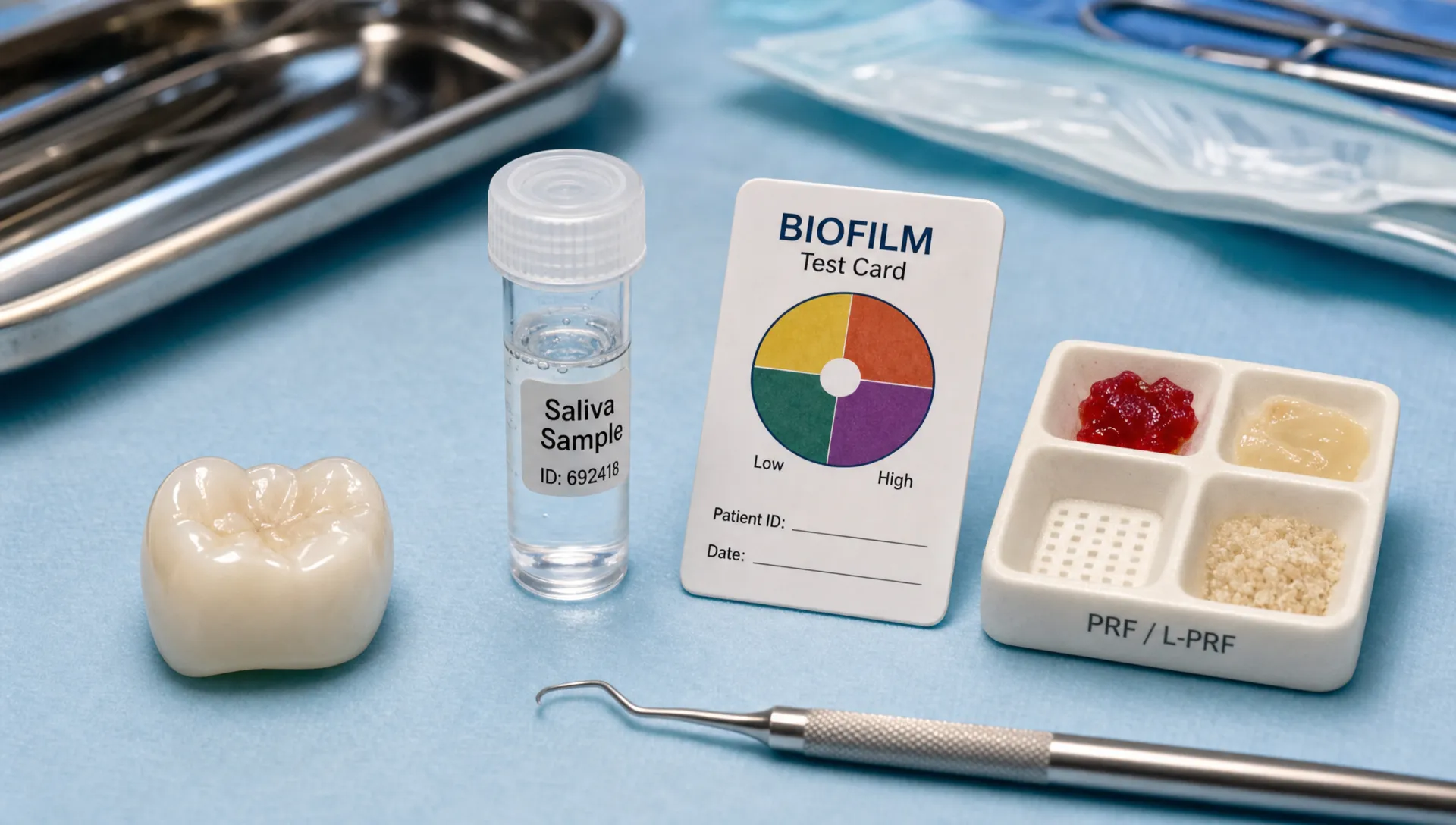
Oral biofilm testing
Dental plaque is not just “buildup.” It is a living microbial community. In some patients, certain bacteria are associated with gum inflammation, bleeding, bone loss, bad breath, and recurring periodontal disease.
Oral biofilm testing can help identify microbial patterns that may not be obvious from a visual exam alone. This allows the dental team to move from a general recommendation, such as “brush and floss better,” to a more targeted plan that addresses the specific bacterial risk involved.
That matters because periodontal disease is common and often underdiagnosed. The CDC reports that a significant percentage of U.S. adults over age 30 have some form of periodontitis. When gum disease is found earlier, patients have a better opportunity to control inflammation before it becomes more destructive.
Salivary diagnostics
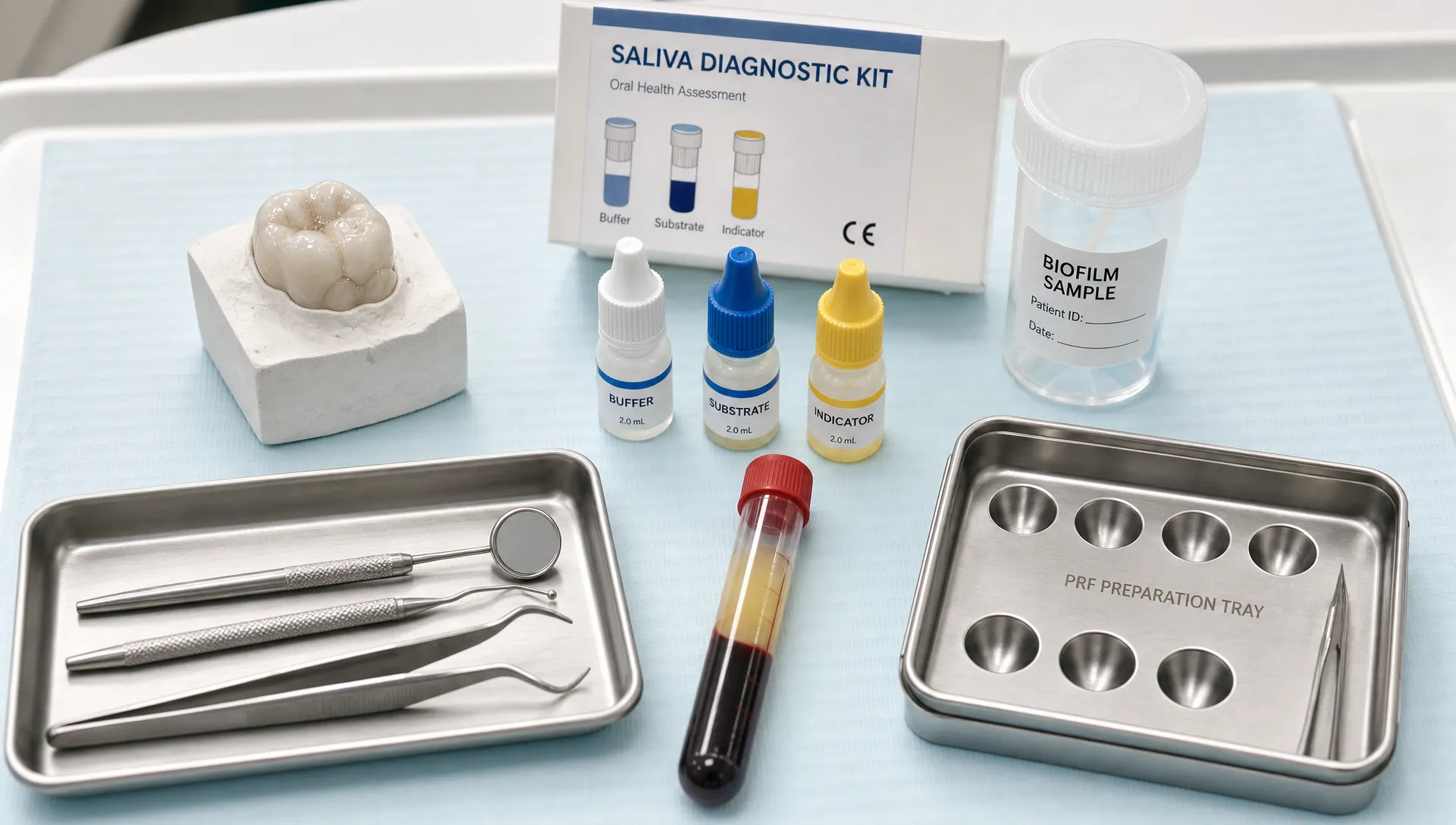
Saliva carries useful biological information. Depending on the test being used, salivary diagnostics may help evaluate bacterial load, inflammatory markers, or other oral health indicators. In a holistic dental setting, this can be especially helpful for patients who have recurring gum problems, unexplained inflammation, or a history of dental treatment that does not seem to stay stable.
Rather than relying only on symptoms, salivary testing adds another layer of objective data. It helps the dental team monitor risk over time and tailor prevention in a more precise way.
3D imaging and hidden infection
Traditional dental X-rays are valuable, but they are two-dimensional. Some infections, bone defects, or root-related problems can be difficult to see when complex anatomy is flattened into a single image.
When appropriate, cone beam CT imaging can provide a three-dimensional view of teeth, roots, jawbone, sinuses, and surrounding structures. This can be especially important when evaluating implant sites, chronic pain, failing teeth, or teeth with a history of root canal treatment. If you are concerned about a treated tooth, Origin Dental Wellness explains why a root canal infection may be hidden on standard X-rays and why more advanced imaging can change the conversation.
| Diagnostic question | Standard clues | What advanced care dental can add |
|---|---|---|
| Is gum disease active? | Bleeding, pocket depths, bone loss on X-rays | Biofilm testing and salivary data to clarify microbial risk |
| Is infection hidden? | Pain, swelling, dark areas on 2D X-rays | 3D imaging when indicated to evaluate bone and root structures |
| Is a material suitable? | Clinical durability and esthetics | Biocompatibility considerations and metal-free options when appropriate |
| Is healing likely to be stable? | General medical history and exam findings | Inflammation control, surgical planning, PRF or PRP support, and follow-up monitoring |
Why materials influence diagnosis and healing
Advanced diagnosis is only half the equation. The materials used in the mouth also matter, especially for patients seeking a biological or holistic approach.
Dental materials are placed in a warm, wet, biologically active environment and may remain there for years. That is why biocompatibility is a key part of advanced care dental. Instead of viewing a filling, crown, implant restoration, or cement as merely a mechanical repair, a health-centered practice considers how that material interacts with the body.
For example, many patients prefer metal-free ceramic restorations for esthetic and biological reasons. Others come to a holistic dental office because they are concerned about older amalgam fillings. The FDA notes that dental amalgam contains mercury and can release low levels of mercury vapor, which is one reason some patients choose careful replacement when clinically appropriate. In those situations, safe mercury removal protocols are designed to reduce unnecessary exposure during the process.
A biocompatible approach does not mean every patient receives the same material. It means the dental team chooses materials thoughtfully, based on the tooth, the bite, the patient’s health history, and the long-term goal of restoring function with as little biological burden as possible.
Healing is a biological process, not just a dental outcome
After a filling, extraction, periodontal therapy, implant procedure, or oral surgery, the body has work to do. Blood flow, immune response, clot quality, microbial control, nutrition, inflammation, and the patient’s general health all affect recovery.
Advanced care dental improves healing by planning treatment with those factors in mind from the beginning.
Ozone therapy as an adjunct
Ozone therapy is used by some biological dental practices as an adjunctive tool to help manage microbial burden and support a cleaner treatment environment. It may be used in different forms depending on the clinical situation and the dentist’s training.
It is important to understand that ozone is not a stand-alone replacement for diagnosis, periodontal care, surgery, or restorative dentistry. Its value is in how it may support a broader plan focused on reducing harmful bacteria and improving the local environment where healing needs to occur.
PRP and PRF healing support
Platelet-rich plasma (PRP) and platelet-rich fibrin (PRF) are created from a patient’s own blood. These platelet concentrates are used in many areas of medicine and dentistry because they contain growth factors and form a biologically active matrix that can support normal tissue repair.
In oral surgery, PRF may be used to support soft tissue healing, extraction sites, bone grafting, or implant-related procedures. It does not guarantee a specific result, but it can be a valuable tool when the goal is to work with the body’s natural healing process rather than relying only on mechanical closure.
This is especially relevant for implants and bone-related procedures. Successful dental implants depend on a stable foundation, healthy bone, and careful planning. Origin Dental Wellness covers this concept in more depth in its article on why implants need a firm foundation.
Inflammation control before and after treatment
Healing is harder when the body is already dealing with high inflammation or active infection. Advanced dental care often includes controlling periodontal disease, evaluating oral bacteria, improving home care, and timing procedures carefully so the body is better prepared.
This is also where dental care intersects with broader wellness habits. Sleep, blood sugar balance, smoking status, hydration, protein intake, and stress can all affect tissue repair. Some patients also explore at-home recovery tools for general wellness, such as red light or compression therapy, and resources like professional-grade recovery and wellness devices can be useful for learning about those non-dental support options.
How advanced care dental changes the patient experience
Patients often notice the difference in how the process feels. Instead of rushing from symptom to procedure, advanced care begins with investigation.
A patient with bleeding gums may receive microbial testing and a periodontal strategy rather than only a cleaning reminder. A patient with jaw discomfort near an old root canal may be evaluated with more detailed imaging rather than being told everything looks normal on a flat X-ray. A patient needing surgery may have a plan that includes PRF, ozone, material selection, and follow-up monitoring.
This approach can improve the patient experience in several ways:
- More confidence in the diagnosis: Better data helps patients understand what is happening and why a treatment is recommended.
- More personalized care: Treatment can be adapted to oral bacteria, systemic health, material preferences, and healing needs.
- Fewer surprises: 3D imaging and advanced diagnostics may reveal risks before treatment begins.
- Stronger prevention: The goal becomes preventing recurrence, not repeatedly repairing the same problem.
- Better collaboration: Patients can make informed decisions when the dental team explains both the oral and whole-body context.
The best advanced dental care does not overwhelm patients with technology. It uses technology and biological insight to make care clearer, safer, and more aligned with long-term wellness.
When this approach is especially valuable
Advanced care dental can benefit almost any patient, but it may be especially helpful if you have a history of recurring dental problems or health concerns that make standard dentistry feel incomplete.
Consider a more advanced, biological evaluation if you are dealing with persistent gum inflammation, unexplained dental pain, failing restorations, implant planning, old amalgam fillings, suspected hidden infection, sensitivity to dental materials, or a desire for a more prevention-focused approach.
It can also be valuable for patients who simply want to understand their oral health more deeply. You do not need to wait for a major dental emergency to benefit from better diagnostics.
Questions to ask before treatment
If you are evaluating a dental office or preparing for a procedure, the right questions can reveal whether the care is truly advanced or just technology-driven.
Ask how the office evaluates gum disease risk, whether salivary or biofilm testing is available, how material compatibility is considered, when 3D imaging is recommended, what steps are taken to reduce microbial burden, and how healing is supported after surgery.
You can also ask how the dental team explains findings. Advanced care should make you feel more informed, not more confused. If a scan, test, or treatment is recommended, you deserve to understand what it shows, why it matters, and how it affects your options.
Frequently Asked Questions
What is advanced care dental? Advanced care dental refers to dentistry that uses better diagnostics, thoughtful treatment planning, biocompatible materials, and healing-focused techniques to improve both oral health and whole-body wellness.
Is oral biofilm testing painful? No. Oral biofilm testing is typically non-invasive and may involve collecting a plaque or saliva sample. It helps identify bacterial patterns that can contribute to gum disease and inflammation.
Does every patient need 3D dental imaging? Not always. Cone beam CT imaging is most useful when it adds important information, such as evaluating hidden infection, bone quality, implant sites, surgical anatomy, or complex symptoms.
Can PRF make dental surgery heal faster? PRF supports the body’s natural healing process by concentrating platelets and fibrin from the patient’s own blood. It may improve the healing environment, but results depend on the procedure and the patient’s overall health.
Is ozone therapy a replacement for dental treatment? No. In dentistry, ozone is best understood as an adjunct. It may support microbial control, but it does not replace proper diagnosis, periodontal therapy, restorative care, or surgery when those treatments are needed.
A smarter path to diagnosis and healing
Advanced dental care is not about doing more treatment. It is about making better decisions with better information, then supporting the body as it heals.
At Origin Dental Wellness, that means combining biological dentistry, advanced diagnostics, biocompatible materials, safe mercury removal, oral biofilm testing, salivary diagnostics, ozone therapies, and PRP or PRF healing support when appropriate. The result is a more complete approach to dentistry, one that sees the mouth as part of the whole person.
If you are looking for advanced care dental in Tulsa and want a practice that prioritizes both oral health and overall wellness, Origin Dental Wellness can help you take the next step with clarity and confidence.