
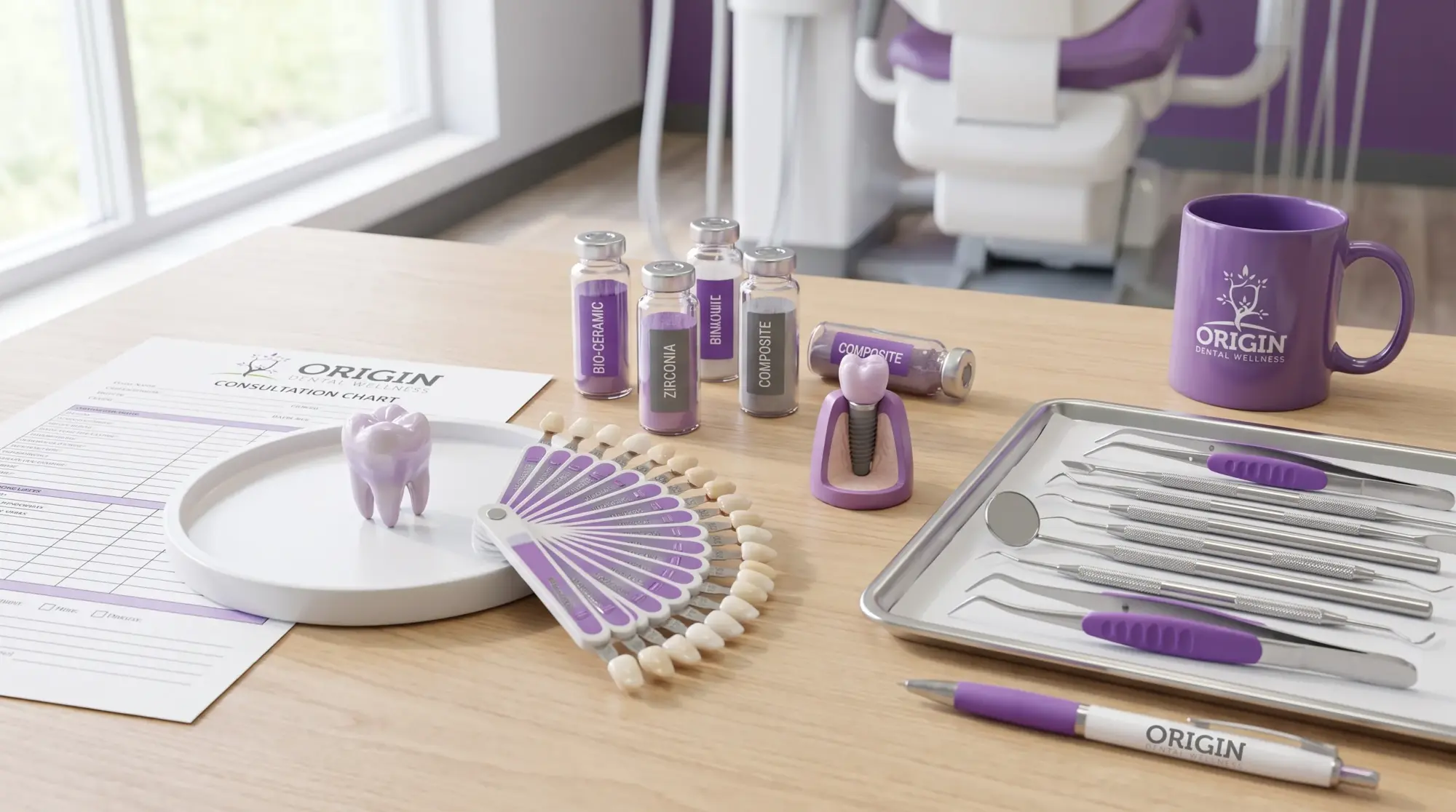
If you are looking for a bio dentist in Tulsa, Oklahoma, you are probably asking a deeper question than “Will this filling fix my tooth?” You may be asking what the material is made of, how your immune system might respond, whether it contains metals or fluoride, and how it fits into your long-term health goals.
That is exactly where biological dentistry differs from a standard “drill and fill” mindset. At Origin Dental Wellness, Shannon Toler, DDS, BCHN, AIAOMT, FAAOSH, FMRII, evaluates dental materials through a whole-body lens. As a Biological Dentist and Board Certified Holistic Nutritionist, Dr. Toler considers not only strength and appearance, but also biocompatibility, toxin exposure, inflammation, the oral microbiome, and a patient’s personal health history.
Safer materials are not chosen by trend. They are chosen through a process.
What “safer dental materials” really means
In biological dentistry, “safer” does not mean a material is perfect, universally risk-free, or right for every patient. It means the material is selected with more attention to compatibility, exposure, durability, and the patient’s overall biological context.
A bio dentist looks at dental materials as long-term residents in the mouth. A filling, crown, cement, implant, bonding agent, or removable appliance may interact with saliva, bacteria, chewing forces, temperature changes, and the immune system every day for years.
The National Institute of Dental and Craniofacial Research emphasizes that oral health is part of overall health. Biological dental material selection starts from that same principle. The mouth is not separate from the rest of the body, so what is placed in the mouth deserves careful consideration.
For Origin Dental Wellness, a safer material is typically evaluated by questions like these:
- Is it compatible with this patient’s health history and sensitivity profile?
- Does it reduce avoidable exposure to mercury, nickel, fluoride, BPA-related compounds, or other substances of concern when alternatives are appropriate?
- Will it seal well and reduce the risk of recurrent decay?
- Can it be placed with minimal trauma to the tooth and surrounding tissues?
- Does it support a balanced oral environment instead of creating more inflammation or plaque retention?
- Is it durable enough to avoid repeated replacement and additional drilling?
This is why two patients with the same broken tooth may not always receive the same material recommendation.
The first filter: the patient’s biology
A biological material decision begins before a product is opened. It begins with the person sitting in the chair.
Some patients tolerate a broad range of materials without noticeable problems. Others have a history of chemical sensitivity, autoimmune conditions, metal allergies, unexplained inflammatory symptoms, mast cell concerns, gut health issues, or reactions to jewelry, cosmetics, fragrances, adhesives, or previous dental work.
For toxin-sensitive patients, the goal is not to guess. It is to gather better information. Depending on the situation, Dr. Toler may consider health history, previous reactions, oral findings, imaging, salivary or biofilm information, and biocompatibility or hypersensitivity testing. In some cases, testing such as MELISA may be discussed for metal sensitivity concerns.
Testing does not guarantee that a material will be perfect for every patient. It is one tool that can help reduce uncertainty, especially for patients who have already reacted poorly to dental materials or medical implants.
If chemical sensitivity is a major concern for you, this deeper approach is discussed further in our guide to biological dental care for toxin-sensitive patients.
The second filter: what is already in the mouth
Choosing safer materials is not only about what comes next. It is also about what is already there.
Many adults have older dental work that may include amalgam fillings, metal crowns, porcelain-fused-to-metal restorations, old cements, deteriorating composites, or mixed metals. These materials can create different biological concerns depending on the patient and the condition of the restoration.
Existing amalgam fillings
Dental amalgam contains mercury. The U.S. Food and Drug Administration notes that certain higher-risk groups, including pregnant people, people planning pregnancy, nursing people, children, people with neurological disease, people with impaired kidney function, and people with known heightened sensitivity to mercury or other amalgam components, should avoid getting new amalgam fillings whenever possible and appropriate, according to the FDA’s dental amalgam guidance.
At Origin Dental Wellness, our approach is mercury-free for new restorations and mercury-safe when existing amalgam is removed. That distinction matters. Removing amalgam without proper precautions can increase exposure during the procedure, which is why Dr. Toler follows a safety-focused process aligned with biological dentistry principles, including SMART-protocol mercury removal.
The International Academy of Oral Medicine and Toxicology describes the Safe Mercury Amalgam Removal Technique as a protocol designed to reduce mercury exposure during amalgam removal. If you want to understand the difference between simply avoiding mercury and removing it with protective precautions, read our article on why mercury safe is not the same as mercury free.
Mixed metals and galvanic concerns
When different metals are present in a wet, salty environment like the mouth, some patients report sensitivity, metallic taste, or irritation. Biological dentistry pays attention to these possibilities, especially in patients with immune or neurological concerns.
That does not mean every metal must automatically be removed. It means the material history, symptoms, imaging, and clinical findings should be evaluated before making a plan.
The third filter: how the material behaves over time
A material can look excellent on the day it is placed, but biological dentistry asks what happens later. Does it absorb water? Does it shrink? Does it corrode? Does it trap plaque? Does it wear the opposing teeth? Does it need an aggressive cement? Can it be polished smooth? Can it be repaired conservatively?
The safest option is not always the softest, newest, or most “natural-sounding” material. A weak material that fails early can lead to more drilling, more inflammation, and a higher lifetime treatment burden.
| Material decision | What a bio dentist considers | Why it matters |
|---|---|---|
| Composite filling | Resin chemistry, bonding quality, curing, polishability, patient sensitivity | Poorly selected or poorly placed composite can leak, irritate tissue, or fail early |
| Ceramic crown or onlay | Tooth preservation, strength, cement choice, gum compatibility, bite forces | A well-designed ceramic restoration can reduce metal exposure and support aesthetics |
| Implant material | Bone quality, immune history, metal sensitivity, ceramic vs selected titanium options | Implant materials stay in close contact with bone and immune tissues |
| Cement and bonding agents | Ingredients, sealing ability, fluoride content, technique sensitivity | The “hidden” material under a crown may matter as much as the crown itself |
| Removable appliances | Acrylics, dyes, metal clasps, cleaning products, tissue response | Appliances contact oral tissues for long periods and may affect sensitive patients |
This is why a biological practice does not evaluate materials in isolation. The restoration, adhesive, cement, placement technique, bite, saliva, and patient biology all matter.
Common material choices in a biological dental practice
There is no single “best” material for every tooth or every person. Still, there are common patterns in biological material selection.
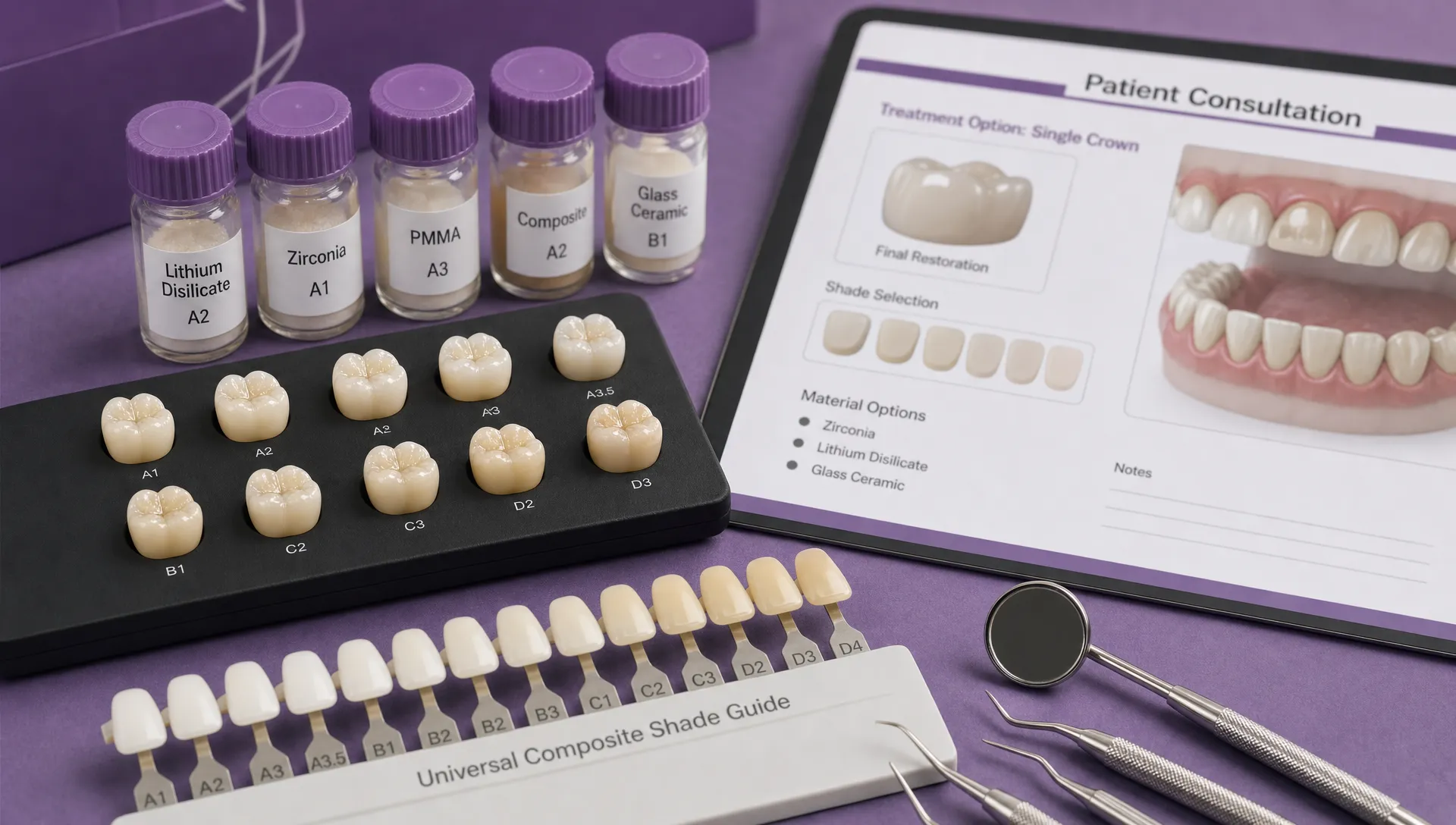
For small to moderate cavities, tooth-colored composite may be recommended when it allows conservative treatment and avoids mercury or metal. Dr. Toler considers the patient’s sensitivity profile and the clinical demands of the tooth before recommending a specific option. Placement technique is critical, because moisture control, bonding, curing, and finishing can affect both longevity and tissue response.
For larger restorations, ceramic options such as porcelain or zirconia may be considered. These materials can provide strength and aesthetics without using traditional dental metals. However, the cement and bonding system still need attention. A “biocompatible crown” is not just the visible crown. It includes the entire system used to attach it to the tooth.
For implants, biological dentistry looks closely at material compatibility, bone health, inflammation, and the patient’s systemic risk factors. Ceramic options may be discussed for patients who prefer metal-free dentistry or have metal sensitivity concerns. In other cases, selected titanium options may be evaluated carefully. If you are specifically comparing implant materials, our article on biocompatible dental implants in Tulsa explains that topic in more detail.
For cosmetic dentistry, the same principles apply. A beautiful result should not come at the cost of unnecessary irritation, aggressive tooth reduction, or avoidable chemical exposure. Whitening products, bonding resins, veneers, cements, and polishing materials should all be chosen with the patient’s oral and whole-body health in mind.
“Biocompatible” includes the procedure, not just the product
A material is only as biologically respectful as the way it is used.
For example, a carefully selected composite can still become a problem if it is placed in a contaminated field, left rough at the margins, or cured inadequately. A ceramic crown can still irritate the gums if the margin is poorly designed or the cement is not appropriate for the patient. Amalgam removal can be more stressful to the body if protective protocols are not followed.
This is why Dr. Toler’s material decisions are connected to clinical technique. Depending on the case, Origin Dental Wellness may use tools and protocols such as cone beam CT imaging, ozone therapy, PRP or PRF, salivary and biofilm diagnostics, and careful isolation. The goal is to support healing, reduce unnecessary exposure, and create dentistry that fits the person, not just the tooth.
Our practice is also fluoride-free. Rather than defaulting to routine fluoride use, Dr. Toler emphasizes individualized prevention, nutrition, oral microbiome support, and material choices that align with a lower-toxin lifestyle.
A practical tip for patients who travel
Material safety also depends on continuity of care. Ask for the names or categories of materials placed in your mouth, especially if you have sensitivities or complex health concerns. Keeping a simple dental materials record can help if you move, react to a restoration, or need urgent care while away from Tulsa.
This is especially useful for patients who travel often. For example, if you are organizing health documents before an extended trip and planning the rest of your itinerary with Mexico tours and travel specialists, keep your dental material list with your medical records so another provider can make better-informed decisions if a dental issue arises.
Questions to ask a bio dentist about materials
If you are comparing dental options in Tulsa, Broken Arrow, Jenks, Bixby, Owasso, Sand Springs, Oklahoma City, or beyond, these questions can help you understand how thoughtfully a practice approaches materials.
- What materials are you considering for my restoration, and why?
- Are there metal-free or lower-toxicity alternatives for my case?
- Do you evaluate compatibility for patients with allergies or chemical sensitivities?
- What cement, bonding agent, or adhesive will be used with the restoration?
- If I have amalgam fillings, what protocol do you use for removal?
- How will this material affect my bite, gums, oral microbiome, and long-term tooth structure?
- What are the tradeoffs between durability, aesthetics, biocompatibility, and future repair?
A thoughtful bio dentist should be able to explain not only what material is being used, but why that material fits your biology, your tooth, and your long-term goals.
What to expect at Origin Dental Wellness
At Origin Dental Wellness, material selection is part of a broader biological evaluation. Dr. Toler does not recommend treatment based only on what a tooth looks like in isolation. She considers your oral health, systemic health history, sensitivity concerns, nutrition, airway and inflammatory factors when relevant, imaging, and your goals for a lower-toxin lifestyle.
Because this approach is more comprehensive, the new patient appointment is more detailed than a typical dental visit and is over $500. Pricing for treatment is available upon request once a treatment is recommended. Origin Dental Wellness is out-of-network for all insurance providers, payment is due in full on the day of the appointment, and our team files with your insurance company so they can reimburse you at the out-of-network rate, subject to their approval.
The point of this deeper process is not to overwhelm you. It is to help you understand your options and make decisions that are more personalized than a standard material menu.
Frequently Asked Questions
Is a bio dentist the same as a mercury-free dentist? Not necessarily. A mercury-free dentist does not place new mercury amalgam fillings. A mercury-safe biological dentist also focuses on protective protocols when old amalgam is removed, because removal can create exposure if it is not handled carefully.
Are ceramic dental materials always safer than metal? Not always for every person or every clinical situation. Ceramic and zirconia materials can be excellent options, especially for patients seeking metal-free dentistry, but the best choice depends on tooth structure, bite forces, immune history, sensitivity testing, and the full treatment plan.
Do I need biocompatibility testing before every filling or crown? Not every patient needs testing for every procedure. Testing may be more relevant for people with known allergies, chemical sensitivity, autoimmune concerns, previous reactions to dental work, or complex medical histories. Dr. Toler can discuss whether testing makes sense for your situation.
Can dental materials affect whole-body health? The mouth is connected to the rest of the body through the immune system, bloodstream, microbiome, and inflammatory pathways. Biological dentistry does not claim that every symptom comes from dental materials, but it does take material exposure and compatibility seriously.
Does Origin Dental Wellness use fluoride? Origin Dental Wellness is a fluoride-free practice. Dr. Toler focuses on individualized prevention, nutrition, oral microbiome support, and restorative materials that align with a lower-toxin philosophy.
Choose dental materials with your whole body in mind
If you are searching for a bio dentist in Tulsa, Oklahoma, safer material selection should be more than a label. It should be a process that considers your sensitivities, your immune health, your oral microbiome, your existing dental work, and the long-term function of every restoration.
Origin Dental Wellness serves patients from Tulsa and the surrounding metro, including Broken Arrow, Jenks, Bixby, Owasso, and Sand Springs, as well as patients who travel from Oklahoma City and neighboring states for biological dental care.
If you want dental recommendations that reflect your whole-body health goals, contact Origin Dental Wellness to learn whether our biological approach is the right fit for you.