
Most people first think about dentistry when something feels wrong with a tooth. A filling breaks. A gum line feels tender. A molar starts aching at night. Traditional dentistry is excellent at responding to those moments, but complete health dentistry asks a broader question: what is the mouth telling us about the whole person?
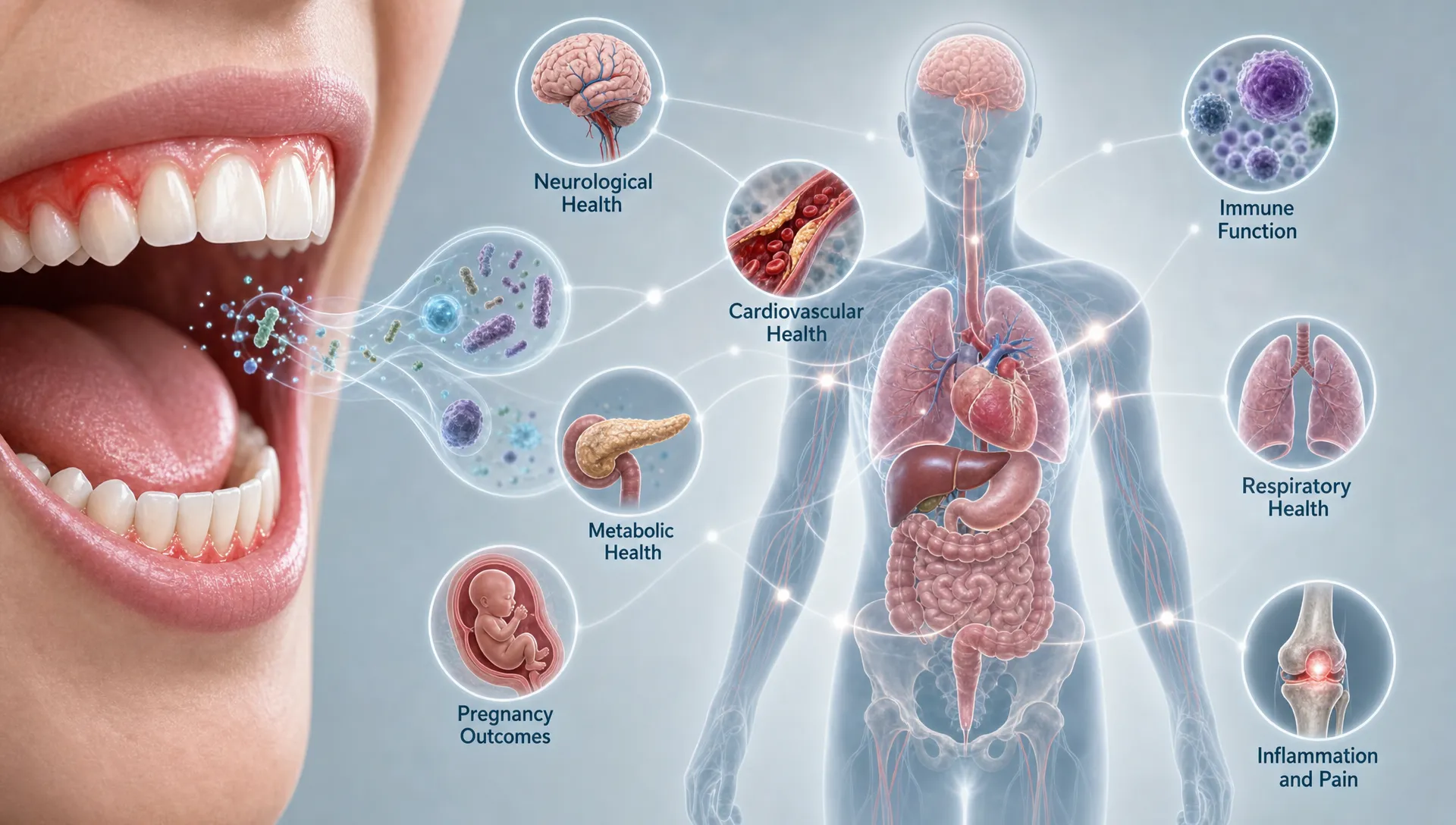
That shift matters because the mouth is not separate from the rest of the body. It is part of the digestive system, immune system, microbiome, airway, and inflammatory network. Teeth and gums can reflect nutrition, stress, blood sugar balance, immune resilience, bacterial burden, and exposure to materials that may not be ideal for every patient.
Complete health dentistry does not ignore teeth. It simply refuses to stop there.
What complete health dentistry really means
Complete health dentistry is a whole-person approach to oral care. Instead of treating a tooth as an isolated mechanical problem, it considers how oral conditions may influence systemic wellness and how systemic health may influence the mouth.
A complete health dental visit may still include familiar steps, such as an exam, imaging, cleanings, restorations, and gum evaluation. The difference is the lens. Your dental team is not only asking, How do we fix this tooth? They are also asking, Why did this happen, what is driving it, and how can we support long-term health?
At Origin Dental Wellness, this philosophy closely aligns with health-centered dentistry, a biological approach that considers prevention, materials, infection, inflammation, and the patient’s overall wellness goals.
In practice, complete health dentistry often involves looking at:
- Gum inflammation and periodontal risk
- Oral bacteria and biofilm balance
- Saliva quality, pH, and mineralization support
- Nutritional factors that affect teeth and bone
- Dental materials and biocompatibility
- Chronic dental infections or failing dental work
- Surgical healing support when procedures are needed
This approach is not about making every dental concern complicated. It is about recognizing that oral health is a meaningful part of health, not a separate category.
The mouth is a biological crossroads
The mouth is one of the most active microbial environments in the body. Hundreds of bacterial species can live there, and in a balanced ecosystem, many of them are harmless or even helpful. Problems arise when the oral environment shifts toward disease-producing biofilm, chronic inflammation, or tissue breakdown.
The National Institute of Dental and Craniofacial Research’s Oral Health in America report emphasizes that oral health is integral to overall health. This is a key point for patients who have been taught to view dental care as cosmetic, optional, or unrelated to medical wellness.
Gum disease is a clear example. Periodontal disease is not simply bleeding gums. It is a chronic inflammatory condition involving bacteria, immune response, connective tissue, and bone. Research has found associations between periodontal disease and systemic conditions such as diabetes and cardiovascular disease. A scientific statement published in Circulation noted an association between periodontal disease and atherosclerotic vascular disease, while also cautioning that association does not prove direct causation or guarantee that periodontal treatment prevents heart events.
That nuance is important. Complete health dentistry should be thoughtful, not alarmist. The goal is not to claim that every health problem begins in the mouth. The goal is to avoid pretending the mouth has no influence at all.
For a deeper look at this oral-systemic connection, Origin Dental Wellness has also explained why the mouth is connected to the rest of the body, especially when periodontal bacteria and inflammation are involved.
Why symptoms are only part of the story
A tooth can look acceptable on the surface and still need closer evaluation. Gums can bleed a little and still represent early inflammatory changes. A patient can have no pain yet still have bacterial imbalance, bone loss, recurrent decay, or a compromised restoration.
This is one reason complete health dentistry values advanced diagnostics. Salivary diagnostics, oral biofilm testing, digital imaging, and careful periodontal charting can help reveal patterns that a quick visual exam may miss. The value is not in testing for its own sake. The value is in identifying risks early enough to make conservative, personalized decisions.
For example, if a patient has repeated cavities, the answer may not be simply more fillings. A complete health dentist may also consider saliva flow, dietary patterns, mouth breathing, mineral availability, bacterial balance, and previous materials. If a patient has persistent gum inflammation, the question may extend beyond brushing technique to include biofilm composition, immune status, blood sugar concerns, and systemic inflammatory load.
This kind of dentistry is especially helpful for patients who feel they have been chasing the same problem for years without understanding the root causes.
How complete health dentistry changes treatment decisions
Looking beyond teeth does not mean rejecting modern dentistry. It means using modern tools with a biological purpose. The goal is to choose treatments that restore function while respecting the body’s healing capacity and minimizing unnecessary burden.
Here is how the complete health lens can change common areas of care:
| Dental concern | Conventional focus | Complete health dentistry focus |
|---|---|---|
| Cavities | Remove decay and place a filling | Also evaluate minerals, saliva, diet, biofilm, and material compatibility |
| Gum disease | Clean below the gums and monitor pockets | Also consider inflammation, bacterial testing, home care, and systemic risk factors |
| Old metal fillings | Replace only if broken or decayed | Also discuss mercury exposure concerns and safe removal protocols when appropriate |
| Root canal-treated teeth | Monitor unless painful | Evaluate for hidden infection, bone changes, and whole-body implications |
| Oral surgery | Remove or replace teeth as needed | Also support healing with options such as PRP, PRF, ozone therapy, and biocompatible materials |
| Cosmetic work | Improve appearance | Balance aesthetics with bite function, gum health, and material selection |
A biological or holistic dental office may also be more selective about what it places in the mouth. Biocompatible materials, safe mercury removal, fluoride-free prevention strategies, ozone therapies, and regenerative tools such as platelet-rich plasma or platelet-rich fibrin can all fit within a complete health model when they are appropriate for the patient.
At Origin Dental Wellness, the office’s approach includes services such as preventative care, restorative dentistry, periodontal care, cosmetic dentistry, oral surgery, safe mercury removal, oral biofilm testing, salivary diagnostics, ozone therapies, PRP and PRF healing support, and dental implants. The unifying idea is not that every patient needs every service. It is that each recommendation should make sense for the individual’s biology, risks, and goals.
Prevention becomes more personal
Complete health dentistry places a high value on prevention, but prevention is not one-size-fits-all. Two patients can brush twice a day and still have completely different risk profiles.
One patient may struggle with dry mouth from medication. Another may have frequent snacking that keeps the mouth acidic. Another may have low vitamin D or poor mineral absorption. Another may have periodontal pathogens that require a more targeted hygiene and maintenance plan.
This is why complete health dentistry often includes conversations about nutrition, hydration, sleep, stress, and daily habits. These are not side topics. They shape the oral environment every day.
A fluoride-free office, for example, may focus more heavily on strengthening the mouth from within and supporting natural remineralization through diet, minerals, and bacterial balance. Origin’s article on vitamins for teeth explores how nutrients such as vitamin D, calcium, vitamin A, and vitamin K2 can support oral health.
The most effective prevention plans are practical. They meet the patient where they are, then help them build habits that reduce inflammation, support enamel, and lower the need for invasive dental work over time.
Materials matter because the mouth is not sealed off
Dental materials sit in a warm, moist, active environment. They are exposed to chewing forces, bacteria, acids, enzymes, and temperature changes. Because the mouth is connected to circulation, digestion, and immune response, complete health dentistry pays attention to what is placed there.
This does not mean every material is harmful or that every patient reacts the same way. It means material selection deserves thought. Some patients seek biological dentistry because they are concerned about mercury amalgam fillings, metal sensitivity, chronic inflammation, or previous dental work that has not felt right for them.
A complete health approach may include careful review of existing restorations, discussion of safer replacement timing, and use of biocompatible materials when restorative care is needed. In the case of mercury amalgam removal, protocols matter because drilling out amalgam without proper safeguards can increase exposure during the procedure.
Patients should feel comfortable asking what materials are being used, why they were chosen, and whether there are alternatives. Good dentistry should not rely on mystery or pressure.
The same is true in any specialized field where trust matters. Whether someone is comparing dental treatment options or evaluating a transparent service provider such as a no-jargon SEO agency, clear explanations help people make better decisions. In healthcare, that clarity is even more important because the stakes are personal.
Complete health dentistry is collaborative, not isolated
A complete health dentist is not a replacement for your physician, functional medicine provider, cardiologist, endocrinologist, or other healthcare professional. Instead, this approach recognizes that oral findings may be one important piece of a larger puzzle.
If gum inflammation is severe and a patient also has diabetes, coordination may be helpful. If healing is poor after surgery, broader nutritional or medical factors may need attention. If a patient has ongoing systemic symptoms and unresolved dental infections, dental evaluation may be worth including in the conversation.
Patients benefit when healthcare providers stop working in silos. The mouth can offer clues, and dental care can reduce burdens that may be affecting the body. But complete health dentistry works best when it is grounded, evidence-aware, and collaborative.
What to expect from a complete health dental visit
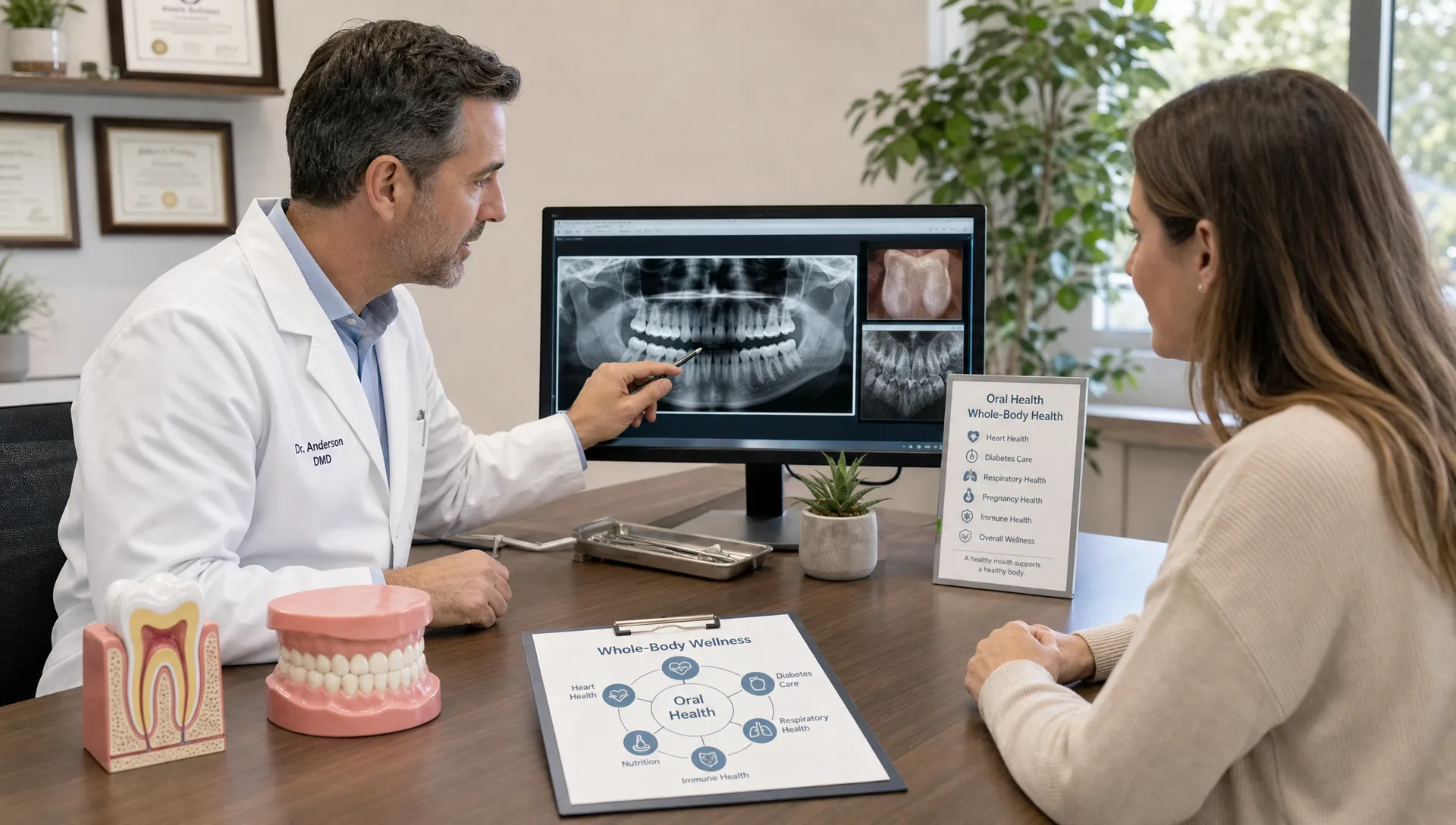
If you are new to this model, the experience may feel more thorough than a standard problem-focused appointment. You may be asked about your medical history, current symptoms, medications, nutrition, previous dental work, lifestyle, and health goals.
Your dental team may evaluate gums, bone levels, bite function, restorations, airway-related clues, oral tissues, saliva, and bacterial risk. Depending on your situation, they may recommend imaging, biofilm testing, salivary diagnostics, or a phased treatment plan.
A strong complete health dental plan should feel clear, prioritized, and realistic. It should explain what is urgent, what can be monitored, what supports prevention, and what options exist. Patients should leave with a better understanding of their mouth and its relationship to whole-body wellness.
Frequently Asked Questions
What is complete health dentistry? Complete health dentistry is an approach that views oral health as part of whole-body health. It considers teeth, gums, bacteria, inflammation, materials, nutrition, and systemic risk factors when planning care.
Is complete health dentistry the same as holistic dentistry? They overlap. Holistic dentistry usually emphasizes the connection between the mouth and body, biocompatible materials, and minimally toxic care. Complete health dentistry adds a strong focus on prevention, diagnostics, and systemic health context.
Does complete health dentistry mean I do not need a medical doctor? No. A complete health dentist supports oral and dental wellness, but they do not replace your physician or medical specialists. The best outcomes often come from collaboration between dental and medical providers.
Why does a holistic dentist care about gum disease? Gum disease is a chronic inflammatory condition involving bacteria, immune response, and bone support. Because inflammation and oral bacteria may affect overall wellness, periodontal health is a major part of complete health dentistry.
Is complete health dentistry only for people with chronic health problems? No. It can be valuable for anyone who wants preventive, personalized dental care. It may be especially helpful for patients with recurring cavities, gum disease, old dental work, material concerns, or unresolved oral inflammation.
A healthier mouth starts with a wider view
Complete health dentistry looks beyond teeth because your mouth is not separate from you. It is a living, active part of your body, shaped by your biology, habits, immune system, nutrition, and environment.
For patients who want dental care that considers more than quick fixes, this approach offers a more connected path. It supports prevention, thoughtful materials, advanced diagnostics, and treatment decisions that honor both oral function and whole-body wellness.
If you are in Tulsa or traveling for biological dental care, Origin Dental Wellness offers a health-centered approach designed to help patients understand what is happening in their mouths and why it matters for the rest of the body.