
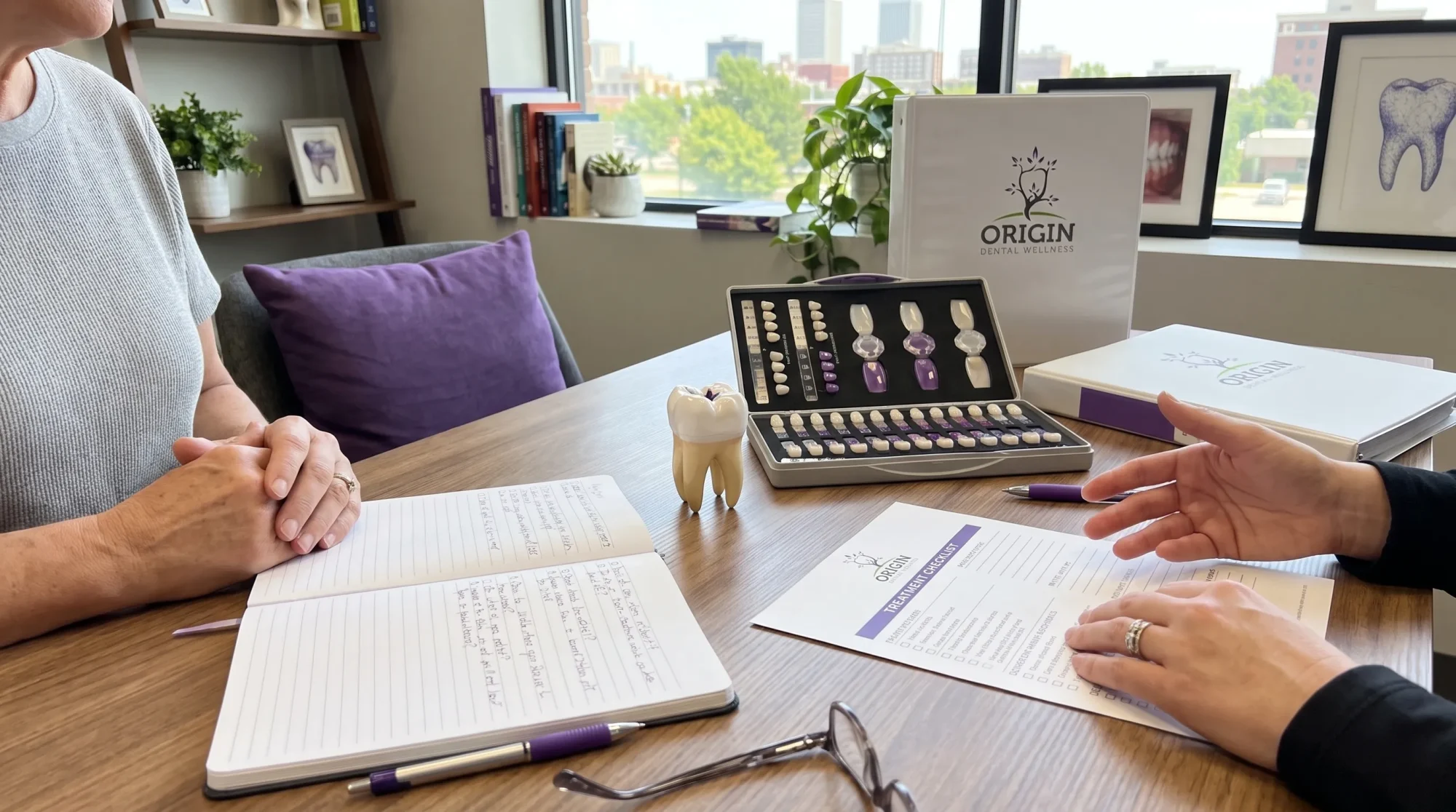
Choosing a biological dentist is not the same as choosing a dental office by location, insurance participation or who can see you fastest. For patients in Tulsa and across Oklahoma who are toxin-sensitive, managing chronic health concerns or simply trying to make lower-toxicity choices, the questions you ask before scheduling matter.
A biological dental practice should be able to explain how oral health connects with whole-body health, how materials are selected, how infection risk is evaluated and how procedures are performed with biocompatibility in mind. At Origin Dental Wellness, Shannon Toler, DDS, BCHN, AIAOMT, FAAOSH, FMRII approaches dental decisions through that lens as both a biological dentist and Board Certified Holistic Nutritionist.
Use the questions below as a practical guide when comparing options. The goal is not to find a dentist who says every trendy holistic phrase. The goal is to understand whether the clinical philosophy, diagnostics and materials match the level of care you are seeking.
1. What does “biological dentistry” mean in your practice?
The term “biological dentist” is not a single standardized specialty recognized in the same way as orthodontics or oral surgery. That makes this question essential. A practice should be able to define what it means by biological care in specific, clinical terms.
Listen for answers that go beyond “natural” or “holistic.” A serious biological practice should be able to discuss:
- The oral-systemic connection
- Dental material compatibility
- Mercury-safe protocols
- Periodontal inflammation and biofilm
- Airway, bite and jaw health
- The patient’s medical history, immune status and sensitivities
- Lower-toxicity decision-making where appropriate
The American Academy for Oral Systemic Health focuses on the relationship between oral health and systemic health, especially inflammation and chronic disease risk. That oral-systemic perspective is central to biological dentistry.
A good follow-up question is: “How does that philosophy change the way you examine and treat patients?” If the answer sounds exactly like conventional dentistry with a few supplement recommendations added, keep asking.
2. How do you evaluate dental materials for compatibility?
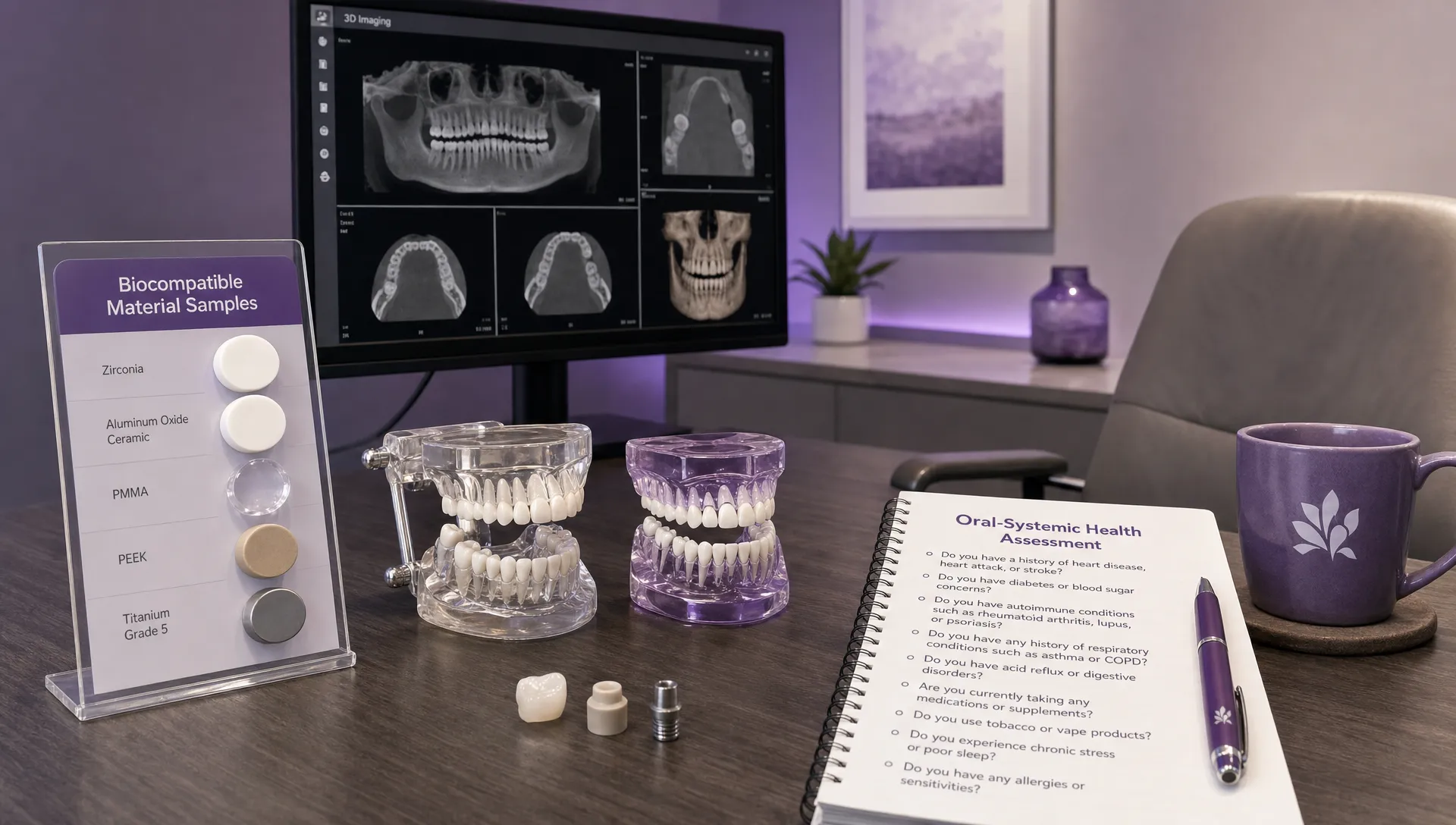
For toxin-sensitive patients, patients with autoimmune concerns or anyone with a history of reactions to dental work, material selection is not a minor detail. A biological dentist should be able to explain how restorations, crowns, bonding agents, implant materials and cements are chosen.
Ask whether the practice considers material compatibility testing, metal exposure, BPA-related concerns, ceramic options and the patient’s history of chemical sensitivities. At Origin Dental Wellness, material choice is part of the broader conversation about the patient’s biology, not just the tooth being restored.
If you want a deeper look at this topic, Origin’s article on how a bio dentist chooses safer materials explains why the same material is not automatically ideal for every person.
Here are useful questions to bring to a consultation:
| Topic | Question to ask | Why it matters |
|---|---|---|
| Fillings and crowns | “What materials do you use, and why?” | Helps you understand whether the office prioritizes durability, appearance and compatibility |
| Sensitivities | “Do you consider material sensitivity or immune reactivity?” | Important for patients with allergies, autoimmune conditions or unexplained reactions |
| Metals | “How do you approach metal restorations or metal implants?” | Clarifies whether the dentist considers galvanic activity, allergies and patient preference |
| Testing | “Do you offer or refer for biocompatibility testing such as MELISA when appropriate?” | Helps patients with complex histories make more individualized choices |
3. What is your approach to mercury amalgam removal?
If you have silver-colored amalgam fillings, ask specifically about mercury-safe removal. Do not assume every office that identifies as holistic uses the same protocol.
The International Academy of Oral Medicine and Toxicology developed the SMART protocol, which stands for Safe Mercury Amalgam Removal Technique. It includes protective measures designed to reduce mercury vapor and particulate exposure during removal.
At Origin Dental Wellness, Dr. Toler’s biological approach includes SMART-protocol mercury removal when amalgam replacement is recommended. This does not mean every amalgam filling should automatically be removed immediately. It means the decision should be made after evaluating the tooth, the restoration, the patient’s health history and the safest way to proceed if removal is appropriate.
Ask these questions directly:
- “Do you follow SMART protocol for amalgam removal?”
- “What protection is used for the patient and team?”
- “How do you decide whether an amalgam should be replaced now or monitored?”
- “What material would you use as the replacement, and how is that chosen?”
A confident biological practice should be comfortable answering these questions without making exaggerated promises or pressuring you into urgent treatment.
4. How do you evaluate infection beyond what is visible in the mouth?
A quick visual exam can miss important information. Biological dentistry often uses a more comprehensive diagnostic process because dental infections, periodontal inflammation and failing restorations can affect more than a single tooth.
Ask whether the practice uses technologies such as cone beam CT when clinically appropriate. Cone beam imaging can help evaluate areas that may not be clear on standard two-dimensional X-rays, including jawbone anatomy, impacted teeth, old extraction sites and some infection patterns. It is not needed for every patient or every visit, but it can be valuable when a more complete picture is required.
Also ask about periodontal evaluation, salivary diagnostics and biofilm assessment. The National Institute of Dental and Craniofacial Research notes that gum disease is driven by bacterial infection and inflammation around the teeth. A biological dentist should care not only whether the gums bleed, but why the tissue is inflamed and how the oral microbiome may be contributing.
For patients traveling from Broken Arrow, Jenks, Bixby, Owasso, Sand Springs or Oklahoma City, this level of evaluation can be one reason to choose a Tulsa biological practice rather than a standard cleaning-focused appointment.
5. What is your philosophy on root canals and tooth preservation?
This is one of the clearest places where practices differ. Conventional dentistry commonly uses root canal therapy to preserve a tooth that has a damaged or infected nerve. Many biological dentists take a more cautious view because root canal-treated teeth can be difficult to fully sterilize and may remain a concern for some medically sensitive patients.
At Origin Dental Wellness, our approach is not to recommend root canal therapy as a default. Dr. Toler evaluates the tooth, surrounding bone, symptoms, imaging, patient health history and available alternatives before discussing options. The goal is to make a decision that respects both oral function and whole-body health.
Ask a potential biological dentist:
- “Do you recommend root canals, or do you generally avoid them?”
- “How do you evaluate whether a tooth is still vital?”
- “What alternatives do you discuss when a tooth cannot be predictably restored?”
- “Do you use ozone, PRP or PRF in surgical or infection-related procedures when appropriate?”
For more context on this philosophy, read Origin’s guide to how biological dentistry approaches root canal alternatives.
6. How comprehensive is the first visit?
A short new patient exam may be enough for someone who wants a routine checkup. It is usually not enough for a patient who wants a whole-body-aware assessment, has multiple existing restorations, suspects hidden infection or has a history of chemical sensitivity.
Ask what is included in the first appointment. Does the dentist review your medical history in detail? Does the practice ask about sleep, nutrition, systemic inflammation, previous dental materials, medications, sensitivities and health goals? Does the exam evaluate gums, airway, bite, jaw joints, restorations, soft tissues and imaging?
Origin Dental Wellness is intentionally different here. The new patient appointment is over $500 and is likely more comprehensive than any other initial dental visit you have experienced. Patients receive extensive insight and customized recommendations for their overall dental health. Depending on findings, Dr. Toler may recommend future treatments, additional procedures or a follow-up visit.
That level of evaluation is not the right fit for someone looking for the cheapest quick exam. It is designed for patients who want detailed, individualized guidance before making decisions.
7. How do you personalize the treatment plan?
Biological care should not be one-size-fits-all. Two patients can have the same cracked filling and need different plans because their health histories, material sensitivities, gum health, bite forces and long-term goals differ.
Ask how the practice prioritizes treatment. A thoughtful plan should distinguish between urgent issues, preventive opportunities and optional cosmetic goals. It should also explain why a certain sequence is recommended.
For example, a patient with active gum inflammation may need biofilm and periodontal support before cosmetic work. A patient with several incompatible restorations may need a staged plan rather than doing everything at once. A patient with dental anxiety may need calming support such as NuCalm or a slower appointment rhythm.
Origin’s article on how a biological dentist builds a personalized treatment plan explains how a whole-health story, diagnostics and patient priorities can shape the sequence of care.
8. What is your approach to fluoride, whitening and cosmetic care?
If you are choosing a biological dentist, ask about preventive and cosmetic recommendations too. A practice’s philosophy should show up in everyday decisions, not only in complex procedures.
At Origin Dental Wellness, care is fluoride-free. That position reflects our biological approach to reducing unnecessary chemical exposure and focusing on mineral balance, nutrition, oral hygiene, saliva quality and biofilm control. Patients should ask any practice how it supports enamel health if it does not rely on routine fluoride.
Cosmetic dentistry deserves the same scrutiny. If you are considering whitening, veneers or smile enhancement, ask how the practice balances esthetics with tooth preservation, material compatibility and gum health. In the broader cosmetic market, practices such as Creative Smiles cosmetic dental specialists may highlight visual transformations, clear treatment categories and payment conversations, but a biological patient should also ask what materials are used and how the plan supports long-term oral-systemic health.
Good cosmetic questions include:
- “How conservative is the preparation?”
- “What materials will be used?”
- “Could this affect my bite or airway?”
- “How do you protect gum health before and after treatment?”
- “Are whitening products selected with sensitivity and lower-toxicity concerns in mind?”
9. How do you support anxious or medically sensitive patients?
Many patients looking for biological dentistry have had difficult dental experiences. Some react strongly to smells, materials, anesthetics or stress. Others are immune-compromised or dealing with chronic inflammation, gut issues or mast cell concerns.
Ask how the practice adapts care for medically sensitive patients. This may include longer conversations, careful material selection, low-toxicity protocols, attention to air quality, ozone therapy where appropriate or relaxation support such as NuCalm. The answer should be specific enough to help you understand what the patient experience will feel like.
You can also ask how the dental team coordinates with other healthcare providers. A biological dentist should not claim to treat systemic disease through dentistry alone. However, oral health can be a meaningful part of a broader wellness plan when there is gum inflammation, dental infection, material concern or airway dysfunction.
10. What should I know about fees, insurance and payment policies?
Financial clarity is part of informed consent. Biological dentistry often involves longer appointments, advanced diagnostics, specialized materials and protocols that may not fit neatly into insurance categories.
Before choosing a practice, ask:
| Financial topic | What to ask |
|---|---|
| New patient visit | “What is the fee, and what is included?” |
| Treatment pricing | “When will I receive procedure-specific costs?” |
| Insurance | “Are you in-network or out-of-network?” |
| Payment timing | “When is payment due?” |
| Third-party credit | “Do you accept CareCredit or another healthcare credit card?” |
At Origin Dental Wellness, all pricing information is available upon request once a treatment is recommended. Payment is due in full on the day of the appointment. Our team files with your insurance company, and reimbursement is made to you at the out-of-network rate, subject to your insurance company’s approval. Origin is out-of-network for all insurance providers.
Origin does not directly offer financing or pay-over-time plans, but CareCredit is accepted. CareCredit is a third-party healthcare credit card accepted by many medical providers. Its terms and promotional offers are managed by CareCredit, not Origin Dental Wellness.
Red flags when choosing a biological dentist
The right practice should welcome thoughtful questions. Be cautious if an office gives vague answers, dismisses your sensitivity concerns or makes broad promises about curing systemic conditions.
Common red flags include:
- Calling the practice holistic without explaining protocols or materials
- Removing amalgam without mercury-safe protection
- Recommending the same treatment sequence for every patient
- Treating root canals, fluoride or metals as topics you are not allowed to question
- Offering cosmetic upgrades before addressing gum inflammation, infection risk or unstable bite issues
- Avoiding clear conversations about fees, insurance status or what is included in the exam
No dental practice can guarantee outcomes. What you can expect from a qualified biological practice is careful evaluation, transparent reasoning and recommendations that consider your whole health picture.
Frequently Asked Questions
Is a biological dentist the same as a holistic dentist? The terms often overlap, but they are not regulated in a single uniform way. Ask what the dentist means by the term, what protocols are used and how the practice evaluates materials, inflammation, infection and whole-body health.
Should I choose a biological dentist if I still want cosmetic dentistry? Yes, if you want cosmetic changes evaluated through a health-centered lens. A biological dentist should consider tooth preservation, gum health, material compatibility, bite function and sensitivity risk before recommending whitening, bonding or veneers.
Do biological dentists remove all mercury fillings? Not automatically. A responsible biological dentist evaluates the condition of the filling, the tooth, symptoms, health history and timing. If removal is recommended, ask whether SMART-protocol protection is used.
Why might a biological dentist avoid root canals? Some biological practices, including Origin Dental Wellness, choose to avoid root canal therapy because of concerns about residual infection risk in root canal-treated teeth. The decision should be individualized through imaging, clinical findings and discussion of alternatives.
Is biological dentistry covered by insurance? Coverage varies by plan and procedure. Origin Dental Wellness is out-of-network for all insurance providers, payment is due in full on the day of service and our team files claims so your insurance company can reimburse you directly when approved.
Ready to ask deeper questions about your dental health?
If you are looking for a biological dentist in Tulsa, Oklahoma, Origin Dental Wellness offers a health-centered approach for patients who want more than a quick exam. Dr. Shannon Toler evaluates dental concerns through the lens of biocompatibility, oral-systemic health, material sensitivity and each patient’s larger wellness story.
Our team serves patients from Tulsa, Broken Arrow, Jenks, Bixby, Owasso, Sand Springs, Oklahoma City and neighboring states. If you want a more comprehensive conversation about your mouth and your overall health, contact Origin Dental Wellness to request an appointment.