
Natural and cosmetic dentistry begins with a simple idea: a beautiful smile should also make biological sense. For patients in Tulsa and the surrounding Oklahoma metro, that means looking beyond color and symmetry to ask deeper questions about inflammation, materials, bite function, saliva, the oral microbiome and whole-body health.
At Origin Dental Wellness, this approach is guided by Shannon Toler, DDS, BCHN, AIAOMT, FAAOSH, FMRII, a Biological Dentist and Board Certified Holistic Nutritionist. Her cosmetic planning is not about creating the brightest or most artificial-looking smile possible. It is about helping the teeth, gums and facial features look healthy in a way that respects each person’s biology.
What Natural and Cosmetic Dentistry Means in a Biological Practice
Conventional cosmetic dentistry often focuses on visible changes: whiter enamel, straighter edges, uniform shapes or replacement of old restorations. Those goals can be valid, but a biological practice asks what is happening underneath the smile before changing what is seen.
Natural and cosmetic dentistry considers whether the gums are inflamed, whether the bite is creating stress, whether existing materials may be a concern for a sensitive patient and whether the mouth is supporting or burdening the rest of the body. The result is a slower, more intentional form of cosmetic care.
This does not mean every patient needs complex treatment. Some people may only need conservative polishing, whitening guidance or replacement of an old visible filling with a more compatible material. Others may need gum therapy, bite evaluation, salivary diagnostics or a restorative plan before cosmetic work makes sense.
The goal is to avoid treating the smile as a surface-level project. Teeth are living structures connected to nerves, circulation, bone, airway patterns, nutrition status and the microbial ecosystem of the mouth. A natural-looking smile is more likely to last when those foundations are respected.
Why a Healthy-Looking Smile Starts With Gum and Microbiome Health
Gums shape the frame of the smile. If they are swollen, bleeding, receding or chronically irritated, even beautiful restorations may not create the healthy look a patient wants. Gum health also matters because the mouth is not separate from the rest of the body.
The National Institute of Dental and Craniofacial Research describes gum disease as an infection of the tissues that hold teeth in place. From a biological perspective, this makes periodontal evaluation a major part of cosmetic planning, not an afterthought.
Origin Dental Wellness approaches this through a whole-body lens. The practice may consider plaque and biofilm patterns, gum measurements, saliva quality, home care products, nutrition and inflammatory risk factors. The American Academy for Oral & Systemic Health also emphasizes the relationship between oral health and systemic health, which is why cosmetic decisions should not ignore chronic inflammation.
For patients trying to live a lower-toxin lifestyle, this foundation may include a fluoride-free prevention plan. If that is one of your priorities, our guide to building a healthy smile in a fluoride-free practice explains how saliva, minerals, nutrition and bacterial balance can support stronger teeth without relying on conventional fluoride routines.
Cosmetic Goals Through a Biological Lens
The most natural-looking cosmetic results usually come from restraint. Teeth should fit the face, age, lip movement, gum line and personality of the patient. A smile that looks healthy on one person can look artificial on another if shade, shape or proportions are pushed too far.
A biological cosmetic plan often asks questions like these before choosing a procedure: Are there active cavities or cracks? Are old fillings irritating the bite? Are the gums stable? Is the patient sensitive to metals, acrylics or other dental materials? Does the patient have a history of autoimmune issues, chemical sensitivity or gut concerns that could influence material selection?
| Cosmetic goal | Biological question to ask first | Possible direction of care |
|---|---|---|
| Whiter teeth | Are stains external, internal or related to enamel changes? | Conservative whitening guidance, stain management or restorative options |
| Replacing dark fillings | Is mercury amalgam present, and does removal require special protection? | SMART-protocol removal when appropriate, followed by compatible restoration |
| More even tooth shape | Is the bite causing wear, chipping or jaw tension? | Bite evaluation before bonding, veneers or reshaping |
| Healthier-looking gums | Is inflammation, recession or biofilm imbalance present? | Periodontal support, microbiome-focused care and home care changes |
| Straighter appearance | Can alignment improve cleanability and reduce inflammation risk? | Clear aligner discussion when appropriate |
| Metal-free appearance | Is the patient reactive to specific materials? | Biocompatibility review, possible material testing and ceramic or composite options |
This is where natural dentistry and cosmetic dentistry become hard to separate. A crown, veneer, bonding material or aligner plan should not be selected only because it looks good on a shade guide. It also has to function in the mouth and be appropriate for that patient’s health history.
Material Choice Matters, Especially for Sensitive Patients
Many patients who seek biological dentistry have a history of chemical sensitivities, metal allergies, autoimmune concerns or unexplained symptoms that make them cautious about dental materials. A cosmetic plan should take those concerns seriously.
At Origin Dental Wellness, Dr. Toler may consider material biocompatibility, metal exposure, hypersensitivity history and testing options such as MELISA when clinically relevant. This does not mean every material is good or bad for everyone. It means the practice does not assume that appearance alone is enough.
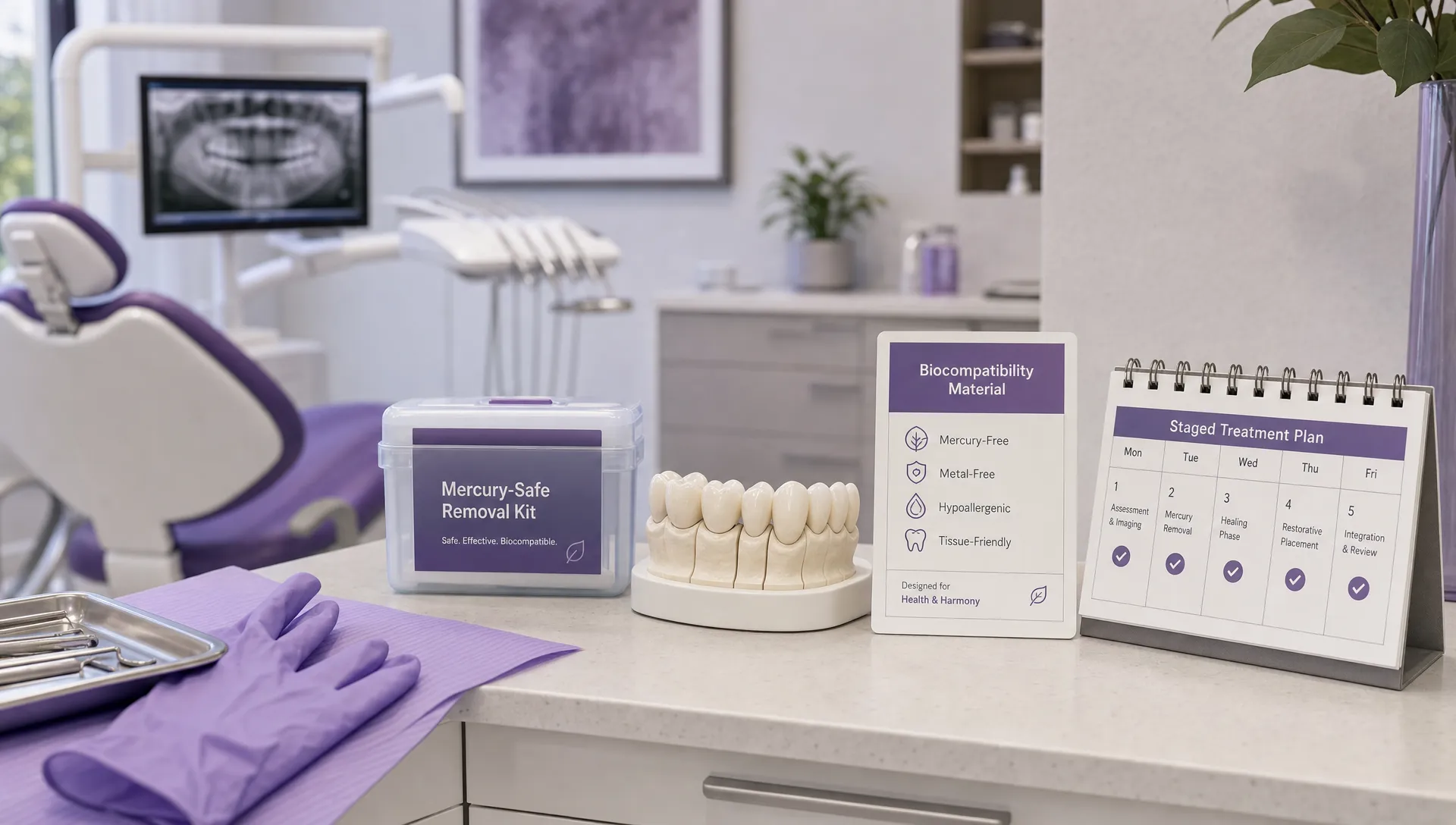
For patients with older silver fillings, cosmetic improvement may involve mercury amalgam removal. Origin Dental Wellness follows a biological safety mindset and, when mercury removal is recommended, uses protective protocols aligned with the IAOMT Safe Mercury Amalgam Removal Technique. Our approach is not to pressure every patient into cosmetic replacement, but to evaluate the situation carefully and discuss the safest path when replacement is appropriate.
This matters because a low-toxicity smile plan is not only about what is removed. It is also about what replaces it. Composite, ceramic and bonding materials can vary in composition, durability and patient tolerance. The best cosmetic choice is the one that balances appearance, strength, cleanability and biological fit.
Natural Results Are Personalized, Not Perfectly Uniform
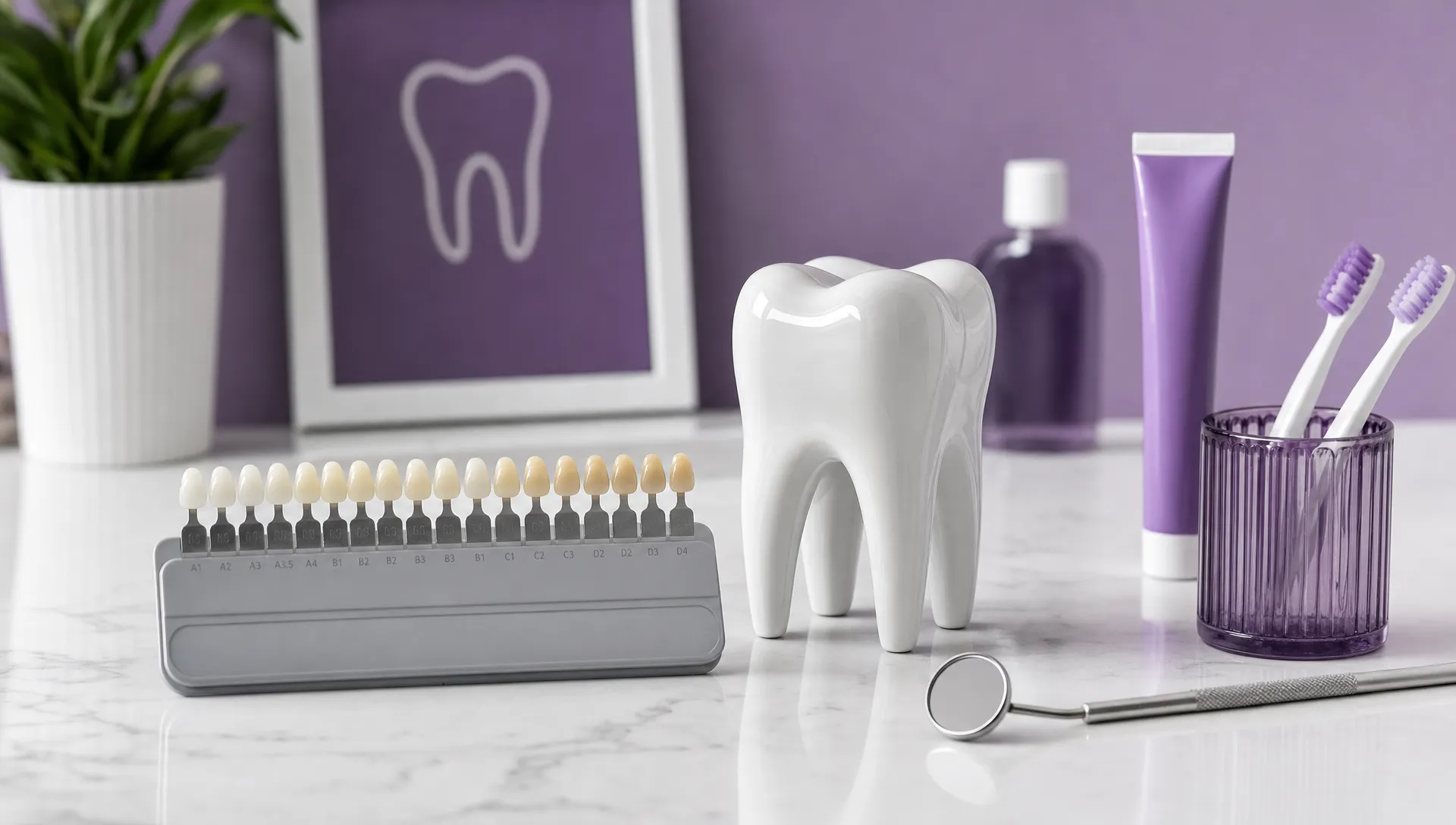
One of the biggest mistakes in cosmetic dentistry is chasing a smile that looks copied from someone else. Natural results depend on proportion, texture, translucency and the way teeth reflect light. Very opaque or overly bright restorations can draw attention for the wrong reasons.
If you are evaluating providers, it helps to know what questions separate thoughtful cosmetic planning from quick surface changes. Our article on choosing a cosmetic dentist for natural results goes deeper into what to look for before committing to treatment.
Natural-looking cosmetic dentistry can be especially valuable for people whose work involves conversation, leadership or public visibility. A Tulsa business owner, teacher, health professional or executive may want a smile that looks refreshed without looking artificial. In a similar way, professionals moving through client-facing or leadership searches with an international recruitment agency may care about presenting themselves with confidence while still looking like themselves.
The same principle applies outside professional settings. Parents, retirees, wellness-focused adults and people who have avoided dentistry because of anxiety often want improvement without losing their natural character. A biological approach honors that preference.
When Cosmetic and General Dentistry Belong Together
A healthy-looking smile often requires both cosmetic and general dentistry. If a tooth is cracked, infected, unstable or surrounded by inflamed gum tissue, cosmetic treatment alone may create short-term improvement while leaving the underlying problem unresolved.
This is especially relevant for patients traveling to Tulsa from Broken Arrow, Jenks, Bixby, Owasso, Sand Springs, Oklahoma City or neighboring states. Many are not looking for a quick polish. They want a comprehensive view of what is happening and why.
A combined plan may include diagnostic imaging, periodontal assessment, salivary or biofilm evaluation, restoration replacement, bite review, alignment discussion and cosmetic finishing. In some cases, Dr. Toler may use cone beam CT when three-dimensional information is needed. Ozone therapy, PRP or PRF may be discussed in specific clinical contexts. NuCalm may also be considered for patients who need a calmer appointment experience.
If you want to understand why cosmetic work should often be coordinated with broader dental care, our article on when cosmetic and general dentistry make sense together explains how function, prevention and aesthetics can support each other.
A Biological Cosmetic Planning Sequence
A thoughtful plan usually follows a sequence rather than jumping straight to treatment. This helps reduce unnecessary dental work and gives the patient a clearer picture of priorities.
- Comprehensive evaluation: The practice looks at teeth, gums, bite, existing restorations, health history, sensitivities and cosmetic goals.
- Inflammation and infection review: Gum health, suspicious areas, failing restorations or deeper concerns are addressed before purely cosmetic changes.
- Material and toxicity considerations: Existing metals, patient sensitivities and replacement materials are discussed with a biocompatible mindset.
- Function before finish: Bite forces, wear patterns, crowding and jaw comfort are considered so cosmetic work is not placed under avoidable stress.
- Conservative cosmetic enhancement: Whitening, bonding, ceramic restorations, polishing or alignment may be considered only after the foundation is understood.
- Maintenance plan: Home care, nutrition, microbiome support and follow-up visits help protect the result.
This sequence is not the same for every patient. Someone with healthy gums and minimal dentistry may have a simple path. A patient with mercury fillings, bite collapse, gum inflammation and material sensitivities will need more careful planning.
What to Ask Before Choosing Natural Cosmetic Treatment
Patients deserve clear conversations before altering the appearance of their teeth. In a biological setting, questions should cover health as well as aesthetics.
Consider asking:
- Will this treatment preserve as much natural tooth structure as possible?
- Are there active gum, bite or infection concerns that should be addressed first?
- What materials would be used, and how are sensitivity concerns handled?
- If mercury fillings are present, what protective removal protocol is used?
- How will the final shade and shape be chosen so the smile looks natural?
- What maintenance will be needed to keep the result healthy?
You should also feel comfortable discussing your broader health history. Chemical sensitivity, autoimmune conditions, gut issues, sleep problems, chronic inflammation and past dental trauma can all influence how a biological practice plans care.
What to Expect at Origin Dental Wellness
Origin Dental Wellness is a single-dentist biological practice in Tulsa led by Dr. Shannon Toler. The new patient appointment is intentionally comprehensive and is over $500. Many patients find it more detailed than previous dental visits because the purpose is not only to check teeth, but to understand oral health in the context of whole-body wellness.
Pricing for recommended treatment is provided after an evaluation and treatment recommendation. Payment is due in full on the day of the appointment. Origin Dental Wellness is out-of-network for all insurance providers, and our team files claims so your insurance company can reimburse you at the out-of-network rate when approved by your plan.
The practice does not directly offer financing or pay-over-time plans, but it does accept the CareCredit credit card. Treatment recommendations are based on what the practice believes is appropriate for your health and dental needs, not on whether insurance is likely to cover a procedure.
Frequently Asked Questions
Is natural and cosmetic dentistry the same as regular cosmetic dentistry? Not exactly. Natural and cosmetic dentistry still cares about appearance, but it also considers gum health, material compatibility, inflammation, bite function, saliva, the oral microbiome and whole-body health factors.
Can cosmetic dentistry be done without fluoride? At Origin Dental Wellness, the practice uses a fluoride-free philosophy. Prevention focuses on saliva quality, nutrition, bacterial balance, home care habits and personalized risk reduction rather than routine fluoride use.
What if I have mercury fillings that show when I smile? If replacement is recommended, Dr. Toler considers both cosmetic goals and safe removal protocols. Mercury filling removal is approached with protective measures rather than as a simple cosmetic swap.
Will my smile look fake after cosmetic treatment? A natural cosmetic approach aims to avoid that. Shade, translucency, tooth shape, gum line, facial features and age-appropriate detail all matter when planning a smile that looks healthy rather than artificial.
Do I need to fix oral health issues before cosmetic work? Often, yes. Gum inflammation, unstable fillings, decay, cracked teeth or bite problems can affect both the safety and longevity of cosmetic treatment. A comprehensive evaluation helps determine the right order.
Start With a Smile Plan That Respects Your Biology
If you want a healthier-looking smile without ignoring your whole-body health, Origin Dental Wellness offers a biological approach to cosmetic planning in Tulsa, Oklahoma. Dr. Shannon Toler and our team help patients from the Tulsa metro, Oklahoma City and neighboring states explore options that consider aesthetics, materials, inflammation and long-term wellness.
To begin, schedule a comprehensive new patient appointment with Origin Dental Wellness and take the first step toward a smile that looks natural, feels intentional and supports your broader health priorities.