
Dental problems rarely begin on the day a tooth hurts. In many cases, the first clues appear quietly: a change in gum bleeding, a shift in oral bacteria, a restoration that irritates sensitive tissue or a hidden infection that does not show up during a quick visual exam.
That is why dental testing matters so much in a biological dental practice. At Origin Dental Wellness in Tulsa, our goal is not just to find cavities. Dr. Shannon Toler, DDS, BCHN, AIAOMT, FAAOSH, FMRII looks at how your teeth, gums, dental materials, oral microbiome and whole-body health may be interacting.
For toxin-sensitive patients, immune-compromised patients, preventive-focused adults and families trying to live as low-toxicity as possible, testing can provide the missing context. It helps answer a better question than “Do I have a cavity?” The better question is, “What oral health risks are developing before they become obvious?”
Why hidden oral health risks are easy to miss
A traditional dental checkup can identify many visible concerns, including cavities, broken teeth and gum recession. The limitation is that some of the most important risk signals are not visible to the eye.
Gum disease is a good example. The National Institute of Dental and Craniofacial Research explains that periodontal disease can progress from early gum inflammation to more serious infection of the tissues supporting the teeth. Early stages may be painless, which means a patient can feel “fine” while inflammation is already active.
From a biological dentistry perspective, this matters because the mouth is not separate from the rest of the body. Oral bacteria, inflammatory burden, airway patterns, dental materials and jawbone health may all influence how a person feels overall. The American Academy for Oral and Systemic Health has helped bring more attention to the connection between oral health and systemic wellness, which is one reason Dr. Toler evaluates more than teeth alone.
Hidden oral health risks may include:
- High-risk bacterial patterns in saliva or plaque biofilm
- Gum inflammation that is not yet painful
- Cracks, failing restorations or leakage around old dental work
- Metal sensitivity or dental material reactivity
- Previously treated teeth that warrant deeper evaluation
- Bone changes or infection patterns that require 3D imaging
- Dry mouth, acidic saliva or nutritional patterns that raise cavity risk
Testing does not replace clinical judgment. It gives Dr. Toler and our team more information so recommendations can be more individualized.
What makes dental testing “biological”?
Biological dental testing is not simply about using more technology. It is about asking different questions.
Instead of treating plaque as a generic buildup, we look at biofilm behavior. Instead of choosing restorative materials only by strength or appearance, we consider biocompatibility. Instead of viewing bleeding gums as a local nuisance, we consider what inflammation may signal about the oral environment and the patient’s broader wellness picture.
This approach is especially relevant for patients in Tulsa and the surrounding metro, including Broken Arrow, Jenks, Bixby, Owasso and Sand Springs, who are looking for dentistry that aligns with a more health-centered lifestyle.
| Standard dental question | Biological dental question |
|---|---|
| Is there a cavity? | Why is this tooth breaking down and what risk factors are active? |
| Are the gums bleeding? | What is driving inflammation, bacteria, biofilm or immune response? |
| Can this material repair the tooth? | Is this material appropriate for this patient’s biology and sensitivity profile? |
| Does the X-ray look normal? | Is additional imaging needed to evaluate hidden infection, bone or root structure? |
| Is the filling intact? | Is the restoration compatible, sealed well and supporting long-term wellness? |
That broader lens is what makes testing valuable for patients who have complex health histories, chemical sensitivities, autoimmune concerns, gut issues or unresolved oral symptoms.
Key dental testing options that can reveal hidden risks
Not every patient needs every test. Biological dentistry is most useful when the testing plan is matched to the patient’s history, symptoms, risk level and goals. At Origin Dental Wellness, Dr. Toler may recommend specific evaluations based on what is clinically appropriate.
Salivary diagnostics
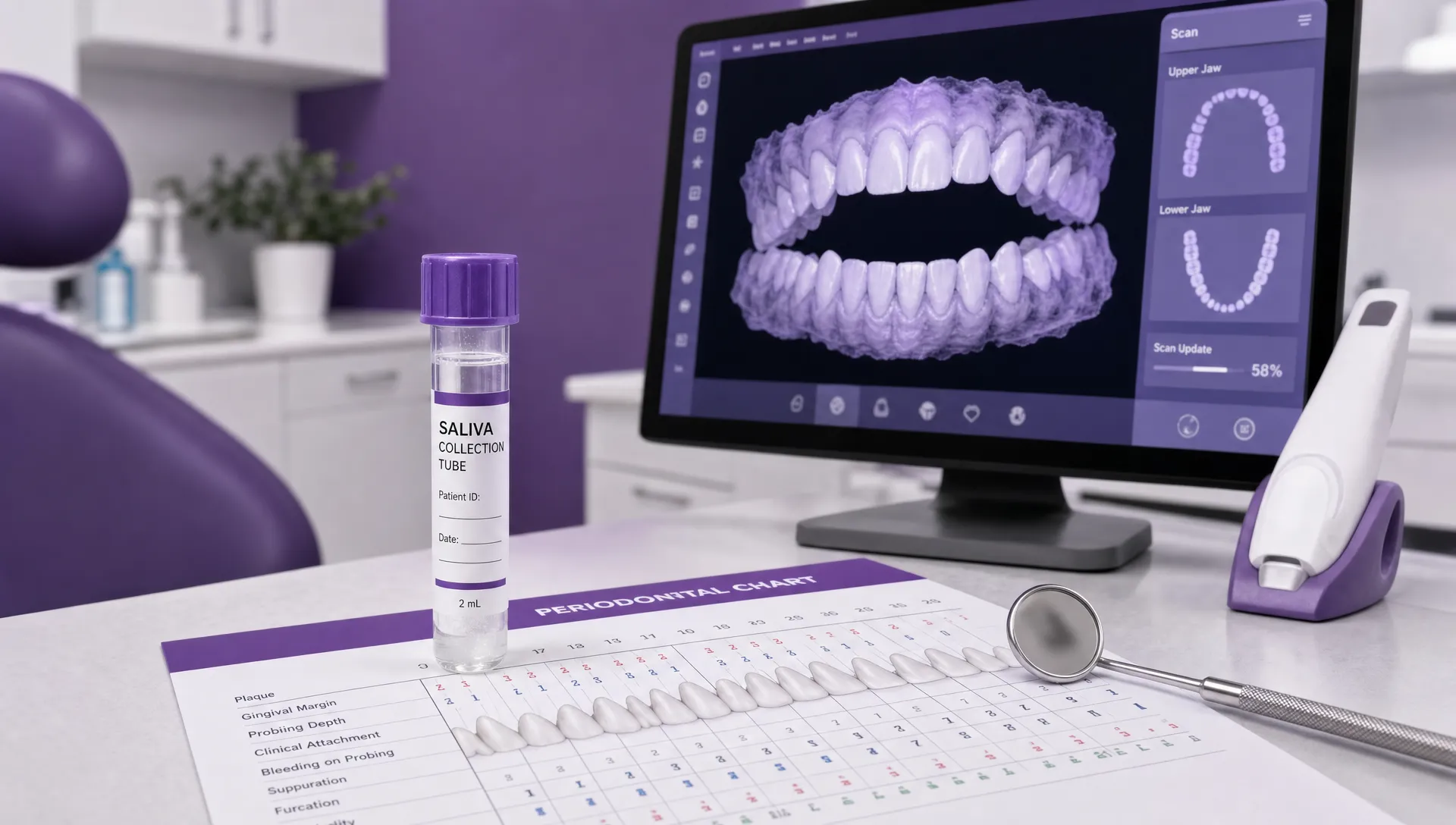
Saliva carries a surprising amount of information. Salivary diagnostics can help identify bacterial patterns associated with gum inflammation, cavity risk and biofilm imbalance. This can be helpful when a patient has bleeding gums, recurring decay, bad breath, inflammation around implants or a history of periodontal concerns.
Unlike a visual exam alone, saliva testing can show what types of organisms may be present and whether the oral microbiome appears balanced or disrupted. This does not mean a lab result automatically dictates treatment, but it can help guide a more precise plan.
If you want a deeper look at this topic, our article on how salivary diagnostics reveal your oral bacteria profile explains what this type of testing can show.
Microscopic plaque and biofilm evaluation
Plaque is not just “stuff on teeth.” It is a living biofilm, and its behavior matters. Under a microscope, plaque can reveal movement, bacterial shapes and signs that the oral environment may be more inflammatory than it appears at the surface.
This kind of chairside evaluation can be especially useful for patients who are motivated by prevention. Seeing biofilm activity can make oral hygiene feel less abstract. It also helps explain why two people can brush with similar diligence but have very different gum or cavity outcomes.
Origin Dental Wellness has written more about this in I Spy with My Microscopic Eye, which describes how microscopic plaque analysis can help patients understand their oral terrain.
Periodontal charting and bleeding assessment
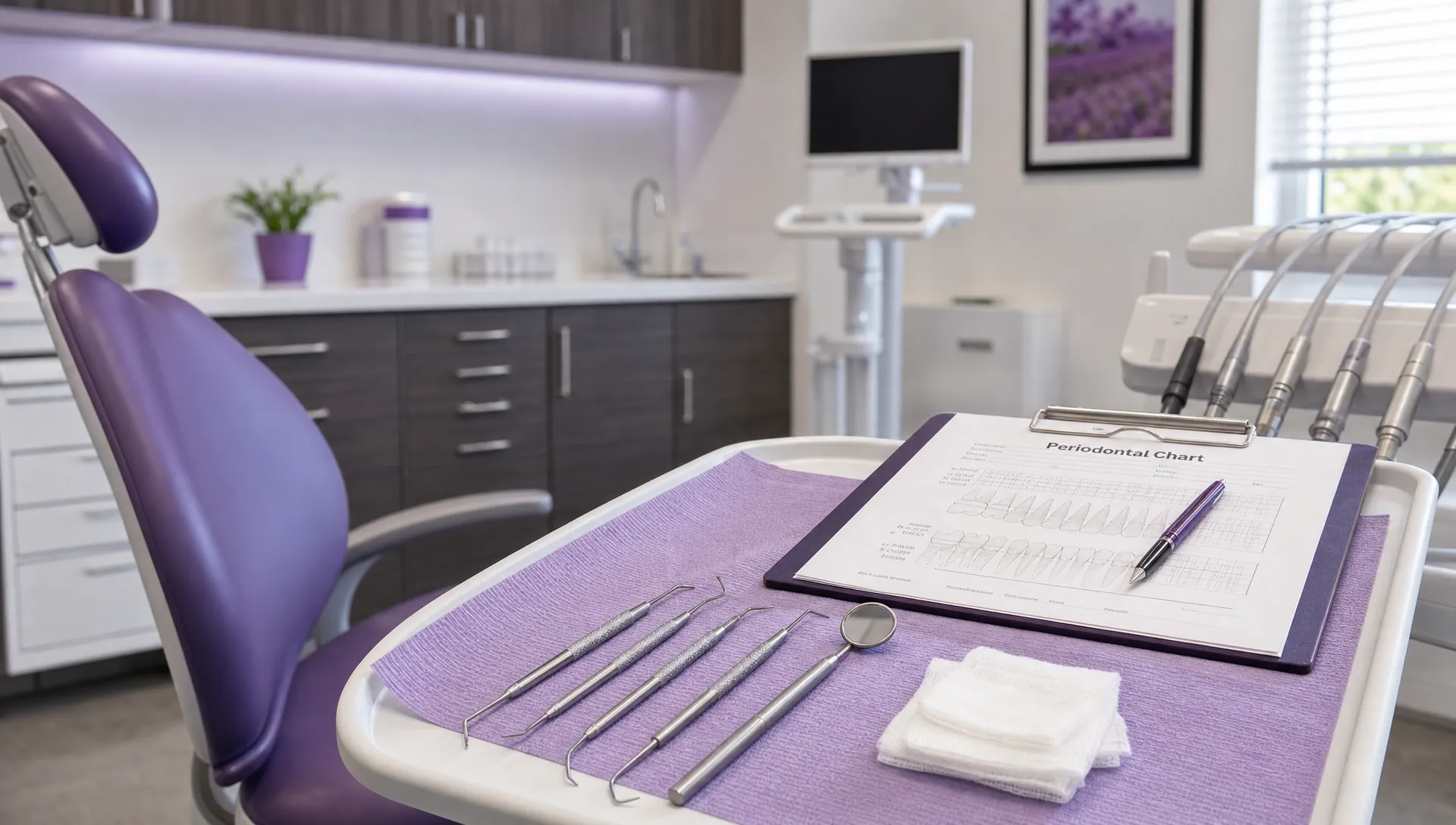
Periodontal charting measures the space between the tooth and gum tissue. These measurements help identify pockets that may harbor bacteria and inflammation. Bleeding during probing can also provide an important signal, since healthy gum tissue should not bleed easily.
In a biological dental setting, these measurements are not treated as isolated numbers. They are interpreted alongside bacterial testing, medical history, nutrition, home care habits, dry mouth, systemic inflammation and other risk factors.
For example, a patient with mild gum pocketing but significant bleeding may need a different strategy than a patient with deeper pockets and minimal inflammation. Testing helps personalize that distinction.
Cone beam CT imaging
Cone beam CT, often called CBCT, is a 3D imaging tool that can provide a more detailed view of teeth, bone, jaw structure and certain hidden areas than traditional 2D dental X-rays. It may be recommended when Dr. Toler needs additional information about a tooth, previous dental treatment, suspected infection, implant planning or jawbone concerns.
This is particularly relevant for patients with a history of root canals, extractions, chronic jaw discomfort or unexplained symptoms. Origin Dental Wellness does not take the conventional default position that root canal therapy is the preferred solution. Our biological approach is to evaluate the tooth, surrounding bone and patient’s overall health context before discussing options.
CBCT does not diagnose every problem by itself, and it is not necessary for every visit. Its value is in seeing anatomy that might otherwise remain hidden.
Dental material compatibility and hypersensitivity testing
For toxin-sensitive patients, material selection can be just as important as the procedure itself. Some patients react poorly to certain metals, resins or other dental materials. Others have a history of unexplained inflammation, autoimmune challenges, rashes, oral burning, chronic fatigue or chemical sensitivity that makes compatibility worth discussing.
Biocompatibility testing, including options such as MELISA testing when appropriate, may help identify materials that are more or less suitable for a particular patient. This is not a guarantee that a person will never react, but it can reduce guesswork when planning restorative work.
A useful comparison comes from outside dentistry: people who care about what touches their body often investigate the materials, sourcing and production practices behind clothing, and companies such as Arcus Apparel Group show how much attention can go into material and manufacturing decisions. Biological dentistry applies a similar concern to dental materials because fillings, crowns and implants live inside the body for years.
At Origin Dental Wellness, material selection is never just cosmetic. Strength, function, esthetics and compatibility all matter.
Evaluation of existing metal restorations
Patients concerned about mercury exposure often ask whether old amalgam fillings should be removed. Our answer begins with evaluation, not assumptions. Dr. Toler considers the condition of the restoration, tooth structure, patient sensitivity, symptoms, oral environment and overall treatment priorities.
When mercury amalgam removal is recommended, Origin Dental Wellness follows a safety-centered biological approach. Dr. Toler is trained in IAOMT principles, and the IAOMT Safe Mercury Amalgam Removal Technique provides a framework for reducing exposure during removal.
This is especially important for patients who are pregnant, planning pregnancy, chemically sensitive or immune-compromised. Not every metal filling needs to be removed immediately, but if replacement is clinically appropriate, the process should be done thoughtfully.
Bite, airway and structural screening
Hidden oral health risks are not always bacterial or material-related. Bite forces, clenching, grinding, mouth breathing and airway patterns can also influence the teeth and gums.
A patient may have recurring cracked teeth because of bite stress. Another may struggle with dry mouth because of nighttime mouth breathing. Someone else may show gum recession linked to a combination of brushing force, tissue thickness and occlusal stress.
Biological dentistry looks for these patterns because they can change the long-term success of dental work. A beautiful restoration placed into an unstable bite may not last as expected. A cavity-prevention plan that ignores dry mouth may miss a major driver of risk.
Nutritional and saliva risk clues
Because Dr. Toler is also a Board Certified Holistic Nutritionist, nutritional context is part of the conversation when relevant. This does not mean every dental visit becomes a nutrition appointment. It means that oral findings are interpreted with awareness of diet patterns, mineral status, blood sugar patterns, hydration, digestive concerns and inflammation.
Saliva quality is a good example. Thick, acidic or reduced saliva can raise risk for decay and gum irritation. Dry mouth may be related to medications, mouth breathing, dehydration, autoimmune issues or other medical factors. Testing and discussion can help identify what deserves further attention.
How testing changes the dental conversation
The biggest benefit of dental testing is not the test result itself. It is the ability to make better decisions.
A patient with bleeding gums may assume they simply need to brush harder. Testing may show that aggressive brushing is not the issue. The real concern may be pathogenic bacteria, inadequate interdental cleaning, dry mouth or inflammation around old restorations.
A patient with multiple failed fillings may think they have “bad teeth.” A more complete evaluation may reveal acidic saliva, clenching, a disrupted oral microbiome or material-related irritation.
A patient with a history of root canal treatment may not have pain, yet CBCT imaging may be recommended if symptoms, clinical findings or health history suggest the need for a closer look. In that situation, the goal is not fear. The goal is clarity.
For patients who want to understand the broader prevention picture, our guide to dental health services that help prevent hidden issues explores how comprehensive evaluation supports long-term wellness.
Which hidden risks can dental testing help flag?
The table below gives a practical overview. These tests do not replace an exam, and they do not diagnose systemic disease. They can, however, provide useful information for dental decision-making.
| Dental testing method | What it may help identify | Why it matters biologically |
|---|---|---|
| Salivary diagnostics | Bacterial patterns, inflammation risk, cavity risk clues | Helps personalize periodontal and prevention strategies |
| Microscopic plaque analysis | Biofilm activity and microbial imbalance | Makes the oral microbiome visible and easier to monitor |
| Periodontal charting | Gum pocketing, bleeding, tissue changes | Tracks inflammation and structural support around teeth |
| Cone beam CT | Hidden anatomy, bone changes, suspicious areas | Supports deeper evaluation when 2D imaging is not enough |
| Material compatibility testing | Potential sensitivity to dental materials | Helps guide low-toxicity restorative planning |
| Mercury filling evaluation | Condition and replacement considerations for amalgam | Supports safer decision-making if removal is recommended |
| Bite and airway screening | Clenching, dry mouth, wear patterns, structural stress | Helps protect restorations and reduce recurring damage |
Who should consider more comprehensive dental testing?
Comprehensive testing can be valuable for anyone who wants prevention, but it is especially relevant for patients with more complex concerns.
You may want to ask about biological dental testing if you:
- Have bleeding gums, bad breath or a history of periodontal disease
- Have recurring cavities despite regular brushing and dental visits
- Are concerned about mercury fillings, fluoride exposure or metal sensitivity
- Have autoimmune issues, gut problems, chronic inflammation or chemical sensitivity
- Have old root canals, unexplained dental pain or a history of failed dental work
- Want dental materials chosen with biocompatibility in mind
- Prefer a low-toxicity, prevention-focused approach to oral care
Families also benefit from this approach because risk patterns often appear before pain. A health-curious parent may want to understand a child’s cavity risk, airway clues or home-care challenges before more invasive treatment is needed.
What to expect at Origin Dental Wellness
A comprehensive new patient visit at Origin Dental Wellness is designed to be more in-depth than a routine dental checkup. Our new patient appointment is over $500 and is likely more comprehensive than any other initial dental visit you have experienced. You receive extensive insight and customized recommendations for your overall dental health.
If testing indicates that additional procedures or therapies may be helpful, Dr. Toler will explain the reasoning and options. Pricing is available upon request once a treatment is recommended. Origin Dental Wellness is out-of-network for all insurance providers. Patients pay in full on the day of the appointment, then our team files with the insurance company so reimbursement can be considered at the out-of-network rate, subject to the insurer’s approval.
We do not directly offer financing or pay-over-time plans, though we do accept the CareCredit credit card. Most importantly, treatment recommendations are based on clinical need and biological principles, not on the likelihood of insurance coverage.
For patients traveling from Oklahoma City or neighboring states, the goal is to make the visit meaningful by gathering a detailed picture of oral health risks, priorities and next steps.
Frequently Asked Questions
Is dental testing only for people with symptoms? No. Many hidden oral health risks begin before pain appears. Testing can be useful for prevention, especially if you have bleeding gums, old restorations, sensitivity, a history of dental infections or systemic health concerns.
Does salivary testing diagnose disease? Salivary diagnostics can identify bacterial patterns and risk markers that help guide dental care, but they do not replace a dental exam or medical diagnosis. Dr. Toler interprets results alongside your history, exam findings and goals.
Can dental material testing prevent all reactions? No test can guarantee that a patient will never react to a material. Compatibility and hypersensitivity testing can reduce guesswork and help guide material selection, especially for sensitive patients.
Do I need cone beam CT at every visit? No. CBCT imaging is recommended when clinically appropriate, such as when a deeper 3D view may help evaluate bone, tooth roots, previous treatment or suspicious areas.
Does Origin Dental Wellness recommend root canals? Our biological approach does not use root canal therapy as the preferred default. If a tooth is nonvital, infected or previously treated, Dr. Toler evaluates the situation carefully and discusses options in the context of your overall health.
Is this approach appropriate for families? Yes. Many families choose biological dentistry because they want prevention, low-toxicity materials and a better understanding of the oral-systemic connection for adults and children.
A more complete way to understand your oral health
Hidden oral health risks are easier to address when you know what you are looking for. Dental testing can help reveal bacterial imbalance, gum inflammation, material concerns, structural stress and deeper issues that may not be obvious during a quick exam.
If you are in Tulsa, the surrounding metro or traveling from elsewhere in Oklahoma for a more biological approach, Origin Dental Wellness can help you understand what your mouth may be telling you about your overall wellness.
To schedule a comprehensive visit with Dr. Shannon Toler and learn which testing options may be appropriate for you, contact Origin Dental Wellness today.