
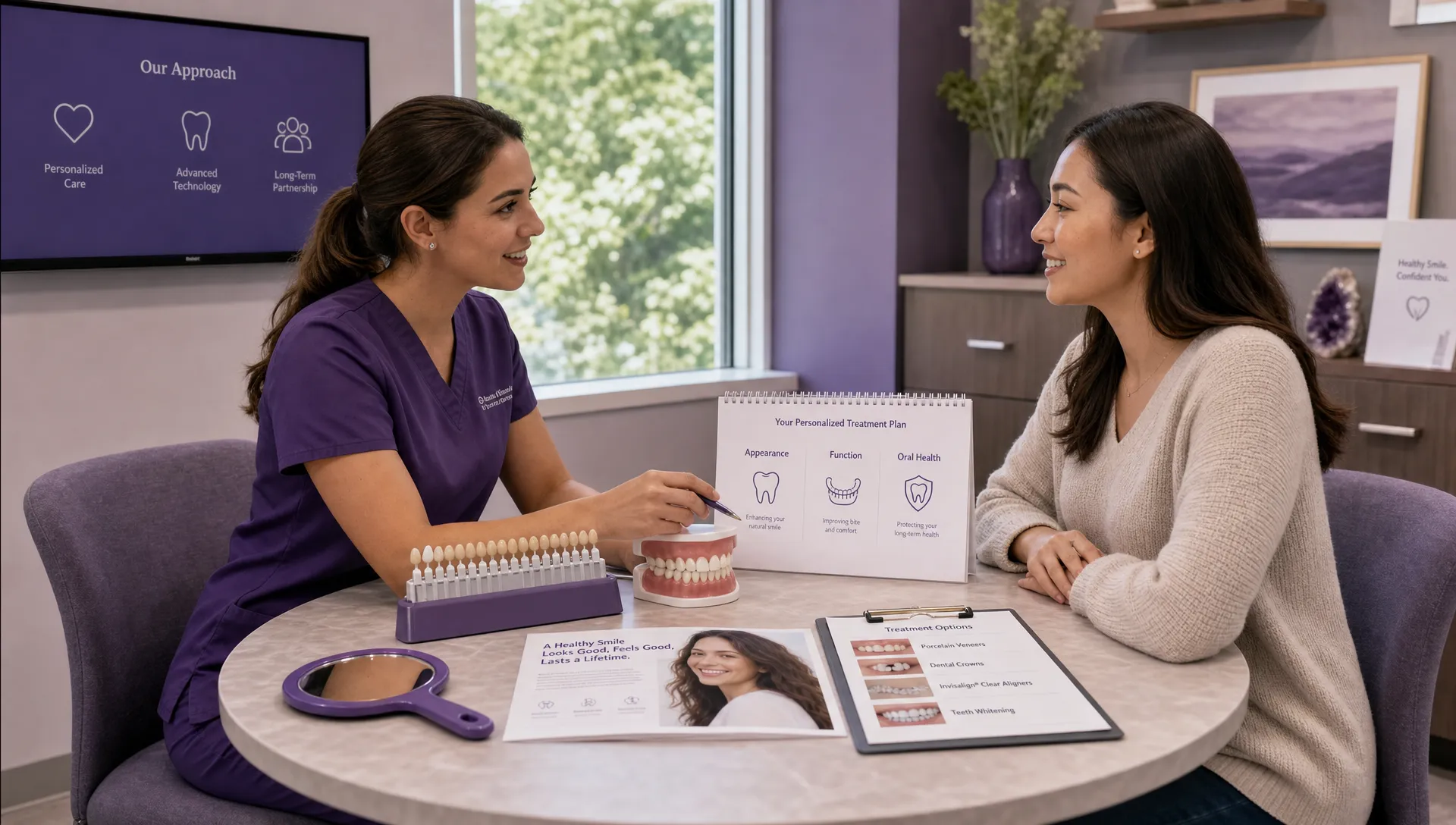
Most people think of cosmetic dentistry as the part that makes a smile look better, while general dentistry is the part that keeps teeth clean, repaired, and pain-free. In real life, those categories are closely connected. A brighter smile is more likely to last when the teeth, gums, bite, and materials underneath it are healthy. And a necessary repair can often be planned in a way that also improves confidence when you smile.
That is when cosmetic and general dentistry make the most sense together: when appearance, function, and whole-body health are treated as one plan instead of separate projects.
For health-conscious patients, this matters. A cosmetic change that ignores inflammation, old failing dental work, bite stress, or material sensitivity may look good for a short time but create frustration later. A general dental plan that fixes problems without considering the visible result can also leave patients wishing they had asked more questions up front.
A healthier definition of a beautiful smile
A beautiful smile is not only about shade, symmetry, or straight edges. It is also about tissues that are calm, restorations that fit well, a bite that does not overload teeth, and materials that work well with your body.
That is the philosophy behind biological and holistic dentistry. At Origin Dental Wellness in Tulsa, care is led by Shannon Toler, DDS, BCHN, AIAOMT, FAAOSH, FMRII, a Biological Dentist and Board Certified Holistic Nutritionist, supported by a continually trained clinical team. The goal is not to separate the mouth from the rest of the body, but to understand how oral health, inflammation, infection, nutrition, and material choices can influence long-term wellness.
If you are new to this perspective, Origin Dental Wellness explains it in more depth in its guide to health-centered dentistry. The key idea is simple: dentistry should help teeth look good, function well, and support the person attached to the smile.
Where cosmetic and general dentistry naturally overlap
General dentistry usually includes preventive visits, exams, periodontal care, decay treatment, restorations, and care for damaged or missing teeth. Cosmetic dentistry focuses on how the smile looks, including color, shape, spacing, proportion, and overall harmony.
The overlap is where many of the most important decisions happen. For example, whitening may be cosmetic, but sensitivity, enamel health, gum recession, and existing restorations are general dental concerns. Replacing an old filling may be restorative, but if it is on a front tooth, shade and contour are cosmetic concerns. Treating gum inflammation is general care, but healthier gums also make the smile look cleaner and more balanced.
In other words, the best plan often starts with health and ends with aesthetics, not the other way around.
Whitening when teeth and gums are stable
Whitening is most predictable when the mouth is healthy. If gums are inflamed, teeth are sensitive, or there is untreated decay, whitening can be uncomfortable or less effective. Existing crowns, fillings, and bonding also do not whiten the same way natural enamel does, so planning matters before you start.
A combined approach may begin with an exam, hygiene care, and a conversation about sensitivity before choosing a whitening strategy. That way, the final shade can be planned around the teeth you have now and any restorations you may need later.
Replacing old restorations in visible areas
Old fillings or crowns can affect both health and appearance. Margins may stain, wear down, leak, or trap plaque. In visible areas, they may also make the smile look uneven or aged.
When general and cosmetic goals are combined, the question becomes more complete: Does the restoration need replacement, what material is most appropriate, how should it be shaped, and how will it blend with the rest of the smile? For patients concerned about metals or material sensitivities, biocompatibility is part of that conversation.
Chips, cracks, and worn edges
A chipped tooth can seem like a small cosmetic flaw, but it may point to a bigger functional issue. Clenching, grinding, bite imbalance, acid exposure, or weakened enamel can all contribute to worn edges and fractures.
If the chip is simply covered without asking why it happened, the same problem may return. A more complete plan looks at the tooth, the bite, the opposing teeth, and the daily forces placed on the restoration.
Gum health before smile enhancement
Healthy gums frame the teeth. Redness, swelling, bleeding, recession, and pocketing can all change how a smile looks. They can also affect how long restorations last.
The National Institute of Dental and Craniofacial Research explains that gum disease begins with plaque and inflammation and can progress to affect the tissues and bone that support the teeth. That is why periodontal health should be addressed before elective cosmetic changes whenever possible.
Missing teeth and smile balance
A missing tooth affects more than the gap you see. It can change chewing patterns, allow neighboring teeth to shift, influence bone health, and alter the balance of the smile. Cosmetic planning may focus on replacing the visible tooth, while general and biological planning looks at the foundation, tissues, materials, and healing environment.
For patients considering implants, the discussion should include more than the final crown. Origin Dental Wellness covers this broader view in its article on dental implants and whole-body health.
The biological layer: beauty should be compatible with the body
A traditional cosmetic plan might focus heavily on the final visual result. A biological plan asks additional questions: Is there hidden infection? Are the gums inflamed? Are the materials appropriate for this patient? Is the mouth microbiome balanced? Is the body in a good position to heal?
At Origin Dental Wellness, those questions may involve advanced diagnostics, oral biofilm and salivary testing, non-toxic and metal-free material choices, hypersensitivity testing when appropriate, ozone therapies, PRP or PRF for healing support, and SMART protocols for safer mercury removal when mercury amalgam is being addressed.
This does not mean every patient needs every service. It means cosmetic goals are not treated as isolated surface changes. They are considered within the bigger picture of oral and systemic wellness.
Of course, dental care is only one part of that bigger picture. Nutrition, movement, sleep, and stress support also shape health over time, and patients who like learning about broader wellness habits may appreciate curated reliable fitness and wellness resources alongside their oral health education.
What an integrated plan can look like
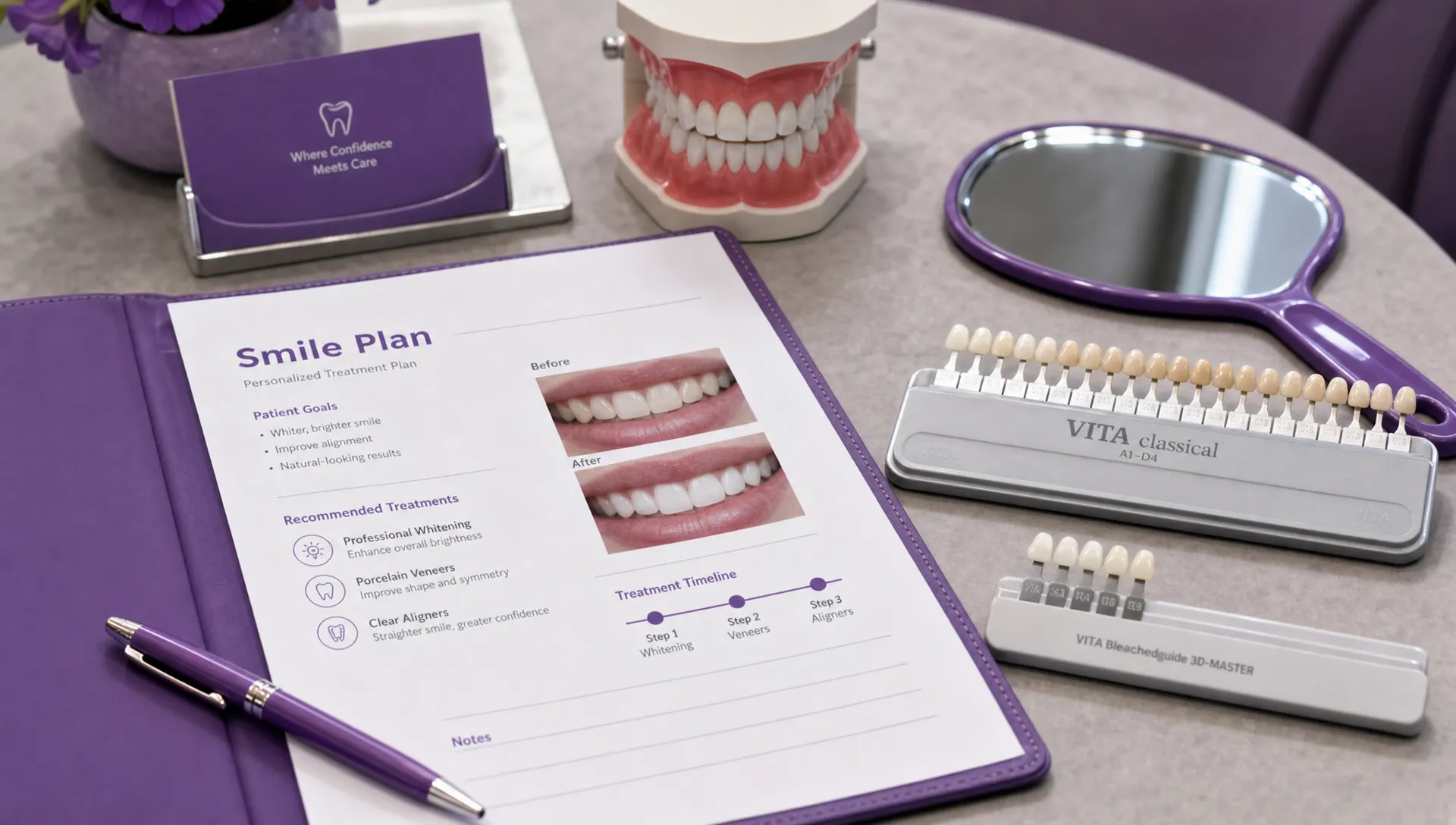
When cosmetic and general dentistry are planned together, the process should feel organized rather than rushed. The goal is to understand the current condition of the mouth, identify what must be stabilized first, and then choose cosmetic improvements that fit the patient’s health priorities.
A thoughtful plan may consider:
- Your medical and dental history, including sensitivities, immune concerns, and previous dental experiences.
- The condition of teeth, gums, bone, old restorations, and bite forces.
- Whether inflammation, decay, infection, or oral biofilm concerns should be addressed first.
- Which materials are most compatible with your health needs and cosmetic goals.
- How to sequence care so that the final result is stable, natural-looking, and easier to maintain.
- How your preferences, budget, timing, and comfort level shape the plan.
This is where advanced diagnostics can make a meaningful difference. Imaging, microbiome-aware testing, and careful examination can help uncover issues that are not obvious from appearance alone. If you want to understand how these tools support diagnosis and healing, see Origin Dental Wellness’s article on advanced care dentistry.
| Smile concern | General or biological question to ask | Why it matters |
|---|---|---|
| Yellow or dull teeth | Are teeth, gums, and enamel healthy enough for whitening? | Whitening is more comfortable and predictable when the mouth is stable. |
| Chipped or worn edges | Is there grinding, bite stress, or weakened enamel? | Repairing the chip without addressing the cause can lead to repeat damage. |
| Old visible fillings | Are margins failing, stained, or trapping plaque? | Replacement can improve health and appearance at the same time. |
| Uneven gumline | Is inflammation, recession, or periodontal disease present? | Gum health affects both smile design and long-term tooth support. |
| Missing tooth | Is the bone, bite, and healing environment ready for replacement? | A beautiful replacement also needs a strong biological foundation. |
Why a cosmetic-first approach can backfire
Cosmetic-first dentistry can be tempting, especially when a patient has a specific concern like discoloration, gaps, or worn edges. But if the plan skips diagnosis, the results may not last.
Inflamed gums can shrink or change shape after treatment, altering the look of veneers, bonding, or crowns. Decay under an old restoration can worsen if it is covered instead of treated. Heavy bite forces can fracture new cosmetic work. A material that looks attractive may not be the best choice for a patient with sensitivities or a strong preference for biocompatible options.
This is not a reason to avoid cosmetic treatment. It is a reason to plan it with the same seriousness as any other healthcare decision. A smile enhancement should not simply cover problems. Ideally, it should be part of resolving them.
Examples of when combined care makes sense
A patient may come in wanting whiter teeth before an event. During the exam, the dental team finds gum inflammation and several old restorations that will not change color with whitening. In that case, the best cosmetic result may begin with gum care, hygiene, and a plan for matching any visible restorations after whitening.
Another patient may want to fix a chipped front tooth. If the tooth chipped because of nighttime grinding, simply bonding the edge may not be enough. The plan may need to consider bite forces, enamel condition, and protective strategies so the repair lasts.
A third patient may dislike the look of a dark metal filling when they laugh. If the filling is mercury amalgam, removal should be approached with safety in mind, not just appearance. For a biological practice, protocols, isolation, air filtration, and material selection are part of protecting the patient while improving the smile.
These examples show why cosmetic and general dentistry often belong in the same conversation. The visible issue is real, but it may not be the whole story.
How to know if you should ask about both
You may benefit from an integrated cosmetic and general dental plan if you have a smile goal and any sign that your oral health may need attention first.
Common reasons to bring up both include:
- You want whitening but also have sensitivity, gum recession, or old fillings.
- You have chipped, cracked, or worn teeth.
- Your gums bleed, feel tender, or look uneven.
- You are replacing older dental work in a visible area.
- You are missing a tooth and want a natural-looking replacement.
- You are concerned about metals, fluoride exposure, or material compatibility.
- You want your smile to look better but do not want to compromise whole-body health priorities.
The most important step is to be clear about your goals. Tell your dentist what bothers you cosmetically, what symptoms you have noticed, and what health concerns matter to you. A good plan should make space for all of those details.
What to ask during your consultation
If you are considering cosmetic care, ask questions that connect appearance to function and health. For example, you can ask whether your gums are stable enough for the treatment, whether your bite may affect the result, how long the restoration is expected to last, and what material options are available.
You can also ask what should happen first. Sometimes cosmetic work can begin soon. Other times, preventive care, periodontal therapy, replacement of failing restorations, or infection-focused treatment needs to come first. That sequencing is not a delay for the sake of delay. It is a way to protect your investment and your health.
For patients who have felt rushed or dismissed in other settings, this kind of planning can be reassuring. It turns the conversation from simply fixing a tooth to understanding what the mouth needs and what the patient wants.
Frequently Asked Questions
What is the difference between cosmetic and general dentistry? General dentistry focuses on prevention, diagnosis, repair, gum health, and function. Cosmetic dentistry focuses on the appearance of the smile. They overlap whenever a treatment affects both health and aesthetics, such as replacing a visible filling or preparing for whitening.
Should dental problems be treated before cosmetic work? In many cases, yes. Decay, gum inflammation, infection, unstable bite forces, and failing restorations can reduce the success of cosmetic treatment. Stabilizing oral health first often leads to better-looking and longer-lasting results.
Can a holistic dentist provide cosmetic dental care? Yes, cosmetic goals can fit naturally within holistic dentistry when they are planned around biocompatible materials, gum health, oral microbiome balance, and whole-body wellness. The focus is on improving the smile without ignoring the health of the patient.
Is whitening considered cosmetic or general dentistry? Whitening is usually considered cosmetic, but it should still be planned with general dental health in mind. Sensitivity, enamel condition, gum recession, cavities, and existing restorations can all affect whether whitening is appropriate and how predictable the result will be.
Why do material choices matter in cosmetic and general dentistry? Dental materials sit in the mouth for years and interact with oral tissues every day. For patients who are toxin-sensitive, metal-sensitive, or focused on biological wellness, material compatibility can be just as important as color, strength, and appearance.
A smile plan should support the whole person
Cosmetic and general dentistry make the most sense together when you want your smile to look better, feel better, and function better over time. The healthiest cosmetic result is not a quick cover-up. It is a plan built on stable gums, strong teeth, thoughtful materials, careful diagnostics, and respect for your whole-body health.
If you are in Tulsa, Oklahoma City, or a surrounding area and want a more biological approach to smile improvement, Origin Dental Wellness can help you explore what is possible while keeping your long-term wellness at the center of the conversation.