
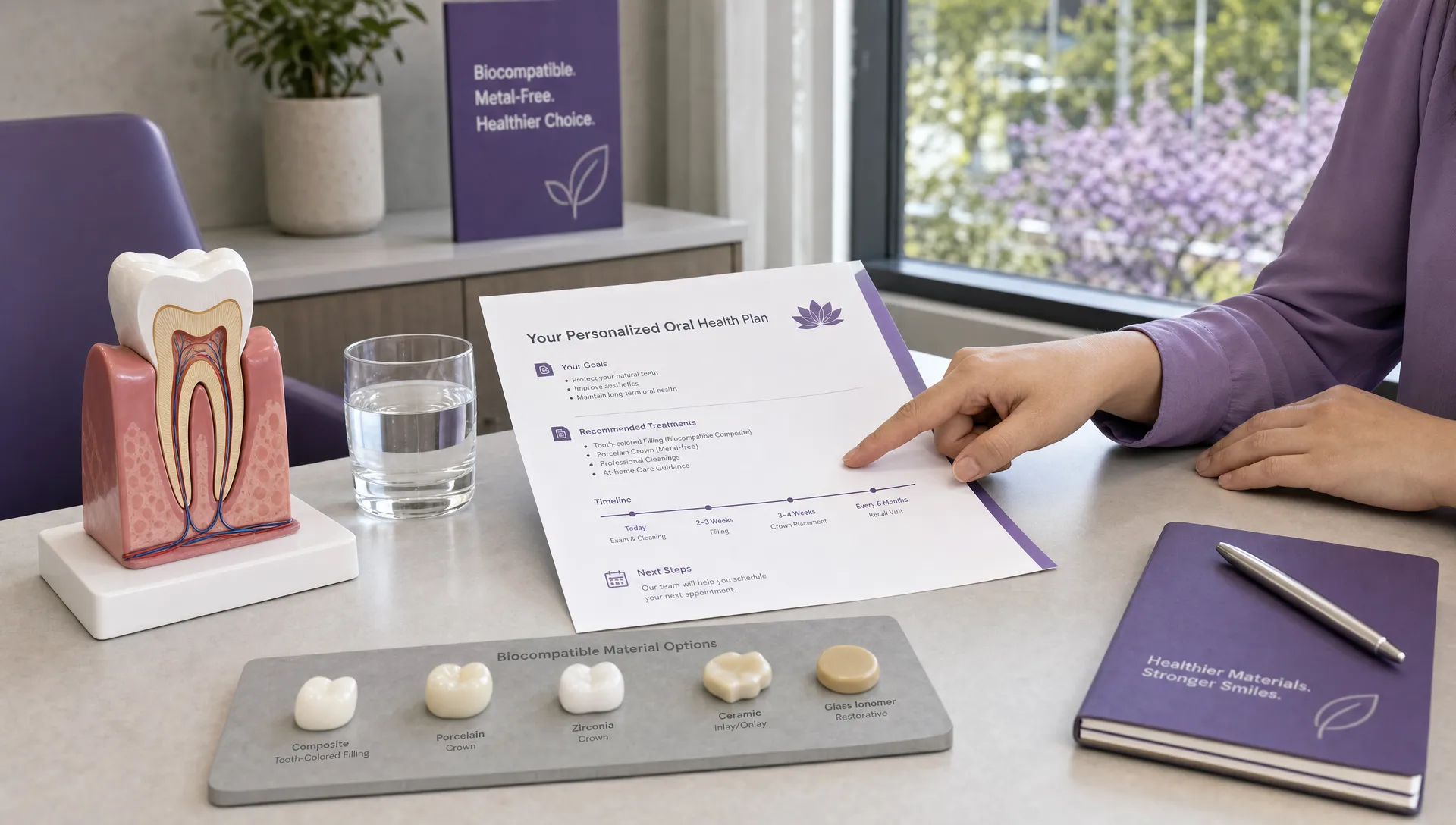
Healing dentistry begins before a procedure is scheduled. For patients in Tulsa and across Oklahoma who are trying to reduce toxic exposures, support immune resilience or understand the mouth-body connection, recovery is not just a post-op instruction sheet. It is a plan that considers inflammation, oral bacteria, material compatibility, nutrition, stress and the body's capacity to repair.
At Origin Dental Wellness, that planning happens through a biological lens. Shannon Toler, DDS, BCHN, AIAOMT, FAAOSH, FMRII, is a Biological Dentist and Board Certified Holistic Nutritionist, so clinical decisions are shaped by both dental findings and whole-body context. The goal is not to promise a specific result. The goal is to remove avoidable obstacles, choose lower-toxicity methods when possible and help the body do what it is designed to do.
What Healing Dentistry Means
Healing dentistry is a way of thinking about dental care that asks a deeper question: what does this mouth need in order to recover well without adding unnecessary biological burden?
In conventional dental planning, the focus often starts with the tooth, filling, crown, extraction, implant or cleaning. Those categories matter, and patients should understand what is being done. Many dental websites organize care this way, including general dental clinic models such as The Dental Lounge at Robina. A biological practice adds another layer by asking how the procedure, materials and timing may affect the immune system, microbiome and inflammatory load.
This is why healing dentistry is closely tied to the oral-systemic connection. The American Academy for Oral and Systemic Health has helped bring attention to the relationship between oral infections, inflammation and overall health. Origin Dental Wellness takes that relationship seriously, especially for patients who are toxin-sensitive, immune-compromised, chronically inflamed or simply trying to live with fewer exposures.
If you are new to this perspective, our article on why complete health dentistry looks beyond teeth offers a helpful foundation.
Recovery Starts With Better Diagnosis
A healthier recovery depends on knowing what you are recovering from. A tooth that looks simple on the surface may have hidden infection, bone changes, bite stress, periodontal breakdown or bacterial imbalance. A biological approach tries to understand those factors before treatment begins.
Dr. Toler may recommend diagnostics such as cone beam CT imaging, salivary testing or biofilm evaluation when they are appropriate for the patient's symptoms, history and treatment goals. These tools are not about making care more complicated. They help clarify what is happening below the gumline, around old restorations and within the oral environment.
Gum health is a good example. The National Institute of Dental and Craniofacial Research describes periodontal disease as an inflammatory condition that affects the tissues supporting the teeth. In a healing-focused model, gum inflammation is not treated as a cosmetic nuisance or a simple cleaning issue. It is a signal that the immune system, biofilm and tissue environment need attention.
This diagnostic step is especially important for patients traveling to Tulsa from Broken Arrow, Jenks, Bixby, Owasso, Sand Springs, Oklahoma City or neighboring states. When someone is investing time and energy into biological dental care, it is worth slowing down enough to build a clearer plan.
Reducing Biological Burden Before Treatment
Recovery is harder when the body is already managing too much. In dentistry, that burden may come from active infection, inflamed gums, incompatible materials, old metals, airway stress, poor sleep, nutritional depletion or high anxiety.
Healing dentistry does not assume that every patient needs the same preparation. Instead, the planning conversation may include questions such as:
- Are there signs of periodontal inflammation or high-risk oral bacteria?
- Are existing materials causing sensitivity concerns or immune reactivity?
- Is the patient recovering from chronic illness, gut issues or immune stress?
- Would treatment timing be better after improving hygiene, nutrition or inflammation?
- Does anxiety or nervous system activation make recovery more difficult?
This is where Dr. Toler's combined background in biological dentistry and holistic nutrition becomes relevant. A dental procedure happens in the mouth, but healing depends on the whole person. Protein intake, mineral status, blood sugar stability, sleep, hydration and inflammatory patterns can all influence how someone feels before and after care. Origin Dental Wellness does not diagnose medical conditions through a blog article, but these are the kinds of whole-body considerations that can shape individualized recommendations during an appointment.
Biocompatible Materials Matter
One of the clearest differences in biological dentistry is material selection. The body does not treat every dental material the same way. Some patients tolerate common restorative materials well. Others report sensitivities, allergies or inflammatory reactions that make material choice a major concern.
Origin Dental Wellness emphasizes biocompatibility, and testing such as MELISA may be discussed when clinically appropriate. The purpose is to reduce avoidable exposure to materials that may not suit a particular patient. This is especially relevant for people with metal allergies, autoimmune concerns, chemical sensitivity or a history of reacting poorly to dental work.
Mercury amalgam removal is another area where planning affects recovery. Origin Dental Wellness follows a safety-oriented biological approach rather than casual drilling of mercury-containing fillings. The International Academy of Oral Medicine and Toxicology describes the SMART protocol for reducing mercury exposure during amalgam removal. Our practice's approach is aligned with careful isolation, filtration, suction and patient protection when mercury removal is recommended.
Our practice also chooses not to provide root canal therapy. That position is part of our biological philosophy, not a claim that every person in every circumstance must make the same decision. When a tooth is non-vital or chronically infected, Dr. Toler discusses biologic options, risks, benefits and next steps based on the individual case.
For a broader look at procedure selection, you may find our guide to dental services that matter for long-term wellness useful.
Supporting the Healing Environment
Dental recovery is not only about what is removed or repaired. It is also about the environment created during and after treatment. Biological dentistry often uses supportive therapies that aim to reduce microbial burden, improve tissue conditions and help patients remain calmer through care.
Ozone therapy may be used in certain procedures because of its role in microbial control and tissue support. PRP or PRF may be considered in surgical situations where concentrated platelets and growth factors can support a more favorable local healing environment. PubMed's indexed literature on platelet-rich fibrin in dentistry reflects ongoing clinical interest in how these materials are used in oral surgery and regenerative procedures.
Nervous system support also matters. Stress can change how a patient experiences dental care, and anxious patients may clench, breathe shallowly or leave treatment feeling depleted. When appropriate, tools such as NuCalm may be used to help patients feel more settled without turning the visit into a high-stress event.
| Planning factor | Why it matters for recovery | Biological question to ask |
|---|---|---|
| Oral biofilm | Bacterial imbalance can affect gum and tissue inflammation | Do we need salivary or biofilm insight before treatment? |
| Material choice | Sensitive patients may react differently to restorations or metals | Would compatibility testing help guide safer selection? |
| Imaging | Hidden infection or bone changes can alter the treatment plan | Is 3D imaging appropriate for this case? |
| Nutrition and health history | Tissue repair depends on whole-body reserves | Are there systemic factors that should be considered first? |
| Nervous system state | Anxiety can make treatment and recovery feel harder | Would calming support improve the care experience? |
Planning for Recovery in Tulsa and Beyond
Patients visit Origin Dental Wellness from Tulsa and the surrounding Oklahoma metro because they want dental care that fits a health-centered lifestyle. Some are concerned about mercury. Some want fluoride-free prevention. Others are trying to understand why oral inflammation keeps returning despite routine cleanings. Many have already made careful choices with food, household products and medical care, so they want dentistry to match that same level of intention.
A recovery plan may include phased treatment instead of doing everything at once. It may include improving gum health before restorative work, choosing materials before a crown is made or scheduling surgical care when the patient has the support and downtime to recover. If a patient is traveling from Oklahoma City or out of state, the team can discuss practical timing so the visit is realistic, but clinical recommendations are still based on what the patient needs.
Financial planning is part of recovery planning too. Origin Dental Wellness is out-of-network for all insurance providers. Patients pay in full on the day of the appointment, then the team files with the insurance company so reimbursement can be sent at the out-of-network rate, subject to the insurer's approval. Pricing is available upon request once a treatment has been recommended, and the practice provides treatment based on health needs rather than the likelihood of insurance coverage. CareCredit is accepted as a third-party credit card option, but Origin Dental Wellness does not directly offer financing or pay-over-time plans.
This level of planning can feel different if you are used to short dental visits. A comprehensive biological appointment is designed to produce insight, not just a quick checklist. For patients who want to understand the why behind recommendations, that depth is often the point.
How to Think About Aftercare Without Guessing
Good aftercare should be specific to the procedure, patient and risk profile. General internet advice can be too vague, and sometimes it conflicts with the biological goals of care. After an appointment, follow the instructions provided by Origin Dental Wellness rather than trying to build your own protocol from online tips.
That said, healing-focused aftercare usually shares a few principles. Keep the mouth clean without being aggressive. Protect clots and surgical sites when applicable. Avoid unnecessary irritants. Respect rest. Watch for symptoms that deserve a call to the practice. If nutrition, supplementation or medication questions apply to your situation, ask for guidance during your visit rather than guessing.
The most important mindset is to see recovery as a continuation of treatment. The procedure creates a change. The days and weeks afterward determine how the body responds to that change. When the plan accounts for oral bacteria, materials, inflammation and whole-body reserves, recovery is less likely to be left to chance.
When Healing Dentistry May Be Especially Helpful
Healing dentistry can be valuable for many adults, but certain patients tend to seek it out more urgently. These include people with chemical sensitivity, a history of dental material reactions, autoimmune or inflammatory conditions, chronic gum concerns, unresolved dental infections, mercury amalgams or strong preferences for fluoride-free and lower-toxicity care.
It may also appeal to preventive-focused families who want more than routine cleanings. In a biological model, prevention includes education about the oral microbiome, nutrition, airway, saliva, inflammation and the materials placed in the mouth. Our article on how biological dental procedures support whole-body health explores that connection in more detail.
Healing dentistry is not about rejecting modern dental technology. At its best, it combines advanced diagnostics with a cautious respect for biology. The technology is used to see more clearly, plan more precisely and reduce unnecessary burden where possible.
Frequently Asked Questions
What is healing dentistry? Healing dentistry is a biological approach to dental care that plans treatment around recovery, biocompatibility, oral bacteria, inflammation and the oral-systemic connection. It looks beyond repairing a tooth and asks how the body can be better supported before, during and after care.
Is healing dentistry the same as holistic dentistry? The terms often overlap. At Origin Dental Wellness, the approach is biological and holistic, meaning Dr. Toler considers materials, toxins, nutrition, diagnostics, microbiome balance and whole-body health when making dental recommendations.
Can healing dentistry guarantee an easier recovery? No dental approach can guarantee a specific recovery. The purpose of biological planning is to identify risk factors, reduce avoidable burdens and create a more thoughtful treatment plan based on the patient's health history and dental findings.
Why does material compatibility matter? Dental materials stay in close contact with oral tissues for years. For patients with sensitivities, allergies or immune concerns, biocompatible material selection may help reduce unnecessary irritation or reactivity.
Do you use fluoride in prevention? Origin Dental Wellness is a fluoride-free practice. Our approach to prevention focuses on oral microbiome balance, nutrition, saliva quality, home care, diagnostics and individualized strategies rather than routine fluoride use.
Do you provide root canal treatment? Origin Dental Wellness does not provide root canal therapy. When a tooth is non-vital or chronically infected, Dr. Toler discusses biological options and individualized recommendations during the clinical evaluation.
Plan Dental Care With Recovery in Mind
If you are in Tulsa, the surrounding Oklahoma metro or traveling from Oklahoma City or a neighboring state, Origin Dental Wellness offers a biological approach for patients who want dental care aligned with whole-body health. Healing dentistry begins with better questions, better diagnostics and treatment choices that respect your biology.
To learn whether this approach is a fit for your needs, contact Origin Dental Wellness and ask about scheduling a comprehensive new patient appointment with Dr. Shannon Toler.