
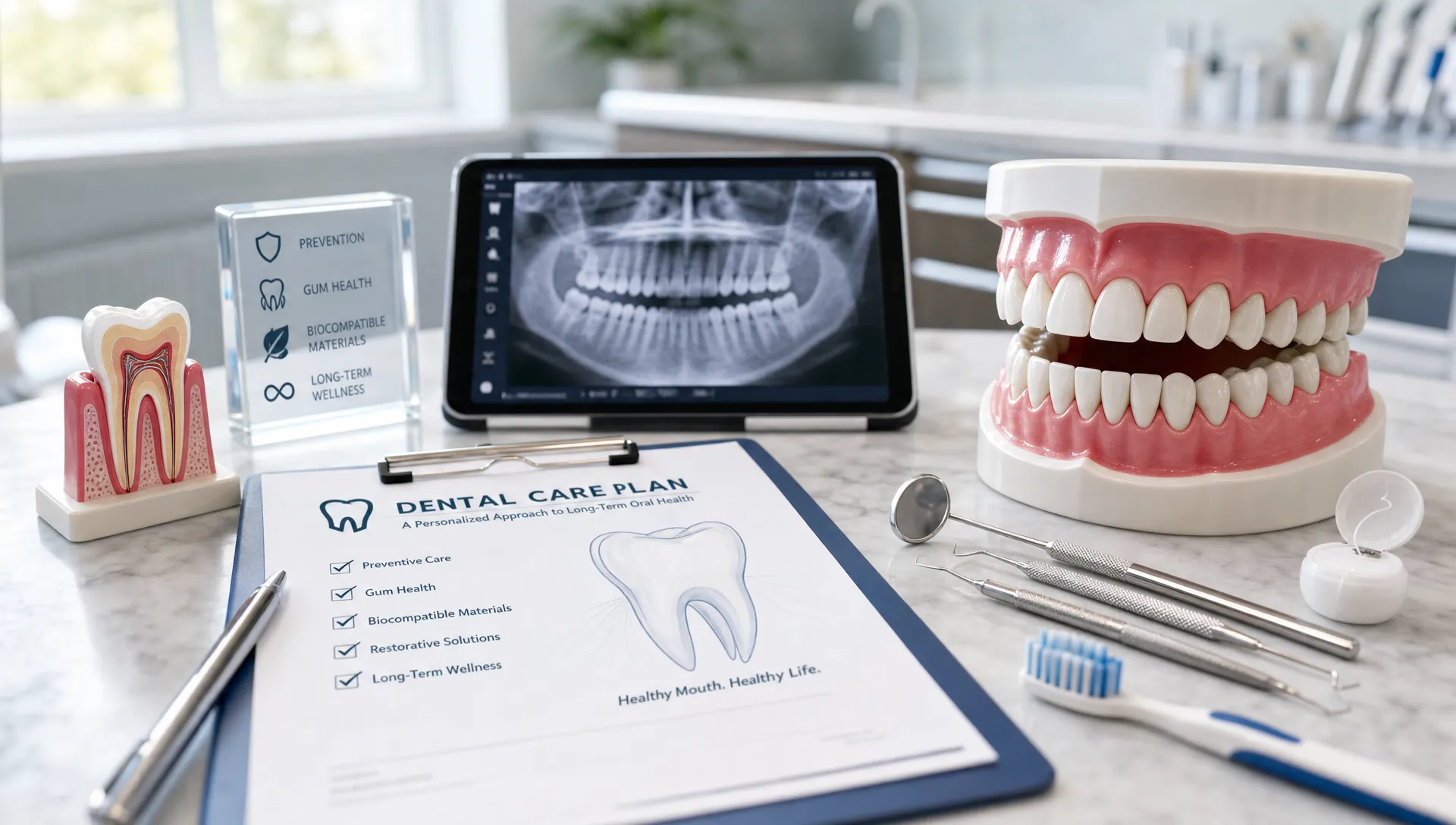
Most people do not think about dental care until something hurts, breaks, bleeds, or looks different in the mirror. That is understandable, but it is also why the most important dental services are often the ones that prevent problems long before they become urgent.
A wellness-focused approach asks a bigger question than, How do we fix this tooth today? It asks, What does your mouth reveal about your overall health, and how can dental care support your long-term well-being?
For patients comparing dental services in Tulsa, that distinction matters. Routine cleanings, restorations, gum care, cosmetic treatment, and oral surgery can all be valuable, but they matter most when they are planned with the whole body in mind.
What makes dental services wellness-centered?
Wellness-centered dentistry begins with the understanding that the mouth is not separate from the rest of the body. Gums, teeth, saliva, oral bacteria, airway, jaw function, nutrition, immune response, and inflammation all interact.
That is the foundation of health-centered dentistry, a biological approach that considers how dental decisions may affect total health. Instead of viewing dental treatment as a series of isolated procedures, it looks for root causes, safer materials, and prevention strategies that fit the person in the chair.
This does not mean every patient needs every service. It means each service should have a clear purpose. A filling should do more than patch a tooth. Gum therapy should do more than stop bleeding temporarily. Surgery should be planned not only for the procedure itself, but for healing, tissue health, and long-term maintenance.
Preventive care is still the foundation
The most valuable dental services are often the least dramatic. Preventive care helps identify small problems early, when they are easier to treat and less likely to affect broader health.
A thorough wellness exam may include evaluation of tooth structure, gum health, bite forces, oral tissues, old restorations, dry mouth risk, diet patterns, and home care habits. Cleanings help remove plaque and calculus, but a health-centered visit also looks at why buildup, inflammation, or decay keeps returning.
For example, repeated cavities may not simply mean a patient needs to brush harder. Dry mouth, mineral deficiencies, acidic drinks, frequent snacking, mouth breathing, and bacterial imbalance can all contribute. Likewise, bleeding gums are not just a local nuisance. They can signal inflammation that deserves attention.
Preventive dental care is where long-term wellness begins because it turns appointments into checkpoints, not emergency repairs.
Diagnostics that look beyond the surface
Modern dental care is strongest when it is guided by better information. In a biological dental setting, advanced diagnostics can help reveal what is happening in the oral environment before treatment is planned.
Oral biofilm testing, for instance, can help identify patterns in the bacterial communities living around the teeth and gums. Salivary diagnostics may provide insight into inflammation, bacterial risk, or other markers relevant to oral health. These tools do not replace a clinical exam, but they can make care more personalized.
| Diagnostic focus | Why it matters for wellness | What it can help guide |
|---|---|---|
| Gum measurements | Tracks inflammation and periodontal breakdown | Cleaning intervals, periodontal therapy, home care priorities |
| Oral biofilm testing | Helps assess microbial imbalance | Targeted hygiene strategies and follow-up testing |
| Salivary diagnostics | Evaluates saliva-related risk factors | Dry mouth support, decay prevention, gum health planning |
| Imaging and clinical exams | Shows tooth, bone, and restoration concerns | Restorative, surgical, or monitoring decisions |
When patients understand their risk factors, they can make choices based on evidence rather than guessing. That can mean fewer surprises, more conservative care, and better long-term outcomes.
Periodontal services protect more than the gums
Gum health is one of the clearest examples of why dentistry matters for whole-body wellness. Periodontal disease is common, and the CDC notes that a significant share of adults over 30 have some form of it.
Periodontal disease begins with bacterial biofilm and inflammation around the teeth. Over time, it can damage gum tissue and supporting bone. It may also affect comfort, breath, chewing, tooth stability, and the success of future restorative or implant treatment.
A wellness-focused periodontal plan may include detailed measurements, professional biofilm disruption, improved home care techniques, salivary or microbial testing, nutritional support conversations, and ongoing maintenance. The goal is not just a cleaner mouth today. The goal is a healthier oral ecosystem over time.
Origin Dental Wellness has also written about why the mouth is connected to the rest of the body, especially when chronic oral inflammation is present.
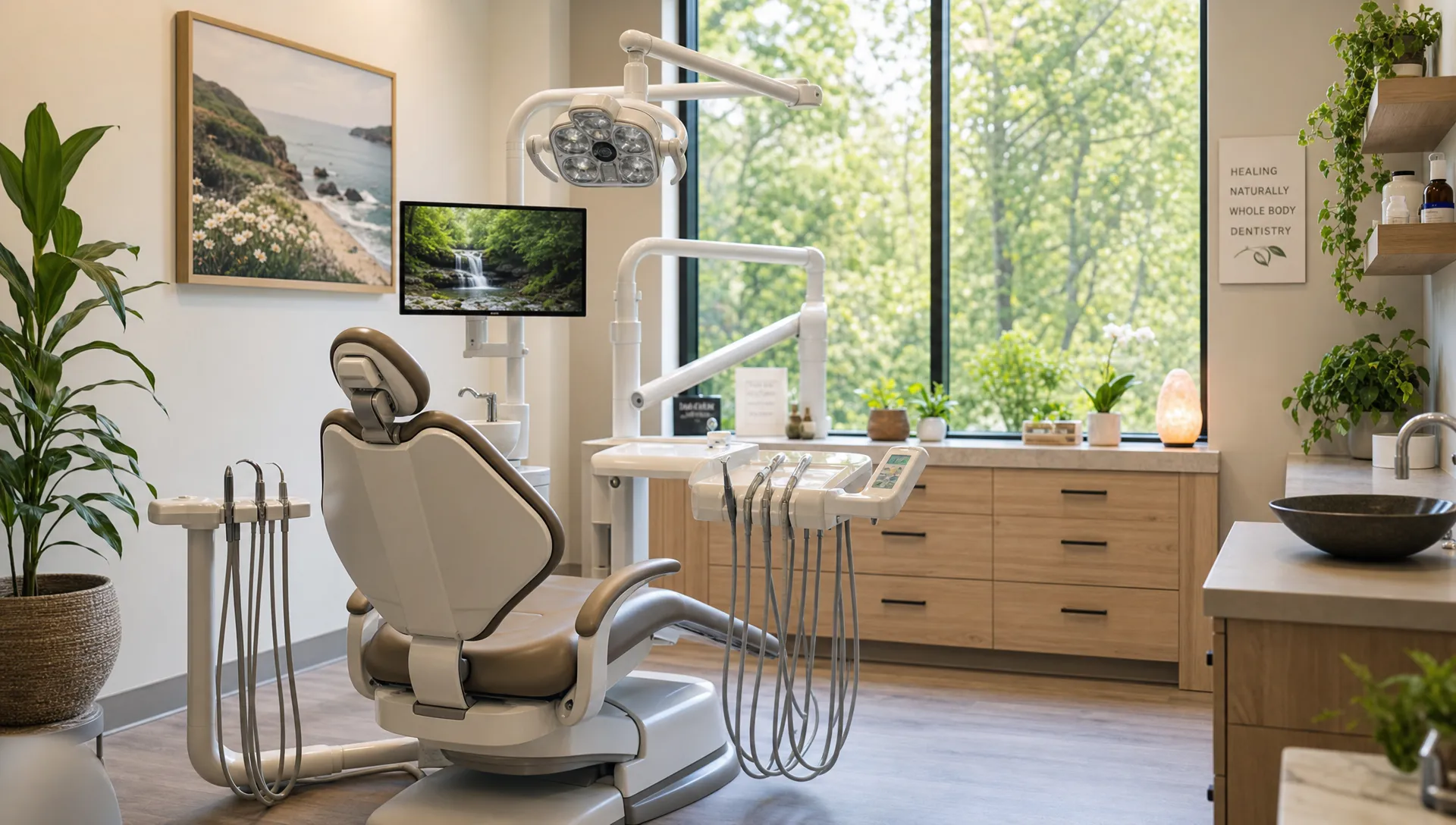
Restorative dental services should respect biology
Restorative dentistry includes care for damaged, cracked, decayed, or missing tooth structure. In a conventional setting, the main question may be whether a restoration fits and functions. In a biological setting, material choice matters too.
Biocompatible materials are selected with the patient’s overall health and sensitivities in mind. This can be especially important for patients who have allergies, autoimmune concerns, chronic inflammation, or a history of reacting poorly to certain materials.
A wellness-minded restoration should aim to preserve as much healthy tooth structure as possible, restore chewing function, reduce areas where bacteria can collect, and use materials appropriate for the individual. The best restorative care is not simply about making a tooth look whole again. It is about helping the mouth function in a healthier, more stable way.
Safe mercury removal is a specialized service
Some patients come to biological dentistry because they are concerned about older amalgam fillings. Amalgam contains mercury, and patients may want to understand their options for replacement.
Safe mercury removal is different from simply drilling out an old filling. A properly planned process is designed to reduce unnecessary exposure during removal and protect both the patient and dental team. The exact recommendations should be individualized, since not every filling needs to be replaced immediately and not every patient has the same risk profile.
The larger point is informed consent. Patients should understand what materials are in their mouths, what alternatives exist, and how replacement can be approached as safely and conservatively as possible.
Infection-focused decisions require careful evaluation
Long-term wellness also means taking dental infections seriously. A tooth that is chronically infected, painful, failing, or structurally compromised can affect daily comfort and treatment planning. Biological dentistry often takes a cautious view of keeping teeth that may remain a source of infection.
Root canal decisions are one area where patients often have questions. The goal is not to create fear or make one-size-fits-all claims. The goal is to help patients understand risks, alternatives, and the biological perspective. If you are researching this topic, Origin Dental Wellness offers more detail on failing root canals.
When infection is part of the picture, the right dental services may include advanced imaging, periodontal evaluation, extraction planning, bone preservation, replacement options, and a healing strategy that supports the whole person.
Oral surgery and implants need a strong wellness plan
Oral surgery can be part of long-term wellness when it removes infection, replaces missing teeth, or restores function. But surgery should never be viewed as a stand-alone event. Healing, bone quality, immune response, material selection, and maintenance all matter.
Dental implants, for example, require healthy bone, healthy gum tissue, and a low-inflammation oral environment. If gum disease, poor hygiene, smoking, uncontrolled blood sugar, or bite overload are present, those factors need to be addressed as part of the plan.
Biological dental practices may use supportive therapies such as ozone therapies, PRP, or PRF as part of surgical care. PRP and PRF are derived from the patient’s own blood and are used in some dental procedures to support natural healing. These tools are not shortcuts. They are adjuncts that work best when diagnosis, surgical technique, and aftercare are all well managed.
Cosmetic dentistry should not ignore function
Cosmetic dentistry can absolutely support confidence, but it should still protect health. A smile that looks good but creates bite problems, traps plaque, or damages enamel is not a wellness success.
The most meaningful cosmetic dental services consider tooth position, gum health, airway and bite forces, material compatibility, and long-term maintenance. In many cases, the healthiest cosmetic improvement begins with foundational care: cleaning up inflammation, replacing failing restorations, improving oral hygiene, or addressing worn and cracked teeth.
Beauty and biology should work together. When they do, cosmetic care can enhance both appearance and oral stability.
Whole-person care often includes other professionals
Dental wellness is not achieved in isolation. Stress, sleep quality, nutrition, medications, anxiety, ADHD, depression, and chronic illness can all influence oral health. Clenching, dry mouth, inconsistent home care, inflammation, and dietary patterns often have roots beyond the dental chair.
That is why a holistic dental team may encourage collaboration with physicians, nutrition professionals, mental health clinicians, and other providers when appropriate. For example, a patient in Manhattan might work with a practice offering comprehensive psychiatric services in NYC while their dental team monitors how stress, medication effects, and sleep disruption show up in the mouth.
This kind of coordinated thinking helps patients move from symptom management toward sustainable wellness.
How to choose dental services that support long-term wellness
If you are evaluating a dental practice, look beyond the menu of procedures. Ask how the team thinks, tests, explains, and plans.
A wellness-centered dental office should be able to explain why a service is recommended, what alternatives exist, what materials may be used, how the treatment supports function, and how success will be maintained over time.
Helpful questions include:
- Does the exam evaluate gums, bite, oral tissues, restorations, and risk factors, not just cavities?
- Are biocompatible materials discussed when restorative care is needed?
- Is periodontal inflammation measured, tracked, and re-evaluated?
- Are oral biofilm or salivary diagnostics available when deeper insight is needed?
- Are surgical procedures planned with healing support and long-term maintenance in mind?
- Does the practice consider nutrition, hydration, airway, stress, and whole-body health?
The right dental services should help you understand your health more clearly, not leave you feeling rushed or confused.
Frequently Asked Questions
What dental services matter most for long-term wellness? Preventive care, periodontal therapy, advanced diagnostics, biocompatible restorative care, safe mercury removal, infection evaluation, and well-planned oral surgery can all support long-term wellness when they are personalized to the patient.
How is holistic dentistry different from conventional dentistry? Holistic or biological dentistry considers how oral health, dental materials, bacteria, inflammation, and treatment choices may affect the whole body. It still uses modern dental science, but it places greater emphasis on biocompatibility, prevention, and root-cause thinking.
Are oral biofilm testing and salivary diagnostics necessary for everyone? Not always. They are most useful when a patient has recurring decay, gum inflammation, dry mouth, persistent infection concerns, or a need for more personalized prevention and periodontal planning.
Why does gum health matter so much? Gum disease can damage the tissues and bone that support the teeth. It also reflects chronic inflammation and bacterial imbalance, which is why wellness-focused dental care treats gum health as a core priority.
Can cosmetic dentistry be part of wellness-focused care? Yes. Cosmetic dentistry can improve confidence and function when it is planned around healthy gums, stable bite forces, conservative tooth preparation, and materials that are appropriate for the patient.
A healthier mouth starts with better questions
The dental services that matter most are not always the most complex. They are the services that help you prevent disease, reduce inflammation, choose safer materials, restore function, and make informed decisions for your future health.
If you are looking for a biological and holistic dental practice in Tulsa, Origin Dental Wellness offers patient-centered care designed around the connection between oral health and whole-body wellness.