
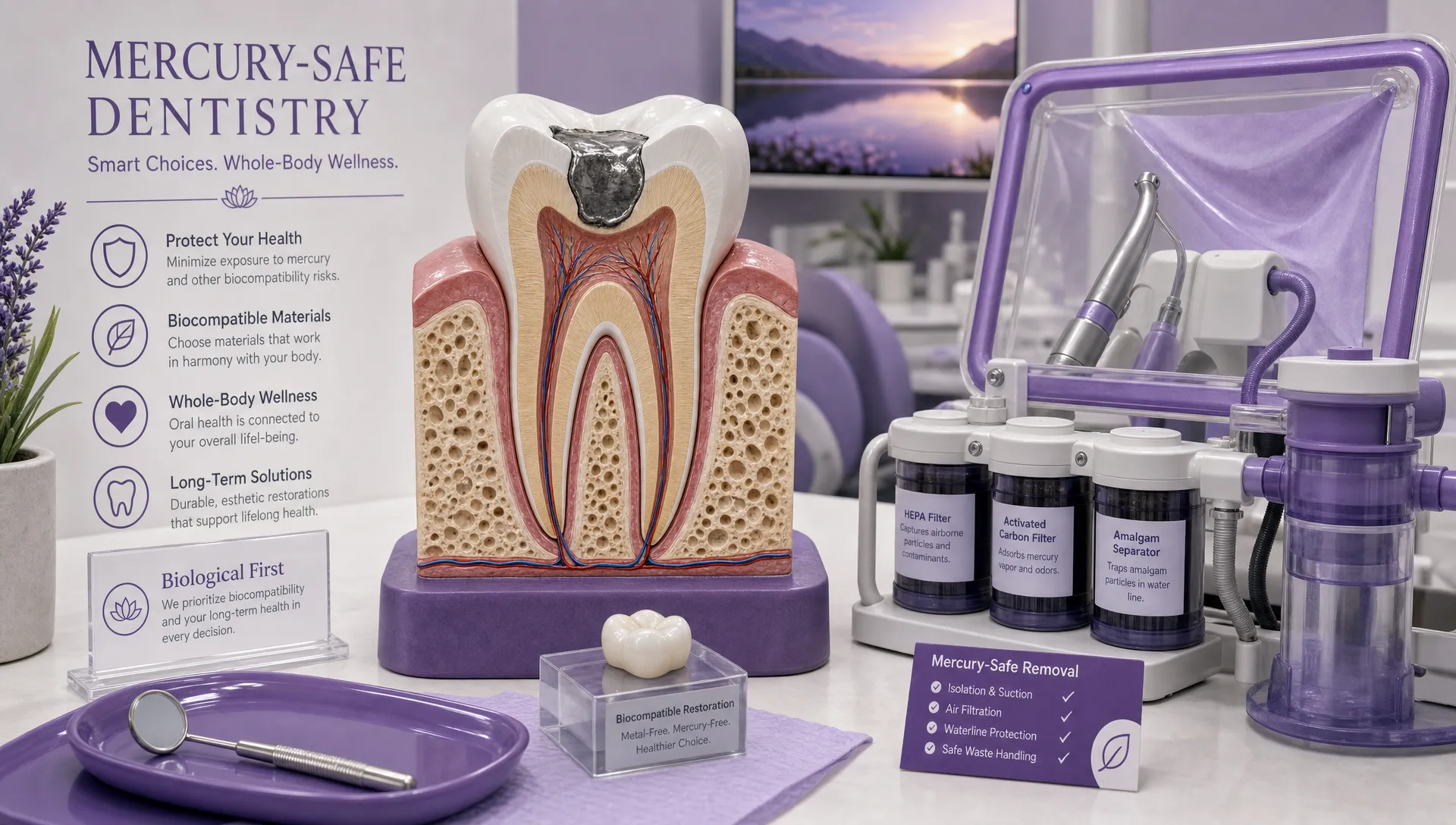
For many patients in Tulsa and across Oklahoma, the question is no longer just, “Can my tooth be fixed?” It is also, “How will this dental decision affect my immune system, inflammation, sleep, nutrition, and long-term wellness?” That is the heart of biological dentistry.
Biological dental procedures are designed to care for the teeth, gums, jaw, airway, and oral microbiome while considering how each choice may influence the rest of the body. At Origin Dental Wellness, this means looking beyond isolated symptoms and asking bigger questions about biocompatibility, toxicity, chronic inflammation, nutrition, and the oral-systemic connection.
This does not mean every patient needs the same treatment. It means every recommendation should be made in context. Dr. Shannon Toler, DDS, BCHN, AIAOMT, FAAOSH, FMRII, evaluates dental concerns through both a clinical and whole-body lens, with attention to each patient’s sensitivities, history, and wellness goals.
What makes dental procedures “biological”?
A biological dental procedure is not defined only by the tool being used. It is defined by the philosophy behind the care.
In conventional dentistry, a procedure may focus primarily on restoring tooth structure or removing disease. Those goals still matter in biological dentistry, but the evaluation goes further. A biological approach asks how the treatment interacts with the body, whether materials are well tolerated, how infection or inflammation may be affecting systemic health, and whether a less toxic or more conservative option is available.
For example, a filling is not just a filling. A biological dentist considers the material placed in the tooth, the patient’s sensitivity history, how much healthy tooth structure can be preserved, and whether the mouth environment supports long-term stability. A cleaning is not just plaque removal. It can also be an opportunity to assess gum inflammation, oral bacteria, bleeding, mineral balance, saliva quality, and home-care habits that influence whole-body wellness.
This is why biological dentistry often includes advanced diagnostics, biocompatible materials, fluoride-free options, ozone therapy, cone beam CT imaging when appropriate, salivary and biofilm testing, and careful protocols for mercury amalgam removal. These choices are not about being different for the sake of being different. They are about reducing unnecessary burden on the body while supporting healing capacity.
If you want a deeper look at this philosophy, Origin Dental Wellness explains its broader approach to health-centered dentistry and why oral care should be viewed as part of overall health.
The oral-systemic connection behind biological care
The mouth is one of the most active microbial environments in the body. It is also highly vascular, connected to the digestive tract, involved in breathing and sleep, and influenced by nutrition, hormones, immune function, and inflammation.
The National Institute of Dental and Craniofacial Research emphasizes that oral health is an essential part of overall health. Gum disease, tooth decay, oral infections, dry mouth, and other dental concerns can affect quality of life and may be associated with broader health patterns.
This connection is especially important for patients who are toxin-sensitive, immune-compromised, dealing with gut issues, managing chronic inflammation, or trying to live a lower-toxicity lifestyle. For these patients, dental procedures can feel like a major decision because materials, medications, infection control, and healing support may all matter more than they would for someone without sensitivities.
Biological dentistry does not claim that dental treatment alone cures systemic illness. Instead, it recognizes that the mouth can be one meaningful piece of the wellness puzzle. When oral inflammation is reduced, materials are chosen carefully, and infection risks are evaluated thoroughly, dental care can better align with a patient’s overall health strategy.
Organizations such as the American Academy for Oral Systemic Health focus on this connection between oral health and systemic wellness, which is also a core part of how Origin Dental Wellness approaches care in Tulsa.
Key biological dental procedures and how they support whole-body health
Biological dentistry includes many of the same categories patients recognize, such as exams, cleanings, fillings, extractions, cosmetic dentistry, implants, and periodontal care. The difference is how those services are planned, performed, and supported.
| Dental procedure area | Biological focus | Whole-body consideration |
|---|---|---|
| Comprehensive exams | Identify root causes, not just visible damage | Oral inflammation, airway, nutrition, materials, infection risk |
| Cleanings and periodontal care | Support a healthier oral microbiome | Gum inflammation, bleeding, bacterial burden, immune response |
| Restorative dentistry | Use biocompatible, tooth-conserving materials | Chemical sensitivity, metal exposure, long-term tolerance |
| Mercury filling removal | Follow safety protocols to reduce exposure | Vapor, particles, respiratory protection, isolation |
| Extractions and surgical care | Support healing and reduce infection burden | Ozone, PRP/PRF when appropriate, bone health, immune status |
| Cosmetic procedures | Improve appearance with lower-toxicity planning | Material choice, tooth preservation, sensitivity management |
| Implant planning | Evaluate bone, bite, materials, and systemic readiness | Biocompatibility, inflammation, healing capacity, long-term wellness |
This table is not a treatment plan. It is a framework for understanding how biological dental procedures are viewed differently. The right approach depends on your health history, exam findings, imaging, goals, and clinical recommendations.
Advanced diagnostics help guide safer decisions
A biological appointment often begins with more information than a traditional problem-focused visit. That is because a toothache, bleeding gums, or failing restoration may be only one part of a larger pattern.
At Origin Dental Wellness, diagnostics may include tools and assessments that help evaluate the mouth more comprehensively. Cone beam CT imaging may be recommended when three-dimensional information is needed, such as evaluating bone, infection concerns, impacted teeth, airway-related structures, or surgical planning. Salivary and biofilm diagnostics may help identify bacterial patterns that contribute to gum inflammation or recurring disease. Material sensitivity considerations, including testing options such as MELISA when appropriate, may be discussed for patients with metal allergies, autoimmune concerns, or a history of reacting poorly to dental materials.
These tools do not replace clinical judgment. They support it. Dr. Toler uses diagnostic information to help determine which dental procedures are appropriate, which materials may be better tolerated, and how to reduce unnecessary stress on the body during treatment.
This is especially valuable for patients traveling from Broken Arrow, Jenks, Bixby, Owasso, Sand Springs, Oklahoma City, or neighboring states who want a more comprehensive biological perspective before making major dental decisions.
Biocompatible materials reduce unnecessary burden
One of the clearest differences in biological dentistry is the emphasis on material selection. Every dental material interacts with the oral environment. It may be exposed to chewing forces, saliva, temperature changes, bacteria, acidity, and the immune system.
For a healthy patient with no known sensitivities, many modern materials may be tolerated well. But for toxin-sensitive patients or those with chronic inflammatory concerns, “standard” may not be good enough. Biological dentistry asks whether the material is appropriate for that specific person.
This matters in procedures such as fillings, crowns, bonding, cosmetic restorations, implant planning, and replacement of older dental work. Biocompatibility is not just about avoiding metal. It is about selecting materials that support function while minimizing potential irritation, sensitivity, or immune burden.
At Origin Dental Wellness, our approach is also fluoride-free. Rather than relying on routine fluoride as a default recommendation, the practice emphasizes nutrition, mineral balance, oral hygiene, saliva support, bacterial control, and individualized prevention strategies.
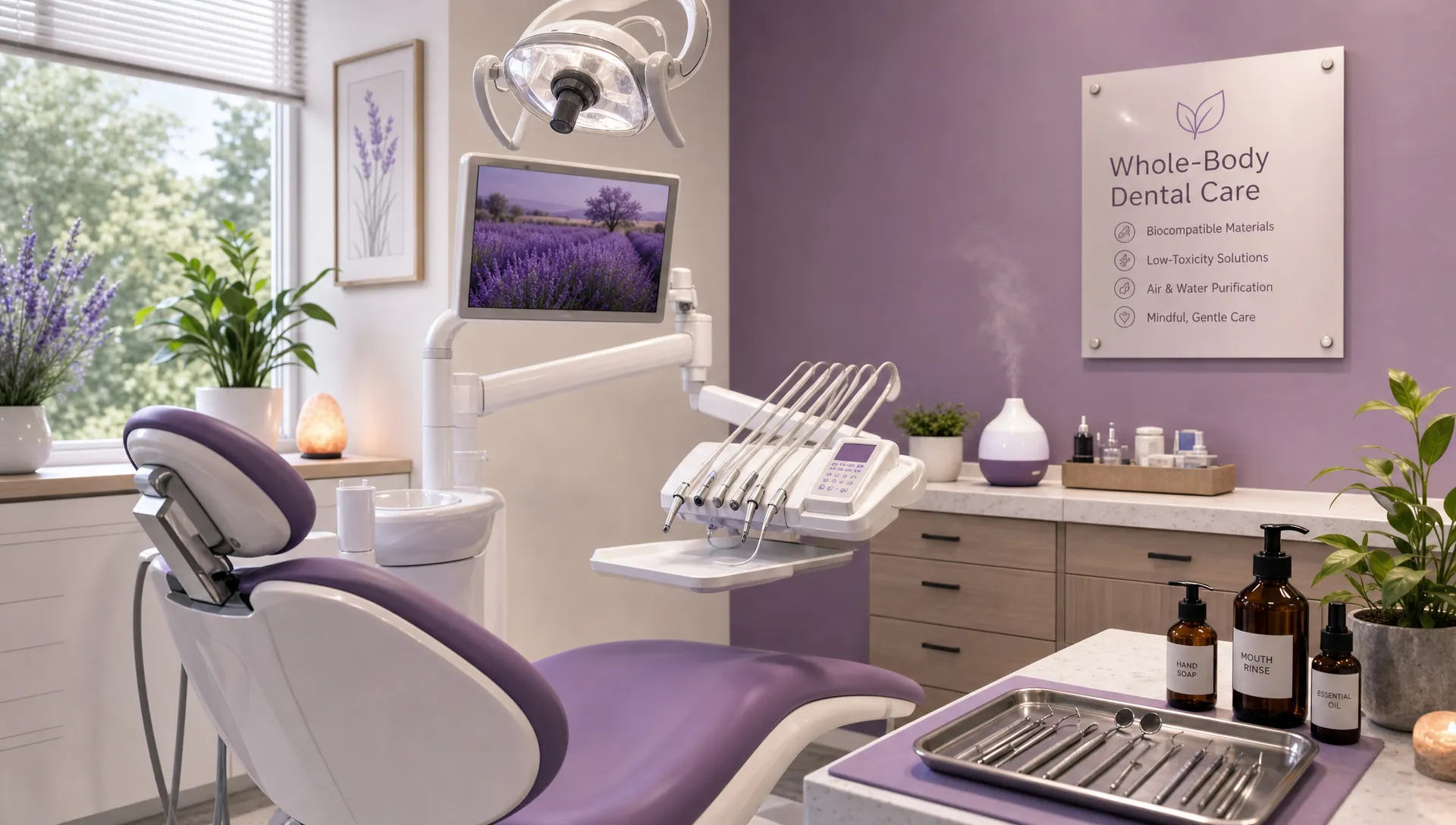
SMART mercury removal and low-toxicity protocols
Many adults still have older mercury amalgam fillings. Some patients seek replacement because of cracks, failing restorations, cosmetic concerns, or a desire to reduce mercury exposure. In biological dentistry, the way amalgam is removed matters as much as the decision to remove it.
Origin Dental Wellness uses the SMART protocol for mercury filling removal. SMART stands for Safe Mercury Amalgam Removal Technique, a protocol developed by the International Academy of Oral Medicine and Toxicology. The IAOMT’s SMART guidance focuses on reducing mercury vapor and particle exposure during removal through protective measures such as isolation, filtration, and specific removal techniques.
This is a good example of the biological mindset. The goal is not simply to replace a filling. The goal is to complete the procedure in a way that is more protective for the patient, the dental team, and the treatment environment.
Patients should not attempt to determine on their own whether amalgam removal is appropriate or urgent. That decision should be based on a clinical exam, the condition of the restorations, health history, and a thoughtful risk-benefit discussion.
Gum care, the oral microbiome, and inflammation
Gum health is one of the most important areas where biological dental procedures can support whole-body wellness. Periodontal disease is not just a “gum problem.” It involves bacterial imbalance, inflammation, tissue breakdown, and sometimes bone loss around the teeth.
The NIDCR overview of gum disease describes periodontal disease as an infection of the tissues that hold teeth in place, often associated with plaque buildup and inflammation. In a biological model, gum care is not limited to scraping away deposits. It may include evaluating bleeding, pocket depths, bacterial risk, saliva quality, nutrition, home care, and systemic contributors that influence inflammation.
A microbiome-aware approach is especially important for patients with gut concerns, immune challenges, or recurring dental inflammation. The mouth is the beginning of the digestive tract, and oral bacteria are swallowed throughout the day. Supporting a healthier oral microbiome can be part of a broader wellness strategy, although it should not be treated as a substitute for medical care when systemic disease is present.
This is where preventive dentistry becomes powerful. Regular biological cleanings, personalized home-care coaching, and early intervention can reduce the need for more invasive dental procedures later. Origin Dental Wellness has also written about healthy dental habits that protect more than teeth, which is a helpful complement to in-office care.
Ozone therapy, PRP/PRF, and healing support
Biological dentistry often pays close attention to the healing environment. When the body is asked to repair tissue after a dental procedure, factors such as infection control, blood supply, nutrition, immune resilience, and inflammation all matter.
Ozone therapy may be used in biological dentistry as part of protocols intended to support microbial control and tissue health. PRP and PRF, which are platelet-based concentrates derived from a patient’s own blood, may be used in certain surgical settings to support the body’s natural healing response. These therapies are not magic solutions, and they are not appropriate for every situation, but they can be valuable tools when used thoughtfully.
Dr. Toler’s background as both a biological dentist and Board Certified Holistic Nutritionist informs the way procedures are planned. Healing is not viewed only as a local dental event. Nutrition, inflammation, immune function, and patient-specific risk factors may all influence how the body responds after treatment.
For patients who have had difficult healing experiences in the past, this broader evaluation can be especially important.
Why our approach avoids root canals
Root canal therapy is a common conventional dental procedure, but Origin Dental Wellness takes a different approach. From a biological perspective, our practice chooses to avoid root canals because of concerns about residual bacteria, long-term infection risk, and the challenge of fully sterilizing the complex anatomy inside a tooth.
This is a contested area of dentistry, and patients may hear different recommendations depending on the provider they visit. Our position is not that every person must make the same choice in every circumstance. Rather, our approach is to evaluate the tooth, the surrounding bone, the patient’s health history, and available alternatives through a biological lens.
When a tooth is severely infected or structurally compromised, options may include extraction with careful site management and future replacement planning when appropriate. Ozone therapy, PRP/PRF, cone beam CT imaging, and biocompatible replacement options may all be part of the conversation depending on the case.
Patients who want to understand this philosophy in more detail can read Origin Dental Wellness’s article on why biological dentists recommend avoiding root canals.
Cosmetic dentistry can still be biological
A biological approach does not mean patients must ignore aesthetics. Many people want a brighter, more confident smile while still avoiding unnecessary chemicals, aggressive tooth reduction, or materials that do not align with their health priorities.
Cosmetic dental procedures can be planned with the same biological principles used for restorative care. That may mean choosing conservative options when possible, considering sensitivity, evaluating bite function, selecting materials carefully, and avoiding a one-size-fits-all approach to whitening or smile enhancement.
For example, a patient seeking a whiter smile may also need evaluation for enamel health, gum inflammation, dry mouth, dietary acids, grinding, or old restorations that will not whiten the same way natural teeth do. A patient considering veneers or bonding may need a discussion about tooth preservation and long-term maintenance, not just color and shape.
In biological dentistry, a beautiful result should still respect the health of the tooth and the body.
Dental implants and whole-body readiness
Dental implants can be an important option for replacing missing teeth, but they require careful planning. From a biological perspective, implant success involves more than placing a post in bone. The dentist must consider bone quality, gum health, bite forces, oral bacteria, material compatibility, inflammation, nutrition, and the patient’s healing capacity.
Some patients also have concerns about metals or immune reactivity. In those cases, material selection and hypersensitivity evaluation may become part of the planning conversation. Cone beam CT imaging may also be recommended to evaluate bone anatomy and identify potential risks before treatment decisions are made.
Because implant planning is a significant topic on its own, Origin Dental Wellness has a dedicated article on dental implants and whole-body health for patients who want to explore that decision more deeply.
How to think about dental procedures as part of your wellness plan
If you are health-conscious, toxin-sensitive, or managing complex health concerns, it can be helpful to approach dental decisions with a clear framework. Not every procedure is urgent, and not every dental issue has a single correct answer. The goal is to understand your options and choose care that fits your biology and priorities.
Before beginning a dental procedure, consider asking questions such as:
- What problem are we trying to solve, and what might happen if we wait?
- What materials will be used, and are biocompatibility concerns relevant for me?
- Is there active infection, inflammation, or bone involvement?
- Are there lower-toxicity or more conservative options?
- How will healing be supported before, during, and after the procedure?
- Does my medical history, immune status, or sensitivity profile change the plan?
These questions can help shift dental care from reactive treatment to informed partnership. They also help patients feel more prepared, especially when multiple dental procedures are being considered over time.
Frequently Asked Questions
Are biological dental procedures the same as holistic dental procedures? The terms are often used together, but they are not always identical. At Origin Dental Wellness, biological and holistic dentistry both refer to care that considers the mouth’s relationship to the whole body, including materials, inflammation, microbiome health, nutrition, and toxicity concerns.
Do biological dental procedures replace medical care? No. Biological dentistry can support oral and overall wellness, but it does not replace medical diagnosis or treatment. Patients with systemic conditions should continue working with their medical providers while addressing oral health concerns.
Why does material choice matter in biological dentistry? Dental materials stay in the mouth for years and interact with saliva, bacteria, chewing forces, and the immune system. For patients with sensitivities, allergies, autoimmune concerns, or toxin exposure concerns, biocompatible material selection may be especially important.
Is mercury filling removal always recommended? Not necessarily. The condition of the filling, the patient’s health history, and the risks and benefits of treatment should be evaluated first. When removal is recommended, Origin Dental Wellness uses SMART protocol precautions designed to reduce mercury exposure during the procedure.
Why is the first appointment so comprehensive? Biological dentistry requires a detailed understanding of your oral health, health history, goals, sensitivities, and risk factors. Origin Dental Wellness’s new patient appointment is over $500 and is designed to provide extensive insight and customized recommendations for your dental and whole-body health.
Take the next step toward health-centered dental care in Tulsa
If you are looking for dental procedures that respect your whole-body health, Origin Dental Wellness offers a biological approach for patients in Tulsa, Broken Arrow, Jenks, Bixby, Owasso, Sand Springs, Oklahoma City, and surrounding areas.
Whether you are concerned about mercury fillings, fluoride exposure, material sensitivities, gum inflammation, root canal alternatives, or simply want a more comprehensive view of your oral health, our team can help you understand your options.
Schedule a visit with Origin Dental Wellness in Tulsa to explore care that is personalized, low-toxicity, and rooted in the connection between oral health and overall wellness.