
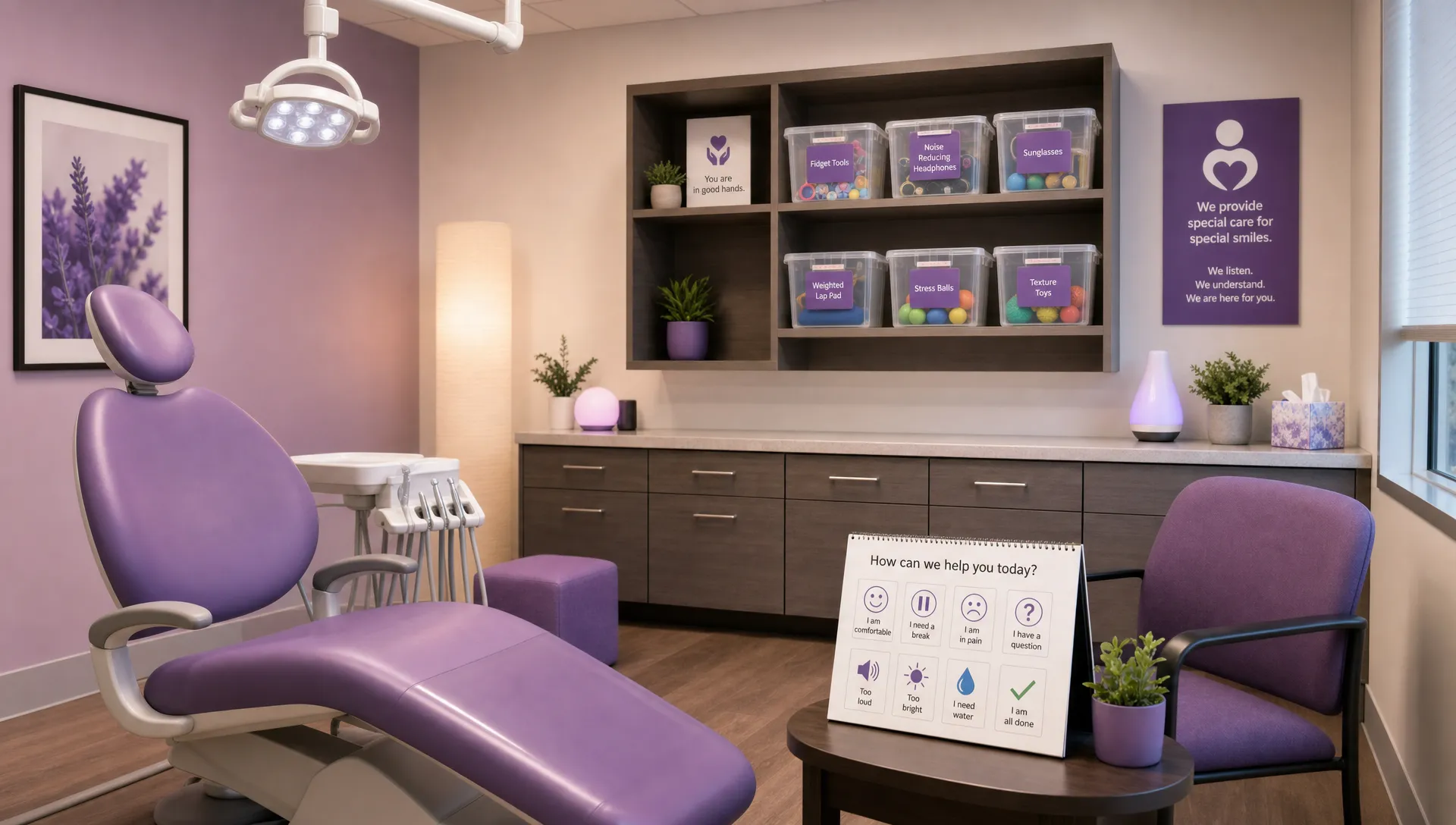
Finding the right dentistry for special needs is rarely just about scheduling a longer appointment. For many families and adults in Tulsa, Oklahoma, dental care must account for sensory overwhelm, medical complexity, chemical sensitivity, mobility limitations, communication differences, dental trauma, anxiety, or immune concerns.
At Origin Dental Wellness, special needs dental care is viewed through a biological and whole-body lens. That means gentleness is not limited to tone of voice or chairside manners. It also includes the materials placed in the mouth, the way diagnostics are used, the oral microbiome, the patient’s systemic health, and whether the care plan feels safe enough for the person receiving it.
For toxin-sensitive patients, neurodivergent children or adults, medically complex individuals, and families who want a more nontoxic approach, a gentler dental experience can make care feel more possible.
What dentistry for special needs can include
Special needs dentistry is not a single category of care. It can support people with developmental, neurological, physical, medical, behavioral, emotional, or sensory differences that make standard dental visits difficult.
That may include patients with autism spectrum disorder, Down syndrome, cerebral palsy, seizure disorders, autoimmune conditions, complex allergies, chemical sensitivities, traumatic dental histories, severe gag reflexes, anxiety, or cognitive differences. It can also include adults who do not identify with a diagnosis but know that conventional dental settings feel overwhelming or unsafe.
The National Institute of Dental and Craniofacial Research offers practical oral care guidance for people with developmental disabilities, emphasizing that oral health routines and dental visits may need to be adapted to the individual. In a biological dental practice, that adaptation goes a step further by asking how oral care choices affect the whole person.
A patient may need more time to process instructions. Another may react strongly to flavors, bright lights, polishing paste, latex, metals, or certain dental materials. Another may have gut, immune, or inflammatory issues that make prevention and material selection especially important. The point is not to force every patient into the same clinical routine. The point is to build a dental experience around the patient’s actual needs.
Why a biological approach can feel gentler
A gentle dental visit starts before anyone reclines in the chair. It begins with the assumptions a practice makes about the patient. At Origin Dental Wellness, Dr. Shannon Toler, DDS, BCHN, AIAOMT, FAAOSH, FMRII, approaches care as a Biological Dentist and Board Certified Holistic Nutritionist. Her clinical perspective considers oral health, nutrition, inflammation, material compatibility, and the body’s capacity to tolerate treatment.
This matters for special needs patients because discomfort is not always obvious. A patient may not be able to explain that a material burns, a flavor feels intolerable, a sound causes panic, or a previous experience created fear. A biological approach slows down enough to notice those variables and adjust when possible.
Gentler care may include:
- Respecting communication preferences and allowing extra time when needed.
- Considering sensory triggers such as taste, smell, sound, pressure, or lighting.
- Choosing dental materials with biocompatibility in mind.
- Looking at the oral microbiome instead of focusing only on teeth.
- Using advanced diagnostics when they help clarify risk or reduce guesswork.
- Avoiding one-size-fits-all recommendations when a patient has systemic concerns.
This is one reason many patients who need dentistry for special needs also seek holistic or biological care. They are not only looking for a kind chairside experience. They are looking for care that respects the way their body responds.
Comfort, consent, and predictability
Many special needs patients do better when they know what to expect. Predictability can reduce fear, especially for children, neurodivergent patients, and adults with past dental trauma.
Our team may ask about communication style, previous dental experiences, physical limitations, medications, allergies, sensory sensitivities, and what has helped or not helped in other healthcare settings. This preparation helps the appointment feel less like a test the patient must pass and more like a collaborative process.
For anxious or sensory-sensitive patients, a comfortable visit may involve explaining steps before they happen, checking in frequently, pausing when needed, and giving the patient a way to signal discomfort. These small adjustments can make dental care more accessible without compromising clinical standards.
If fear has kept someone away from care, our article on comfortable, patient-centered dental care for anxious patients explains why feeling safe and respected is not a luxury. It is often the first step toward consistent oral health care.
Biocompatible materials and hypersensitivity concerns
For some special needs patients, the biggest barrier is not the dental chair. It is the concern that dental materials may worsen symptoms or trigger sensitivities.
This is especially relevant for toxin-sensitive patients, people with metal allergies, patients with autoimmune or inflammatory conditions, and families trying to reduce chemical exposure. A biological dental approach pays close attention to what is placed in the mouth because dental materials can remain in contact with oral tissues for years.
Origin Dental Wellness emphasizes biocompatibility and low-toxicity decision making. When appropriate, Dr. Toler may discuss compatibility concerns, material history, and testing options such as MELISA testing for metal sensitivity. This does not mean every patient needs the same testing or the same treatment. It means the care plan should reflect the patient’s history and risk factors.
For patients with existing mercury amalgam fillings, our approach follows safety principles when removal is recommended. The IAOMT SMART protocol outlines protective measures for mercury amalgam removal. Origin Dental Wellness aligns with biological dentistry principles that prioritize patient, team, and environmental safety during this type of procedure.
Fluoride is another area where patients may have strong preferences or sensitivities. Origin Dental Wellness is a fluoride-free practice. For patients at higher risk of cavities, our approach focuses on individualized prevention, biofilm management, nutrition-aware counseling, pH balance, and other strategies consistent with the patient’s health picture rather than routine fluoride use.
Advanced diagnostics can reduce uncertainty
Special needs dental care should not mean minimal information. In many cases, clearer diagnostics can make care more conservative, more targeted, and less stressful.
The mouth is part of the body’s larger inflammatory and microbial ecosystem. The NIDCR Oral Health in America report emphasizes that oral health is connected to overall health and quality of life. For patients with immune, gut, cardiovascular, airway, or inflammatory concerns, this connection is especially important.
At Origin Dental Wellness, advanced diagnostic tools may be considered when they help guide safer and more personalized decisions. These can include cone beam CT imaging, salivary diagnostics, biofilm testing, and other assessments that help Dr. Toler evaluate what is happening beyond the surface.
For a patient who struggles to communicate pain, imaging may help identify hidden infection, bone changes, airway-related clues, or structural concerns. For a patient with recurring inflammation, salivary or biofilm information may help personalize prevention. For a patient with systemic health issues, diagnostics can help the care plan reflect more than a quick visual exam.
You can learn more about this philosophy in our article on how advanced dental care improves diagnosis and healing.
| Common concern | Gentler biological consideration |
|---|---|
| Sensory overload | Slower pacing, clear communication, pauses, and reduced unnecessary stimulation when possible |
| Chemical sensitivity | Low-toxicity materials, fragrance awareness, and individualized material discussions |
| Metal allergy concerns | Biocompatibility review and possible compatibility testing when clinically appropriate |
| High cavity risk | Microbiome-aware prevention, nutrition context, pH support, and customized home care strategies |
| Dental anxiety or trauma | Consent-focused care, comfort planning, and calming support options when appropriate |
| Complex medical history | Whole-body review, careful treatment sequencing, and coordination with the patient’s broader health needs when needed |
Comfort options, including NuCalm and sedation
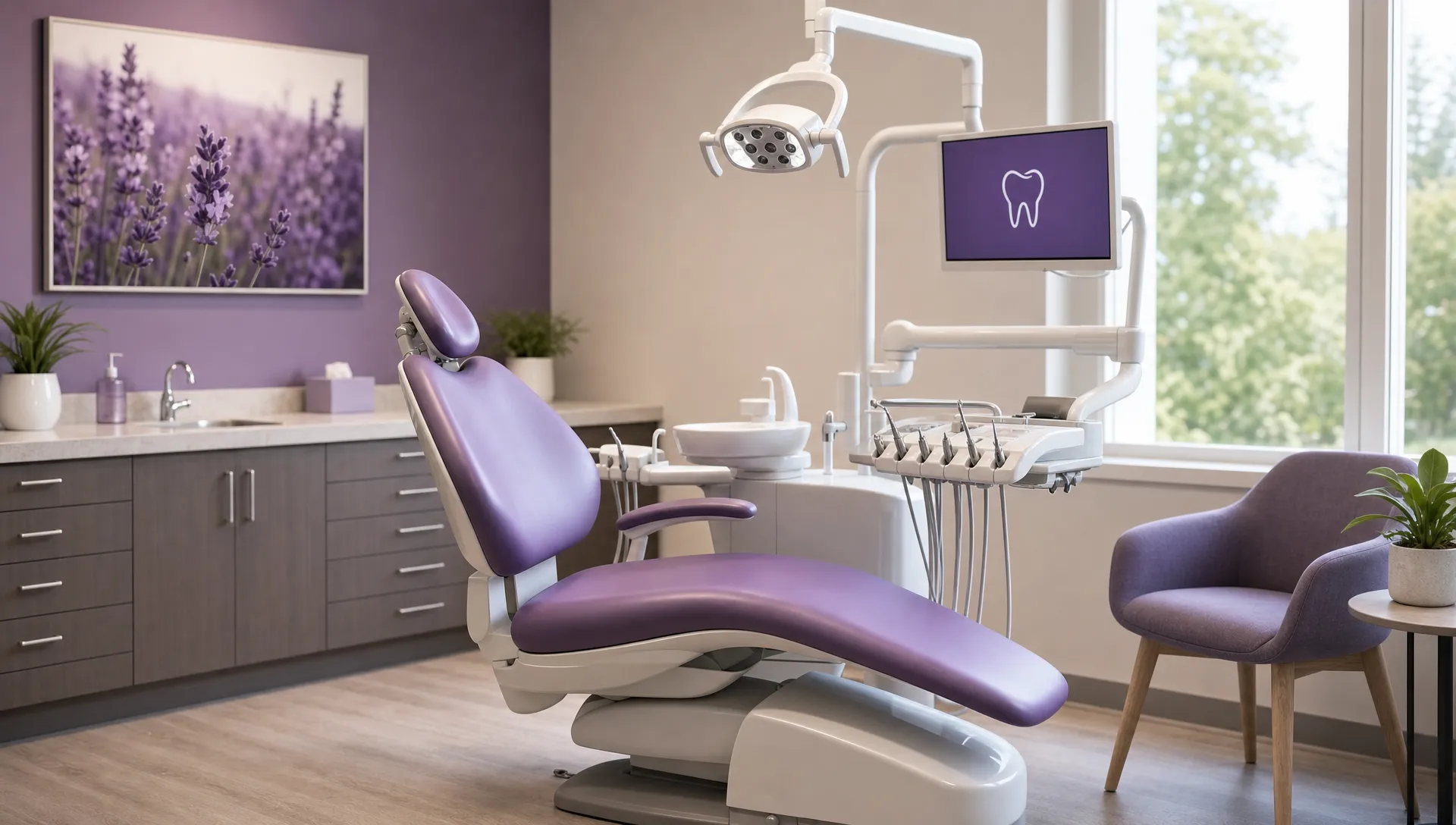
Some special needs patients can receive care comfortably with communication adjustments and a slower pace. Others need additional calming support. The goal is not to sedate every anxious patient. The goal is to choose the least burdensome option that helps the patient receive necessary care safely.
Origin Dental Wellness offers comfort-focused support, including NuCalm and sedation dentistry options. Dr. Toler evaluates these options in the context of the patient’s health history, treatment needs, anxiety level, and ability to tolerate care. For medically complex patients, this kind of judgment matters because calming methods should be selected thoughtfully.
NuCalm may be helpful for some patients who want a non-drug relaxation option, while sedation may be considered when anxiety, sensory overload, gagging, or treatment complexity makes care difficult. No comfort option is right for every person, and some patients may need a different care setting depending on their medical needs.
For a deeper explanation of calming options, see our guide on when sedation dentistry might be the answer.
Prevention that respects real life at home
For families and caregivers, the hardest part of oral health is often not the appointment. It is the daily routine at home.
A patient with sensory aversions may resist brushing. Someone with limited dexterity may need adaptive tools. A child with a restricted diet may have a higher cavity risk. An adult with dry mouth from medications may struggle with biofilm, irritation, or decay. A patient with gut or immune concerns may need oral care that supports the microbiome rather than disrupting it unnecessarily.
A biological prevention plan should be realistic. It should consider what the patient can tolerate, what the caregiver can sustain, and what the mouth is showing clinically. Instead of relying on generic advice, Dr. Toler may discuss patterns such as bleeding gums, plaque accumulation, dry mouth, enamel weakness, dietary exposures, oral pH, bacterial burden, or inflammation.
Prevention may include better brushing strategies, changes in timing or texture of oral care products, microbiome-aware hygiene, nutritional discussion, and more frequent monitoring when appropriate. As a Board Certified Holistic Nutritionist, Dr. Toler can consider diet and oral health together without reducing the conversation to sugar alone.
The goal is not perfection. The goal is a home care rhythm that supports oral and systemic wellness without creating daily battles.
When special needs patients may need a different setting
A gentler approach also means being honest about safety. Not every dental practice is the right setting for every patient, every procedure, or every medical condition.
Some patients may require hospital-based dentistry, a pediatric dental specialist, a special care dentistry clinic, or care coordinated with a physician or specialist. This can be especially important for patients with unstable medical conditions, complex anesthesia needs, severe behavioral distress, or procedures that require a higher level of monitoring.
A biological practice can still play an important role in helping patients and caregivers understand oral-systemic risk, material concerns, infection questions, and prevention options. But the patient’s safety and dignity should guide the setting of care.
If a patient has swelling, fever, uncontrolled bleeding, severe dental pain, trauma, or signs of infection, seek urgent evaluation. Online information cannot diagnose or replace individualized dental or medical care.
Choosing a Tulsa dentist for special needs
If you are in Tulsa, Broken Arrow, Jenks, Bixby, Owasso, Sand Springs, Oklahoma City, or traveling from a neighboring state, choosing a dentist for special needs involves more than asking whether the office is friendly.
Consider asking questions such as:
- How do you adapt visits for sensory-sensitive or anxious patients?
- How do you evaluate material compatibility or metal sensitivity concerns?
- What is your approach to fluoride-free prevention for high-risk patients?
- Do you use salivary, biofilm, or 3D imaging when it would change the care plan?
- How do you approach existing mercury fillings if removal is recommended?
- What comfort options are available if a patient cannot tolerate care otherwise?
The right fit should feel collaborative. You should be able to explain the patient’s needs without feeling rushed or dismissed. You should also receive honest guidance about what can be handled in that setting and what may require referral or coordination.
Frequently Asked Questions
What is dentistry for special needs? Dentistry for special needs is dental care adapted for patients who need additional support because of developmental, physical, medical, sensory, behavioral, emotional, or cognitive factors. In a biological practice, it also considers material sensitivity, the oral microbiome, and whole-body health.
Can adults receive special needs dental care? Yes. Special needs dentistry is not only for children. Adults with disabilities, medical complexity, sensory sensitivity, dental trauma, anxiety, immune concerns, or chemical sensitivities may also benefit from a more individualized approach.
Is sedation always needed for special needs dentistry? No. Many patients do well with slower pacing, communication adjustments, comfort planning, and consent-focused care. Sedation or NuCalm may be considered when appropriate, but Dr. Toler evaluates options based on the patient’s needs and health history.
How does a fluoride-free practice help patients with high cavity risk? Origin Dental Wellness uses a fluoride-free approach that focuses on personalized prevention, biofilm management, nutrition context, pH balance, and risk monitoring. Recommendations depend on the patient’s oral health, medical history, and tolerance for products or procedures.
What if a patient is sensitive to dental materials? Dr. Toler may discuss material history, symptoms, known allergies, and biocompatibility concerns. In some cases, compatibility testing such as MELISA may be considered, especially when metal sensitivity or systemic reactivity is part of the patient’s history.
Does Origin Dental Wellness treat every special needs case? Not every case is appropriate for every dental setting. Our team can discuss the patient’s needs and help determine whether the practice is a good fit or whether another setting may be safer.
A calmer next step for special needs dentistry in Tulsa
If dental care has felt too rushed, too toxic, too overwhelming, or too generic, a biological approach may offer a better starting point. Origin Dental Wellness serves Tulsa and the surrounding Oklahoma metro with care that considers comfort, biocompatibility, oral-systemic health, and the patient’s lived experience.
To explore whether Origin Dental Wellness is the right fit for your child, loved one, or yourself, contact our team to discuss your needs and schedule a comprehensive visit with Dr. Shannon Toler. Your care plan will be personalized after evaluation, with recommendations guided by your oral health, whole-body context, and comfort needs.