
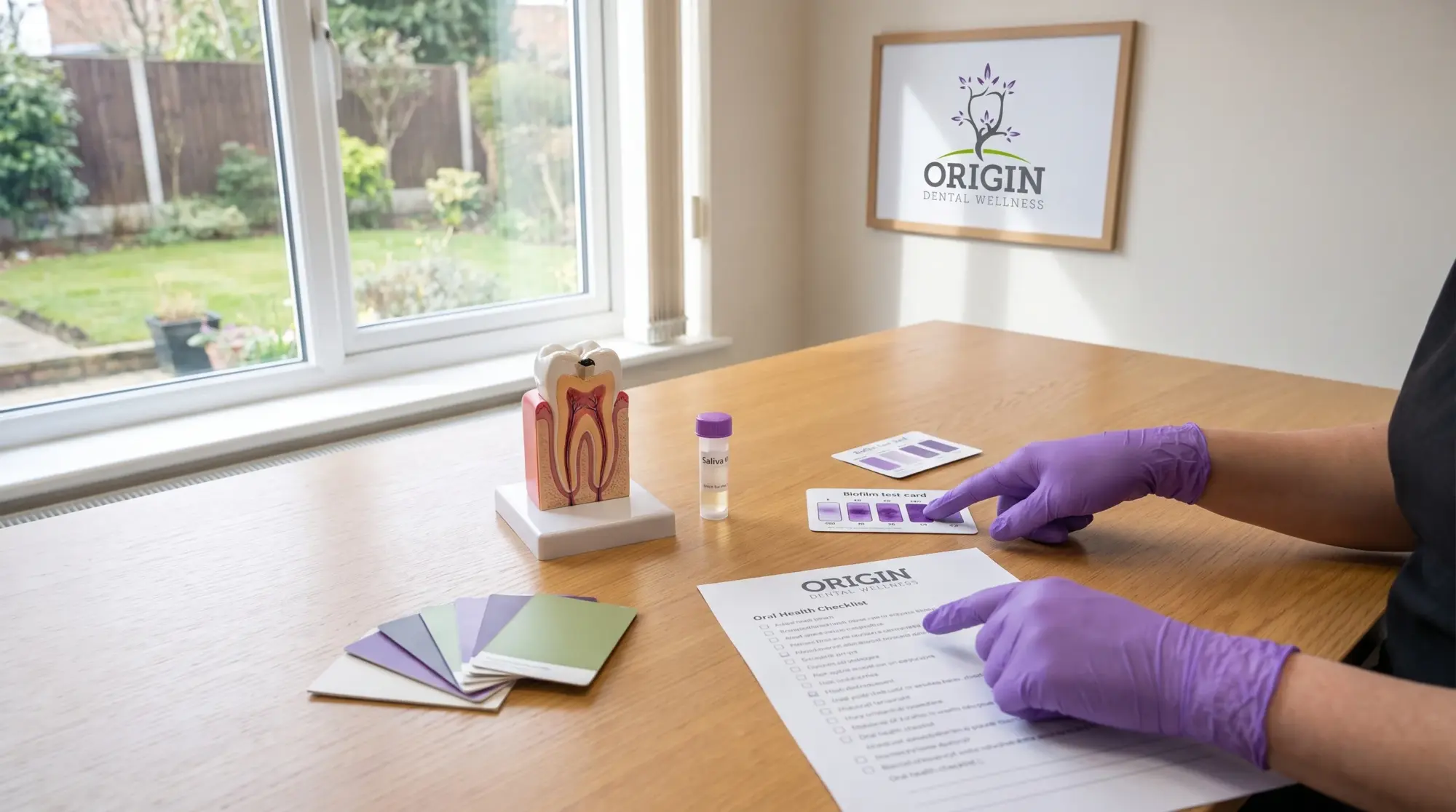
Not every ongoing health concern starts in the mouth. At the same time, the mouth is one of the most biologically active areas of the body, with its own microbiome, blood supply, nerves, immune activity, and exposure to dental materials. For some people in Tulsa and across Oklahoma, seeing a holistic dentist becomes important when health questions keep circling back to inflammation, sensitivity, fatigue, immune stress, or reactions to dental materials.
A holistic dental visit is not a replacement for your physician, functional medicine practitioner, or specialist. It is a way to ask a focused question: could oral infection, gum inflammation, biofilm imbalance, dental materials, or an unresolved tooth issue be adding stress to the body?
At Origin Dental Wellness, that question is approached through a biological lens. Dr. Shannon Toler, DDS, BCHN, AIAOMT, FAAOSH, FMRII, is a Biological Dentist and Board Certified Holistic Nutritionist, and her clinical approach considers the connection between oral health, material biocompatibility, inflammation, and whole-body wellness.
Why ongoing health concerns can have an oral component
The mouth is not separate from the rest of the body. Gum tissue, tooth roots, bone, saliva, bacteria, and dental materials all exist within the same immune and circulatory system that supports the rest of you.
This matters because some oral problems do not cause obvious dental pain at first. Gum inflammation may show up as bleeding when brushing. Biofilm imbalance may appear as persistent bad breath. A chronically irritated tooth may feel vague or intermittent. A material sensitivity may be hard to connect to dentistry if symptoms occur outside the mouth.
The National Institute of Dental and Craniofacial Research describes gum disease as an infection and inflammation of the tissues that support the teeth. From a biological dentistry perspective, that inflammation is important not only because it can damage oral tissues, but because it may add to the body's overall inflammatory burden.
That does not mean every chronic symptom is dental in origin. It means the mouth should be part of the investigation when symptoms remain unexplained, when inflammation is a recurring theme, or when previous dental work may be relevant.
Signs it may be time to see a holistic dentist
You do not need to wait for severe tooth pain to schedule a biological dental evaluation. Many patients seek holistic dentistry because they want a more complete look at what their mouth may be communicating.
| Ongoing concern | Why a biological dental evaluation may help | What may be considered |
|---|---|---|
| Bleeding gums, swelling, or persistent bad breath | These may point to gum inflammation or biofilm imbalance | Periodontal evaluation, hygiene strategy, salivary or biofilm diagnostics |
| Repeated cavities or failing restorations | Recurring breakdown can reflect pH, diet, saliva, materials, or bacterial patterns | Nutrition discussion, material review, preventive planning |
| Sensitivity to metals, chemicals, or dental products | Toxin-sensitive patients may react differently to materials or ingredients | Biocompatible material planning and possible hypersensitivity testing such as MELISA |
| Existing mercury amalgam fillings | Some patients want a mercury-safe, low-toxicity approach if removal is recommended | SMART-protocol mercury removal planning when appropriate |
| Immune, gut, or inflammatory health concerns | Oral inflammation and microbial imbalance may be one piece of a larger wellness picture | Oral-systemic review, gum and infection screening, microbiome-aware care |
| Old root canal-treated teeth or unresolved tooth symptoms | Some biological patients want to evaluate whether a tooth is still contributing to concern | 3D imaging when indicated and a discussion of alternatives aligned with the practice philosophy |
| Anxiety that has delayed dental care | Avoiding care can allow inflammation or infection to progress | A calmer visit plan, including support options such as NuCalm when appropriate |
If you see yourself in more than one of these categories, it may be worth looking beyond a traditional cavity check.
Gum inflammation is a common reason to look deeper
Gums that bleed easily are common, but they are not something to ignore. Bleeding is often a sign that the immune system is responding to bacteria along the gumline. In a conventional dental setting, the conversation may stop at brushing, flossing, and routine cleaning. Those habits matter, but a holistic dentist will also ask why the tissue is inflamed and what that inflammation may mean for the rest of the body.
This is where the oral-systemic connection becomes especially relevant. A patient-friendly overview from East Melbourne Dental Group explains the broader concern around oral inflammation and systemic inflammatory disease, including why regular hygiene care may support healthier gums and lower inflammatory burden.
At Origin Dental Wellness, the goal is not simply to polish teeth. The goal is to understand the health of the gum tissue, the quality of the oral biofilm, the patient's susceptibility, and the daily factors that may be keeping inflammation active. For patients who want more background, our article on the link between oral health and chronic disease expands on this oral-systemic perspective from a biological dental viewpoint.
When toxin sensitivity or material concerns are part of the picture
A major reason people seek a holistic dentist is concern about what is placed in the mouth. Dental materials are not just mechanical repairs. They live in a warm, wet, electrically active environment and may interact with saliva, tissues, immune response, and individual sensitivities.
This is especially relevant if you have:
- A history of metal sensitivity or jewelry reactions
- Concerns about mercury amalgam fillings
- Multiple old restorations made from unknown materials
- Autoimmune or inflammatory conditions where you want to reduce avoidable exposures
- A preference for fluoride-free, low-toxicity dental care
Origin Dental Wellness does not present amalgam, routine fluoride, or root canal therapy as default recommendations. Our approach is biological, biocompatible, and individualized. If mercury filling removal is recommended, Dr. Toler uses a safety-focused planning process aligned with SMART principles. The IAOMT's overview of the Safe Mercury Amalgam Removal Technique explains why precautions during removal matter for patients and dental teams.
For material-sensitive patients, the question is not, "What material does dentistry usually use?" The better question is, "What material makes sense for this patient's biology?" Depending on the situation, that may involve reviewing previous dental work, discussing biocompatible options, and considering hypersensitivity testing such as MELISA when clinically appropriate.

When unresolved dental history keeps coming up
Many adults have a complicated dental history: old fillings, crowns, extractions, root canal-treated teeth, gum therapy, orthodontics, implants, or years of patchwork repairs. If you have ongoing health concerns and a long dental history, a holistic dental evaluation can help organize the picture.
This does not mean past dental treatment is automatically the source of symptoms. It means old dentistry should be evaluated through today's understanding of materials, inflammation, bone health, and oral-systemic risk.
Cone beam CT imaging may be recommended when Dr. Toler needs a more complete three-dimensional view of teeth, bone, jaw structures, or areas that cannot be fully evaluated with standard images alone. Salivary and biofilm diagnostics may help clarify microbial patterns. A periodontal evaluation can show whether gum inflammation is active. Material review can identify restorations that may deserve closer attention.
Root canal questions are a common example. Origin Dental Wellness does not provide root canal therapy. Our practice approach is to evaluate compromised or infected teeth from a biological standpoint and discuss alternatives that align with the patient's overall health priorities. If this is part of your concern, our guide to holistic dentistry alternatives to root canals explains the philosophy in more detail.
When preventive care needs to be more personalized
Some patients do not come to a holistic dentist because they are sick. They come because they want prevention that matches their values.
That may include adults who are trying to live as nontoxically as possible, families who want a fluoride-free dental home, or health-curious patients who want to understand the "why" behind their oral patterns. If you have been told your teeth are "fine" but you keep noticing gum changes, sensitivity, dry mouth, recurring cavities, or reactions to products, a more personalized preventive plan may be useful.
Biological prevention may include attention to:
- Oral microbiome balance rather than only plaque removal
- Gum inflammation and bleeding trends
- Saliva quality, pH, and dry mouth patterns
- Nutrition and mineral support from a whole-body perspective
- Product ingredients and individual tolerance
- Biocompatible restorative choices when treatment is needed
This is where Dr. Toler's background as both a Biological Dentist and Board Certified Holistic Nutritionist becomes especially relevant. Nutritional status, blood sugar patterns, mineral intake, digestion, and inflammation can all influence the oral environment. Dentistry still has a clear scope of practice, but a biological approach is more likely to ask how the mouth fits into the larger terrain.
When to seek urgent care instead of waiting
Holistic dentistry is not about delaying necessary care. Some symptoms should be addressed promptly.
Seek urgent dental or medical attention if you have facial swelling, fever, trouble swallowing, trouble breathing, uncontrolled bleeding, trauma, or severe pain that is rapidly worsening. These symptoms may indicate infection or another condition that needs immediate evaluation.
If you are already under medical care for an immune-compromising condition, cancer therapy, uncontrolled diabetes, cardiovascular disease, pregnancy complications, or a complex inflammatory illness, coordinate dental decisions with your medical team. A holistic dentist can be part of the conversation, but should not replace appropriate medical diagnosis or treatment.
What to expect at Origin Dental Wellness
Patients visit Origin Dental Wellness from Tulsa, Broken Arrow, Jenks, Bixby, Owasso, Sand Springs, Oklahoma City, and neighboring states because they want a more comprehensive, biological dental perspective.
The new patient appointment is intentionally in-depth and is over $500. It is likely more comprehensive than many initial dental visits patients have experienced, because the purpose is not just to identify cavities. The purpose is to gather meaningful insight and provide customized recommendations for your oral and overall dental health priorities.
Treatment recommendations and pricing are discussed after Dr. Toler has evaluated your needs. Origin Dental Wellness is out-of-network for all insurance providers. Payment is due in full on the day of your appointment, and our team files with your insurance company so they can reimburse you at the out-of-network rate, subject to their approval. The practice does not directly offer financing or pay-over-time plans, but does accept the CareCredit credit card as a third-party option.
This model allows the practice to recommend care based on biological priorities rather than the likelihood of insurance coverage.
Frequently Asked Questions
Can a holistic dentist diagnose my ongoing health condition? No. A holistic dentist evaluates oral health factors that may be relevant to whole-body wellness, but medical diagnosis belongs with your physician or appropriate specialist. The value is in identifying oral inflammation, infection risk, material concerns, or dental history that may be worth addressing.
Should I see a holistic dentist if my gums bleed but nothing hurts? Yes, it can be wise to schedule an evaluation. Gum inflammation often does not cause pain in the early stages. A biological dental visit can help assess gum health, biofilm patterns, and prevention strategies before the problem becomes more advanced.
What if I have mercury fillings but no symptoms? You do not need to panic or attempt removal without proper planning. If removal is recommended or desired, Origin Dental Wellness uses a safety-focused biological approach. Dr. Toler evaluates your dental condition, health history, and priorities before recommending a plan.
Does Origin Dental Wellness use fluoride? Origin Dental Wellness is a fluoride-free practice. Prevention is approached through oral microbiome support, nutrition-aware education, gum health, saliva considerations, and individualized strategies rather than routine fluoride as a default.
When is a holistic dentist especially helpful for toxin-sensitive patients? A holistic dentist may be helpful when you have a history of metal sensitivity, chemical sensitivity, immune reactivity, concerns about dental materials, or a desire to avoid unnecessary exposures. The focus is on biocompatibility and individualized decision-making.
Ready to look at your health concerns through an oral-systemic lens?
If you are in Tulsa or anywhere in Oklahoma and you suspect your mouth may be part of a larger health puzzle, Origin Dental Wellness can help you explore that question from a biological dentistry perspective.
Dr. Shannon Toler and our team focus on biocompatible materials, low-toxicity care, oral-systemic connections, and individualized recommendations. Schedule a visit with Origin Dental Wellness to take a more complete look at your oral health and how it may relate to your overall wellness goals.