
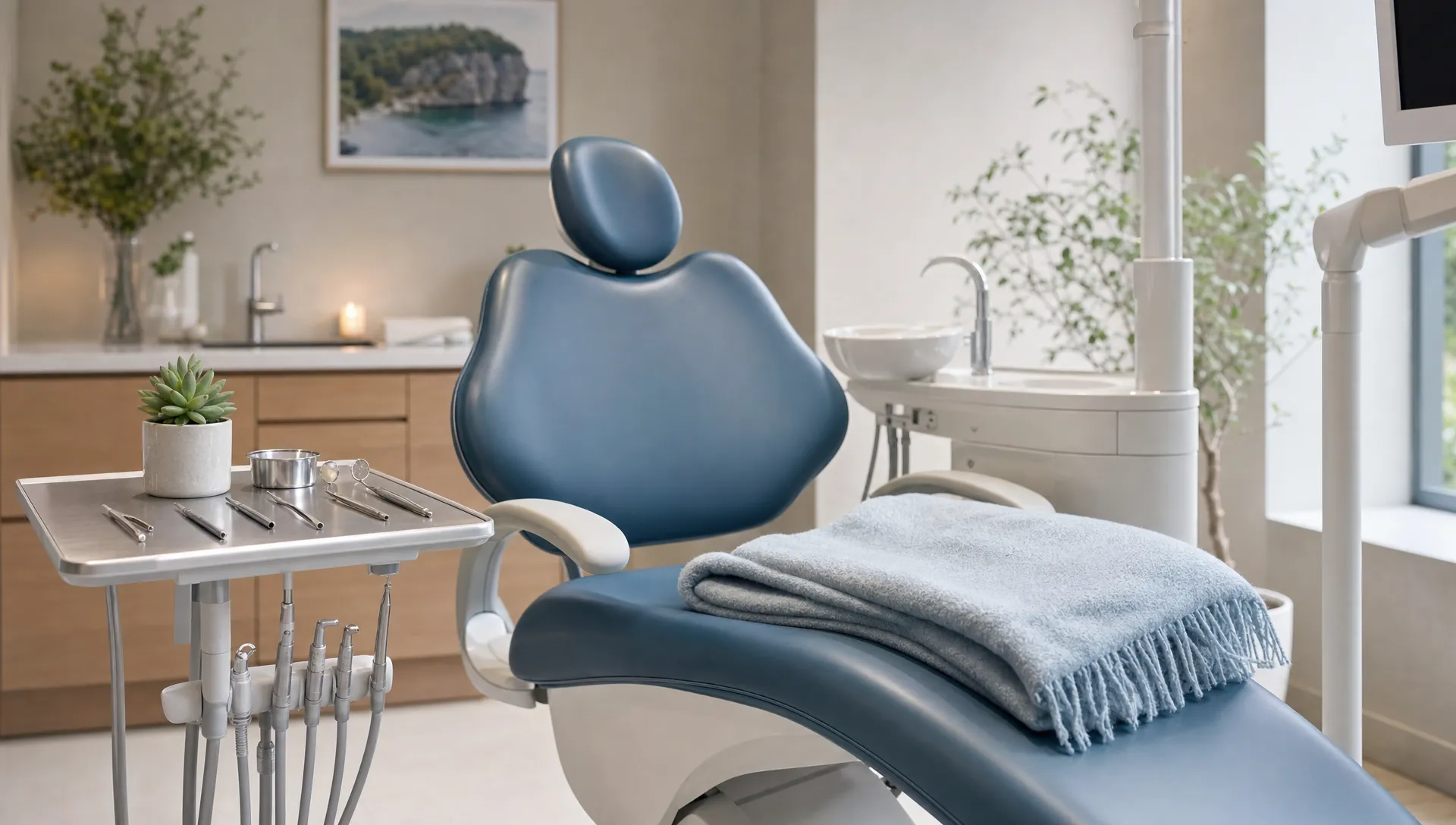
For many anxious patients, the hardest part of dentistry is not the procedure. It is scheduling the appointment, sitting in the chair, hearing unfamiliar sounds, or wondering if they will be judged for how long it has been since their last visit.
Comfortable dental care changes that experience. It does not mean ignoring clinical needs or simply adding a softer chair. It means creating an environment where patients feel informed, respected, physically supported, and in control. For people who feel nervous, embarrassed, sensitive to dental sensations, or fearful because of past experiences, that difference can be the reason they finally receive the care they need.
Dental anxiety is common, and it deserves compassionate care
Dental anxiety can range from mild nervousness to intense fear that causes people to avoid care for years. The Cleveland Clinic notes that dentophobia can lead people to delay or avoid dental visits, which can allow small issues to become more complex over time.
That avoidance is not a character flaw. Many patients have a reason for their fear. Some remember a painful childhood dental visit. Others are sensitive to sounds, tastes, smells, or the feeling of not being able to speak during treatment. Some worry about bad news, cost, needles, gagging, or being lectured.
A comfortable dental care approach begins by acknowledging those concerns as real. When the dental team understands that anxiety affects the nervous system, communication, and pain perception, care becomes more collaborative. The goal is not to force someone through an appointment. The goal is to help the patient feel safe enough to participate in their own health.
That matters in a holistic dental setting because oral health is not isolated from the rest of the body. Origin Dental Wellness emphasizes health-centered dentistry, an approach that looks at the mouth as part of overall wellness rather than treating teeth as separate from the person.
What comfortable dental care actually means
Comfortable dental care is a blend of environment, communication, technique, and trust. It is not one single amenity. It is a patient-centered process that reduces uncertainty and gives the patient a voice.
In practice, this may include explaining what will happen before it happens, offering breaks, checking in often, using gentle techniques, discussing material choices, and creating a calmer sensory environment. In a biological or holistic dental office, it can also include attention to biocompatible materials, diagnostic information, and whole-body considerations that help patients understand the why behind their treatment plan.
Comfort also comes from personalization. People tend to feel more relaxed in care settings when the provider first understands their preferences and goals. You can see a similar principle in other personal wellness experiences, such as a customized scalp or style service at Kimistry Hair Boutique, where the experience is shaped around the individual rather than treated as one-size-fits-all. Dentistry is different, of course, but anxious patients benefit from the same core idea: care feels safer when it is tailored to the person receiving it.
How comfort helps anxious patients feel safer
Dental anxiety often gets worse when a patient feels trapped, surprised, or unheard. Comfortable dental care works by addressing those triggers before they build into panic.
Predictability lowers the fear of the unknown
Anxious patients often imagine the worst when they do not know what is happening. Clear explanations help replace fear with information. A dentist or hygienist can describe what a tool does, how long a step may take, what sensations are normal, and when the patient can expect a pause.
This kind of communication is especially helpful during a first visit or before a complex procedure. It gives the brain something concrete to focus on instead of filling the silence with worry.
Control helps the body relax
One of the most stressful parts of dental care is feeling unable to stop once treatment begins. A simple stop signal can make a major difference. When patients know they can raise a hand, pause, swallow, ask a question, or take a breath, the chair feels less like a place where things happen to them and more like a place where care happens with them.
Control does not mean the patient has to manage the appointment alone. It means the dental team invites participation and keeps consent active throughout the visit.
Gentle technique reduces anticipated pain
Fear of pain is one of the biggest reasons people avoid the dentist. Comfortable dental care pays attention to pacing, tissue handling, local anesthesia when appropriate, and patient feedback. Even small choices, such as warming instruments, using suction thoughtfully, or pausing during sensitive moments, can change how the body responds.
For some patients, the anticipation of pain is worse than the actual sensation. A calm team that checks in regularly can help interrupt that cycle.
Trust reduces shame
Many anxious patients also carry embarrassment. They may worry that the dentist will criticize them for cavities, gum disease, broken teeth, old dental work, or avoiding visits. A non-judgmental tone is not just kind. It is clinically useful because patients are more likely to share accurate information when they feel safe.
Trust is built through consistency, transparency, and respect. Origin Dental Wellness has written about the importance of trust between patients and healthcare providers, which is especially important for patients who have had confusing or upsetting medical experiences in the past.
| Anxiety trigger | Comfortable dental care response | Why it helps |
|---|---|---|
| Fear of the unknown | Clear explanations before and during care | Replaces uncertainty with predictable steps |
| Feeling trapped | Stop signals, breaks, and consent-based pacing | Restores a sense of control |
| Sensory overload | Calmer environment and gentle technique | Helps reduce nervous system activation |
| Fear of judgment | Respectful, non-shaming communication | Makes honest conversation easier |
| Concern about materials or procedures | Discussion of options and whole-body considerations | Helps patients make informed decisions |
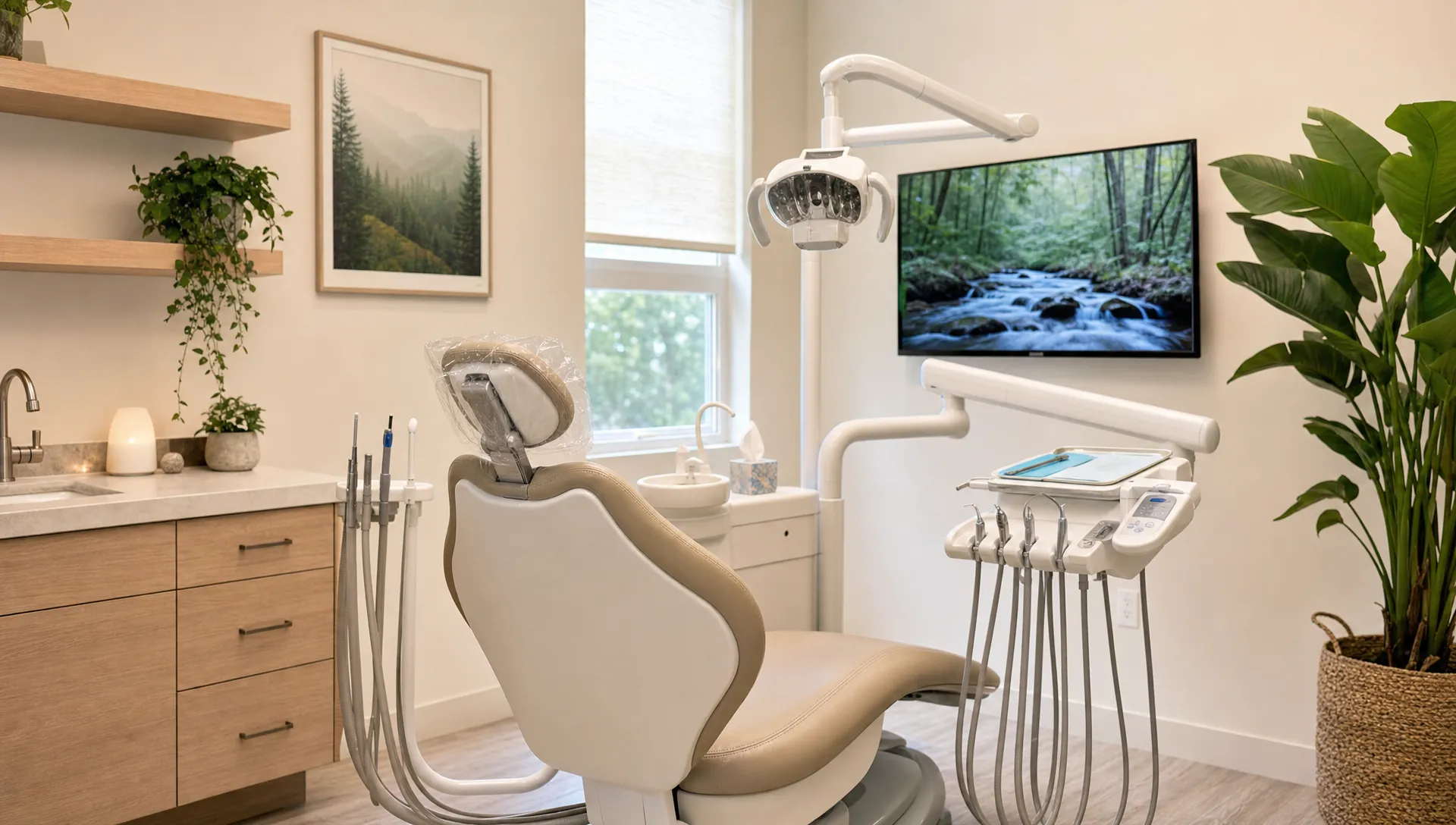
Why a holistic approach can be especially reassuring
For some anxious patients, fear is not only about discomfort. It is also about wondering what is going into their body, why a procedure is being recommended, or whether their dental care aligns with their health values.
A holistic dental approach can help by making those conversations part of care. Origin Dental Wellness focuses on biological dentistry, patient-centered decisions, and materials chosen with biocompatibility in mind. For a patient who is nervous about conventional dental experiences, that added transparency can feel grounding.
Examples of comfort-supporting holistic practices may include salivary diagnostics, oral biofilm testing, ozone therapies, and the use of PRP or PRF in appropriate surgical healing contexts. These tools are not about promising a completely stress-free experience. They are about gathering better information, supporting the body thoughtfully, and helping patients understand the reasoning behind recommendations.
For patients concerned about existing dental materials, safe mercury removal protocols and biocompatible restorative options may also reduce anxiety because the process is discussed intentionally. When a patient knows what precautions are being considered and why, the appointment can feel less mysterious.
How anxious patients can prepare for a more comfortable visit
The right dental team should help create comfort, but patients can also take steps before the appointment to make the experience easier. A little preparation can lower stress and help the team support you more effectively.
- Tell the office when you schedule that you feel anxious and share any known triggers.
- Ask whether the first visit can include extra time for conversation and questions.
- Agree on a stop signal before treatment begins.
- Write down your biggest concerns so you do not have to remember them under stress.
- Schedule at a time of day when you usually feel calmer and less rushed.
- Plan a quiet buffer afterward so you are not moving straight from dental care into another stressful task.
If you have avoided the dentist for years, you do not need to apologize. Start with honesty. A compassionate dental team has seen many versions of delayed care and can help you take the next step without shame.
What comfortable dental care can look like at Origin Dental Wellness
At Origin Dental Wellness in Tulsa, comfort is connected to the practice philosophy: dentistry should support the whole person, not just fix isolated symptoms. That includes preventative, restorative, periodontal, cosmetic, and oral surgery care offered through a biological lens.
For anxious patients, the experience may begin with being heard. What happened in the past? What are you most worried about? Do you need extra explanation? Are you sensitive to certain materials, tastes, sounds, or procedures? These questions matter because they help shape care around the patient rather than expecting every patient to tolerate the same experience in the same way.
Origin has also introduced Maggie, the practice therapy dog, as part of its commitment to patient comfort. Patients who want to learn more can meet her through the practice’s introduction to Maggie and her role in comforting patients.
Comfortable care also includes being honest about what is possible. A dental team should not minimize real dental problems or promise that every visit will feel effortless. Instead, the most reassuring approach is clear, respectful, and steady: here is what we see, here is what it means, here are your options, and here is how we will help you through it.
Frequently Asked Questions
What is comfortable dental care? Comfortable dental care is dentistry designed to reduce fear, discomfort, and uncertainty. It includes clear communication, gentle technique, patient choice, breaks when needed, and a calm, respectful environment.
Can comfortable dental care help if I have avoided the dentist for years? Yes. A patient-centered dental team can help you start with an exam, conversation, and realistic plan. You do not have to complete every treatment at once, and you should not be shamed for delaying care.
Should I tell my dentist that I have dental anxiety? Yes. Telling the team allows them to adjust communication, pacing, and comfort measures. It also helps them avoid surprises that could increase your stress during the visit.
Is holistic dentistry better for anxious patients? It can be helpful for patients who want a whole-body perspective, more discussion about materials, and a more personalized approach. The most important factor is finding a dental team that listens, explains, and respects your concerns.
What if I am embarrassed about my teeth? A compassionate dentist should focus on helping you move forward, not judging your past. Dental problems are common, and the purpose of an appointment is to understand what is happening and create a path toward better health.
Take the next step toward calmer dental care
If anxiety has kept you away from the dentist, you are not alone, and you do not have to push through fear without support. Comfortable dental care can help you feel informed, respected, and more in control from the first conversation.
Origin Dental Wellness offers holistic, health-centered dental care for patients in Tulsa and the surrounding area. If you are ready for a different kind of dental experience, visit Origin Dental Wellness to learn more about the practice and take the first step toward care that considers your comfort and your whole-body health.