
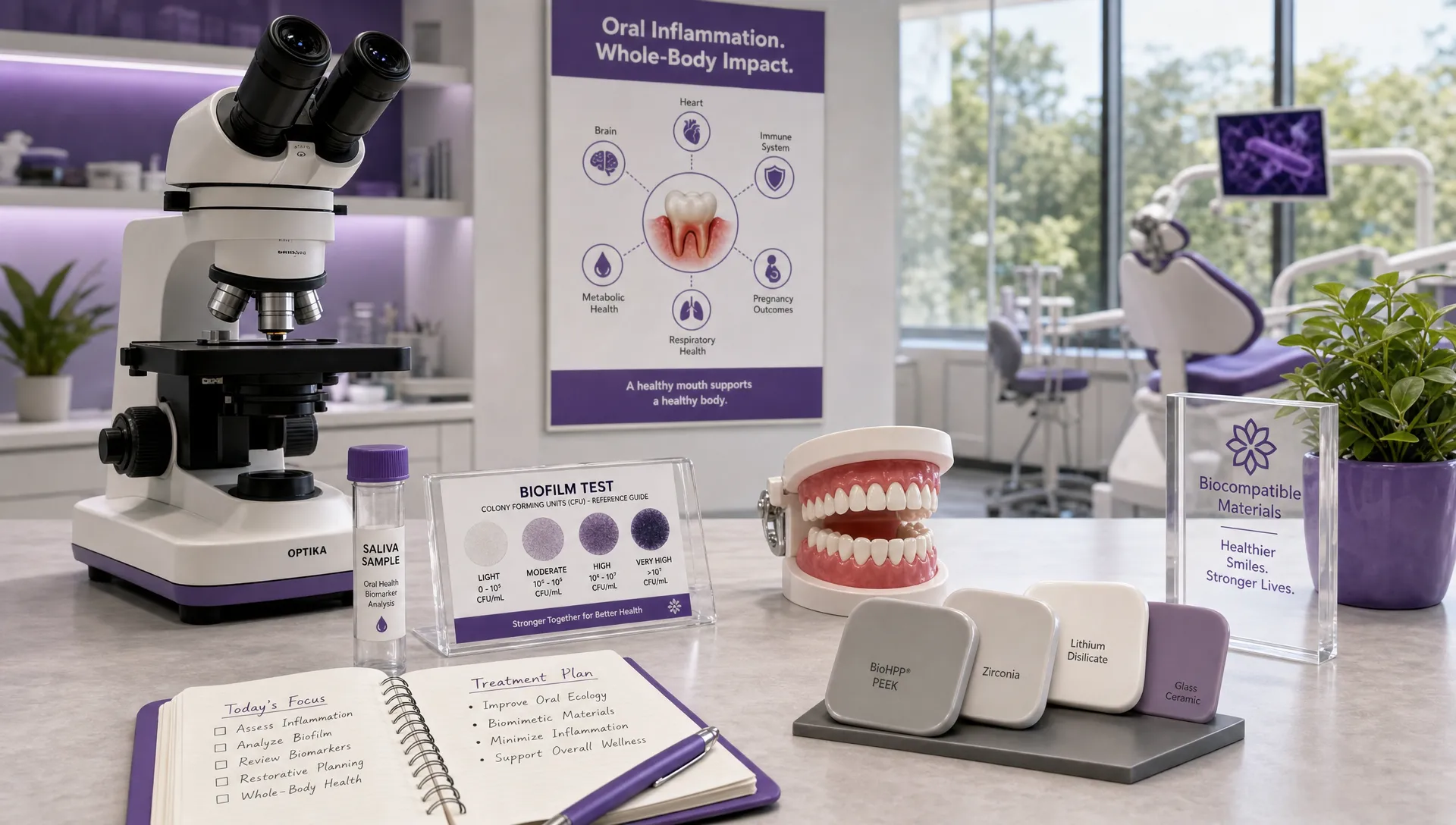
For many adults in Tulsa and throughout Oklahoma, dental health is becoming part of a bigger wellness conversation. Bleeding gums, chronic bad breath, sensitive teeth, old dental materials, and recurring inflammation can feel like separate problems, but from a biological dentistry perspective, they may all be clues about how the mouth is interacting with the immune system.
Inflammation is not automatically bad. It is one of the ways your body responds to injury, infection, irritation, and microbial imbalance. The concern is when inflammation becomes persistent, especially in a place as biologically active as the mouth. Your gums, saliva, oral microbiome, jawbone, airway, and dental materials all sit at a busy intersection between the outside world and your internal immune defenses.
At Origin Dental Wellness, Shannon Toler, DDS, BCHN, AIAOMT, FAAOSH, FMRII approaches dental care through that oral-systemic lens. The goal is not simply to fix teeth, but to ask how dental health, biocompatibility, oral microbes, and inflammation may be affecting the whole person.
Your mouth is an immune gateway
The mouth is not sealed off from the rest of the body. It is a living ecosystem lined with mucous membranes, supplied by blood vessels, and constantly exposed to food, bacteria, fungi, viruses, environmental chemicals, and dental materials. Every day, your immune system monitors what is happening there.
The gums are especially important because they form the seal around each tooth. When biofilm, the sticky microbial layer on teeth, becomes imbalanced or left undisturbed, the gum tissue can become irritated. The National Institute of Dental and Craniofacial Research describes gum disease as an infection of the tissues that hold teeth in place, often linked to plaque buildup and inflammation.
In biological dentistry, this matters because gum inflammation is not just a local nuisance. Inflamed gum tissue can bleed, develop deeper pockets, and create an environment where microbial byproducts and inflammatory signals have easier access to circulation. That does not mean every health issue starts in the mouth. It does mean the mouth is one modifiable place to investigate when someone is working to reduce their overall inflammatory burden.
This is why a health-centered dental visit looks beyond cavities. It considers gum health, saliva, oral pH, biofilm behavior, material compatibility, bone health, nutrition, airway factors, and the patient’s broader health history. If you want a deeper overview of this philosophy, Origin has also explained why complete health dentistry looks beyond teeth.
How oral inflammation can influence immune load
The immune system is designed to respond quickly, then resolve. Problems arise when it has to keep responding to the same trigger again and again. In the mouth, that trigger may be unmanaged periodontal inflammation, a chronically irritated gum pocket, an infected or non-vital tooth, a material sensitivity, or a disrupted oral microbiome.
A PubMed-indexed review on periodontitis and systemic inflammation discusses how periodontal disease involves microbial imbalance and immune dysregulation, with potential inflammatory effects beyond the mouth. For patients, the practical takeaway is not fear. It is awareness. If gums bleed regularly, if breath changes persist, or if periodontal pockets are worsening, the immune system may be dealing with a chronic oral stressor.
Here is a simple way to think about common oral factors from a biological perspective:
| Oral factor | Why it may matter for inflammation and immunity | Biological dentistry focus |
|---|---|---|
| Bleeding gums | Bleeding suggests inflamed tissue and possible biofilm imbalance | Identify microbial patterns, improve home care, address periodontal risk |
| Deep gum pockets | Pockets can shelter anaerobic bacteria and make cleaning harder | Measure, monitor, and treat the underlying biofilm environment |
| Dry mouth | Low saliva can reduce natural buffering and microbial balance | Explore hydration, medications, airway, pH, and saliva quality |
| Old or reactive materials | Some patients are concerned about metals, mercury, or sensitivities | Consider biocompatibility, hypersensitivity testing, and safer material choices |
| Non-vital or infected teeth | Chronic dental infection may challenge immune resilience | Evaluate with appropriate imaging and discuss biologically aligned options |
The key word is context. Biological dentistry does not assume that one oral finding explains every systemic symptom. Instead, it asks better questions and uses more complete diagnostics so patients can make informed decisions.
The oral microbiome is not something to sterilize
A healthy mouth is not germ-free. It is balanced. The oral microbiome includes many organisms that can coexist peacefully when saliva flow, diet, oxygen levels, pH, and hygiene habits are supportive. Trouble often begins when the environment shifts in favor of more inflammatory biofilm.
That is one reason Origin Dental Wellness takes a microbiome-aware, fluoride-free approach. Our practice’s approach is not to simply kill everything in the mouth, but to support a healthier oral terrain. That may include looking at diet patterns, refined carbohydrate exposure, dry mouth, mouth breathing, gum pocketing, and biofilm behavior.
For some patients, seeing the biofilm can be eye-opening. Origin Dental Wellness may use microscopic evaluation to help patients understand whether their plaque appears balanced or more inflammatory. You can learn more about this in the article on what we can see when examining plaque biofilm under a microscope.

Material choices can matter for sensitive immune systems
For toxin-sensitive patients, dental health is not only about bacteria. It is also about what materials are placed in the mouth and how the body responds to them. Some patients come to Origin Dental Wellness because they are concerned about mercury amalgam fillings, metal allergies, fluoride exposure, or a history of immune reactivity.
Dr. Toler evaluates dental materials through a biocompatibility lens. When appropriate, this may include discussion of hypersensitivity testing such as MELISA testing, material selection, and whether a patient’s existing restorations could be contributing to irritation or immune stress. This does not mean every material is a problem for every person. It means material choice should be personalized, especially for patients with complex health histories.
For patients with mercury amalgam fillings, Origin Dental Wellness follows safety-conscious principles when removal is recommended. The IAOMT Safe Mercury Amalgam Removal Technique outlines protective measures intended to reduce mercury exposure during amalgam removal. Our practice’s approach is mercury-free and aligned with biological dental principles.
Root canal treated teeth are another area where our philosophy differs from conventional defaults. Origin Dental Wellness does not recommend root canal therapy as a preferred approach. Instead, Dr. Toler evaluates each situation with attention to infection risk, bone health, symptoms, imaging findings, and the patient’s broader health goals. Cone beam CT may be used when clinically appropriate to better understand jawbone and tooth conditions in three dimensions.
Dental health, nutrition, and immune resilience are connected
Because Dr. Toler is also a Board Certified Holistic Nutritionist, dental conversations at Origin Dental Wellness may include more than brushing and flossing. Nutrient status, blood sugar patterns, hydration, protein intake, mineral availability, and gut health can all influence how oral tissues respond and repair.
For example, gums need adequate nutrients to maintain tissue integrity. Saliva depends on hydration and nervous system balance. The oral microbiome responds to what you eat and how often you eat. Patients with gut concerns, autoimmune challenges, or immune compromise often benefit from a dental approach that respects these connections rather than treating the mouth as a separate machine.
This is also where daily environment matters. A lower-toxicity lifestyle is easier when the basics are stable, including sleep, food preparation, stress management, and a comfortable place to live. For families making major life transitions outside Oklahoma, even resources such as affordable manufactured home options in San Antonio can be part of a broader conversation about creating a home base that supports healthier routines.
Practical habits that reduce oral inflammatory stress
Biological dentistry is not only about advanced diagnostics. It also depends on consistent daily habits that support a balanced oral ecosystem. The goal is to reduce inflammatory triggers without disrupting the body’s natural defenses.
Start with the basics: brush gently but thoroughly, clean between the teeth daily, pay attention to bleeding, and avoid letting tenderness or swelling become normal. If your gums bleed every time you floss, that is not a reason to stop. It is a reason to be evaluated and to learn what kind of biofilm or gum inflammation may be present.
Diet also matters. Frequent snacking, sugary drinks, highly refined carbohydrates, and dry mouth can shift the oral environment. A mineral-rich, protein-supportive, whole-food pattern may better support tissue repair and saliva quality. For a practical look at everyday routines, see Origin’s guide to healthy dental habits that protect more than teeth.
For Tulsa-area patients, this approach can be especially helpful when they have already tried routine cleanings but still feel like something is missing. A biological evaluation may uncover biofilm patterns, material concerns, airway issues, nutritional factors, or infection risks that deserve a more complete conversation.
Signs your mouth may be adding to inflammatory burden
You do not need to wait for severe pain to investigate dental health. Many inflammatory dental issues develop quietly. Periodontal disease, failing restorations, jawbone concerns, and tooth infections can sometimes progress with mild symptoms or no obvious symptoms at all.
Consider scheduling a comprehensive evaluation if you notice persistent bleeding gums, recurring bad breath, gum recession, loose teeth, swelling, pus, unexplained tooth tenderness, a bad taste, or a history of dental infections. It is also reasonable to seek a biological dental opinion if you have mercury fillings, multiple metal restorations, past root canal treated teeth, known chemical sensitivities, autoimmune issues, or chronic inflammation that has not been fully explained.
A dental visit is not a substitute for medical care. But it can be a valuable part of a collaborative, whole-body health plan. The mouth is one of the few places where microbial imbalance, structural health, materials, and immune response can all be evaluated directly.
Frequently Asked Questions
Can poor dental health affect the immune system? Poor dental health can contribute to ongoing immune activation when gum inflammation, infection, or biofilm imbalance is present. It does not mean every immune problem is dental in origin, but the mouth is an important place to evaluate when looking for modifiable inflammatory stressors.
Why do bleeding gums matter for inflammation? Bleeding gums usually indicate irritated or inflamed tissue. From a biological perspective, that matters because inflamed gum tissue may reflect an imbalanced biofilm and a local immune response that deserves attention.
Is biological dentistry different from conventional dentistry? Yes. Biological dentistry looks at teeth, gums, materials, microbes, nutrition, airway, and systemic health together. At Origin Dental Wellness, the approach includes biocompatible materials, fluoride-free care, microbiome awareness, and safety-conscious protocols such as SMART-aligned mercury removal when appropriate.
Do you recommend fluoride for immune-sensitive patients? Origin Dental Wellness is a fluoride-free practice. Our approach focuses on supporting the oral microbiome, reducing inflammatory biofilm, improving nutrition and saliva quality, and using individualized prevention strategies rather than routine fluoride recommendations.
What if I have old mercury fillings or root canal treated teeth? Dr. Toler can evaluate your dental history, current symptoms, imaging, materials, and health goals. If treatment is recommended, options are discussed in the context of your whole-body health, biocompatibility, and safety.
Take the next step toward health-centered dentistry in Tulsa
If you are trying to reduce inflammation, support immunity, or make more informed choices about dental materials, your mouth deserves a closer look. Origin Dental Wellness serves Tulsa, Broken Arrow, Jenks, Bixby, Owasso, Sand Springs, Oklahoma City patients, and individuals who travel from neighboring states for biological dental care.
To explore a more comprehensive, low-toxicity approach to dental health, visit Origin Dental Wellness and learn how Dr. Shannon Toler and our team can help you understand what your mouth may be telling you about your whole-body wellness.