
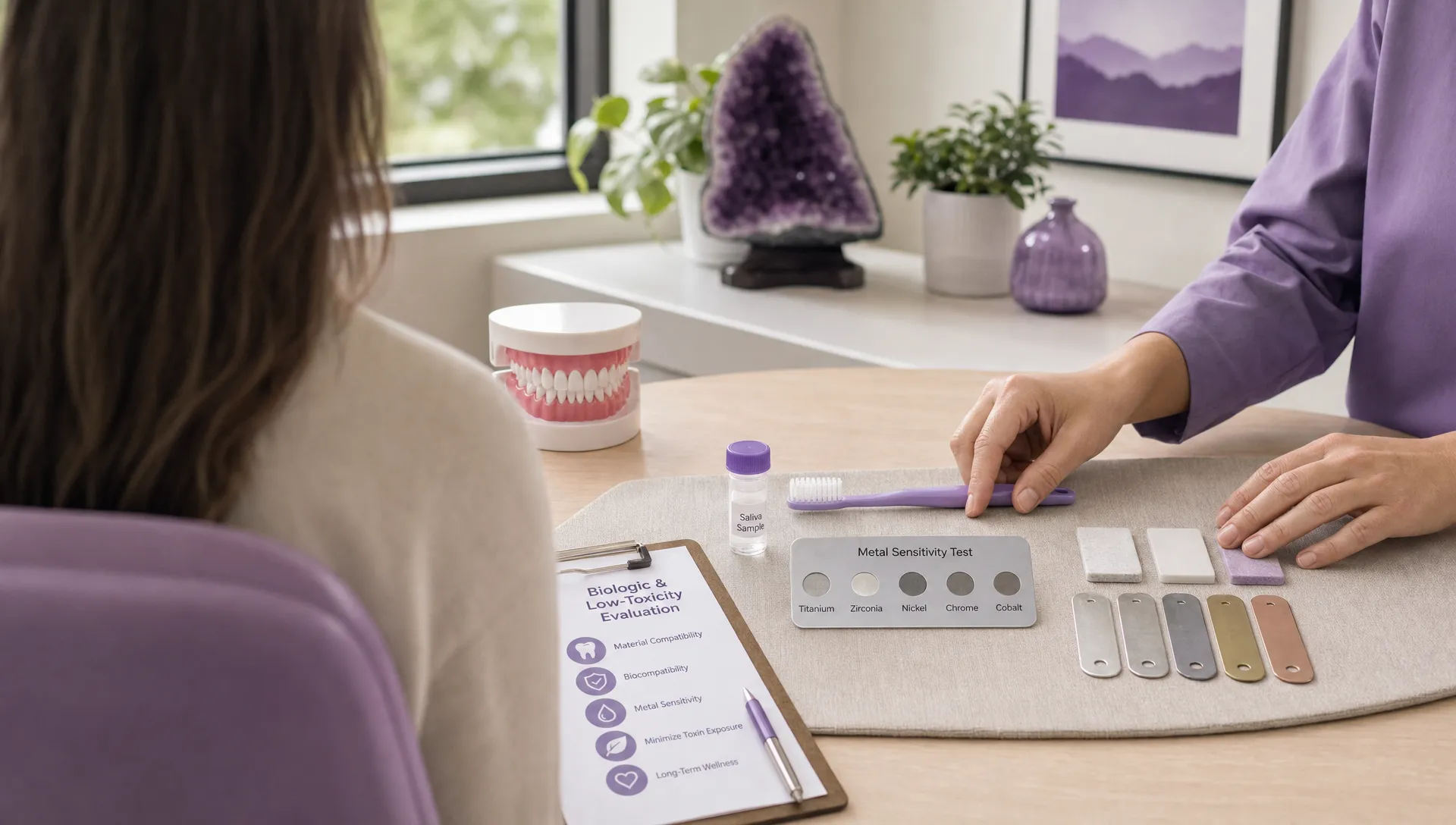
If you are toxin-sensitive, dental care can feel more complicated than scheduling a cleaning or filling. Patients in Tulsa and across Oklahoma often come to Origin Dental Wellness after years of reacting strongly to metals, fragrances, medications, dental materials, fluoride, or even the stress of a conventional dental visit.
Biological dental care starts from a different question: what will support this person's mouth while respecting the rest of the body? For toxin-sensitive patients, that means thinking about biocompatibility, oral inflammation, mercury exposure, airway and nervous system stress, the oral microbiome, and the materials placed in the mouth.
At Origin Dental Wellness, Shannon Toler, DDS, BCHN, AIAOMT, FAAOSH, FMRII, brings both biological dentistry and board certified holistic nutrition training to this process. The goal is not to make one-size-fits-all promises. It is to make dental decisions more carefully, with fewer avoidable exposures and more attention to the oral-systemic connection.
Why toxin-sensitive patients often need a different approach
Toxin sensitivity is not one single diagnosis. Some patients identify as chemically sensitive. Others have autoimmune issues, mast cell concerns, allergies, gut dysfunction, chronic inflammation, or a long history of unexplained reactions. Some simply know they do better when their environment and healthcare choices are as low-toxicity as possible.
In dentistry, sensitive patients may be concerned about:
- Mercury vapor or particles when old amalgam fillings are drilled
- Metals used in crowns, implants, partials, or older restorations
- Fluoride exposure, especially when they prefer a fluoride-free lifestyle
- Dental cements, bonding agents, acrylics, or resin-based materials
- Fragrances, latex, disinfectants, or strong tastes and odors
- The inflammatory burden of gum disease, failing dental work, or chronic oral infection
The mouth is not isolated from the rest of the body. The National Institute of Dental and Craniofacial Research describes oral health as essential to overall health and quality of life in its Oral Health in America report. From a biological perspective, this matters because toxin-sensitive patients often have less tolerance for cumulative stressors. A material, infection, or inflammatory trigger that one person handles well may be more difficult for another.
That is why biological dental care focuses on reducing unnecessary exposure while still addressing real dental disease. Avoiding care altogether can allow decay, gum infection, or failing restorations to worsen. A better goal is thoughtful care that protects the teeth and gums while accounting for the patient's whole-body context.
The biological difference: lowering exposure before treatment begins
A biological dental visit is not just conventional dentistry with more natural language. It changes how the practice evaluates risk, chooses materials, plans procedures, and supports healing.
Biocompatibility comes first
For toxin-sensitive patients, the material placed in the mouth matters. Dental materials can stay in contact with saliva, gum tissue, bone, and the immune system for years. Origin's approach is to consider the patient's health history, previous reactions, known allergies, and treatment goals before selecting restorative materials.
When clinically appropriate, Dr. Toler may discuss hypersensitivity testing, including options such as MELISA testing, to help guide material selection. Testing does not guarantee that a patient will never react, but it can provide another layer of information for people with a history of sensitivities or metal concerns.
This is especially important for patients considering crowns, fillings, implants, bridges, or replacement of older dental work. The most durable material is not always the best choice if it does not match the patient's biology.
Mercury removal is handled with exposure reduction in mind
Many toxin-sensitive patients ask about old silver-colored amalgam fillings. The concern is not only whether to replace them, but how removal is performed if replacement is recommended. The FDA notes that dental amalgam releases small amounts of mercury vapor and has issued recommendations for certain higher-risk groups on its dental amalgam information page.
At Origin Dental Wellness, mercury removal is approached through a biological lens, using SMART-protocol principles when removal is clinically appropriate. The IAOMT's Safe Mercury Amalgam Removal Technique is designed to reduce mercury exposure for the patient, dental team, and environment during the removal process.
For toxin-sensitive patients, this type of planning can make a major difference in confidence and comfort. The focus is not rushed replacement. It is careful sequencing, protective technique, and a restorative plan that uses materials selected with the patient in mind.
Prevention is fluoride-free and microbiome-aware
Origin Dental Wellness takes a fluoride-free approach. Instead of relying on routine fluoride as the default, biological dental care looks at the bigger prevention picture: saliva quality, mineral balance, diet, pH, breathing patterns, home care, biofilm, and inflammation.
This does not mean ignoring cavity risk. It means asking why the mouth is vulnerable in the first place. A patient with dry mouth, mouth breathing, acidic beverages, mineral depletion, or high-risk oral bacteria may need a more personalized prevention plan than a standard cleaning and fluoride varnish.
A microbiome-aware approach also recognizes that the goal is not to sterilize the mouth. The goal is to help the oral ecosystem become more balanced so harmful biofilm and gum inflammation are less likely to drive problems. If you want a broader look at how routine services shift in this model, Origin's article on how general dentistry changes in a biological practice explains that difference in more detail.
Chronic infection is taken seriously
Toxin-sensitive and immune-compromised patients often want to understand whether hidden oral infection may be adding to their inflammatory burden. Biological dentistry pays close attention to periodontal disease, failing restorations, cavitations, non-vital teeth, and other sources of chronic stress in the mouth.
Origin's clinical philosophy is also to avoid root canal therapy. This is not presented as a universal claim that every root canal causes systemic illness. Rather, it reflects the practice's risk-reduction approach for patients who are concerned about chronic infection and immune burden. When a tooth is severely infected or non-vital, Dr. Toler discusses biological alternatives and the patient's overall health context. For more on that philosophy, see Origin's explanation of why biological dentists recommend avoiding root canals.
| Toxin-sensitive concern | Biological dental response | Why it may help |
|---|---|---|
| History of material reactions | Biocompatibility review and possible hypersensitivity testing | Helps guide material selection before treatment |
| Existing mercury amalgams | SMART-protocol removal when replacement is recommended | Reduces avoidable exposure during drilling |
| Fluoride concerns | Fluoride-free prevention strategy | Aligns prevention with the patient's low-toxicity goals |
| Gum inflammation or biofilm | Periodontal evaluation, salivary or biofilm diagnostics when appropriate | Looks for inflammatory drivers rather than only symptoms |
| Anxiety or nervous system sensitivity | Slower pacing, clear communication, and supportive options such as NuCalm when appropriate | Helps reduce stress around treatment |
What a toxin-sensitive appointment can look like in Tulsa
Patients visit Origin Dental Wellness from Tulsa, Broken Arrow, Jenks, Bixby, Owasso, Sand Springs, Oklahoma City, and neighboring states because they want dental care that takes their sensitivity seriously. The first step is a comprehensive evaluation, not a quick look at one tooth in isolation.
A toxin-sensitive new patient visit may include an in-depth conversation about medical history, prior dental experiences, known allergies, supplement and medication use, previous reactions, nutrition patterns, and current symptoms. The purpose is to understand how the mouth fits into the larger health picture.
Dr. Toler may recommend diagnostic tools such as cone beam CT imaging, salivary testing, biofilm analysis, periodontal measurements, or other assessments when they are clinically indicated. These tools help the practice see beyond surface-level symptoms and make more informed recommendations.
It is also helpful for sensitive patients to bring as much context as possible. Useful items may include:
- A list of known allergies or sensitivities
- Names of dental materials that caused past reactions, if known
- Recent medical labs or relevant health summaries
- A list of medications and supplements
- Previous dental X-rays or treatment records, if available
This does not mean every patient receives the same testing or treatment plan. Biological care is individualized. The right plan for a patient with old amalgams and gum inflammation may be different from the right plan for a patient with metal allergies, dry mouth, and no active decay.
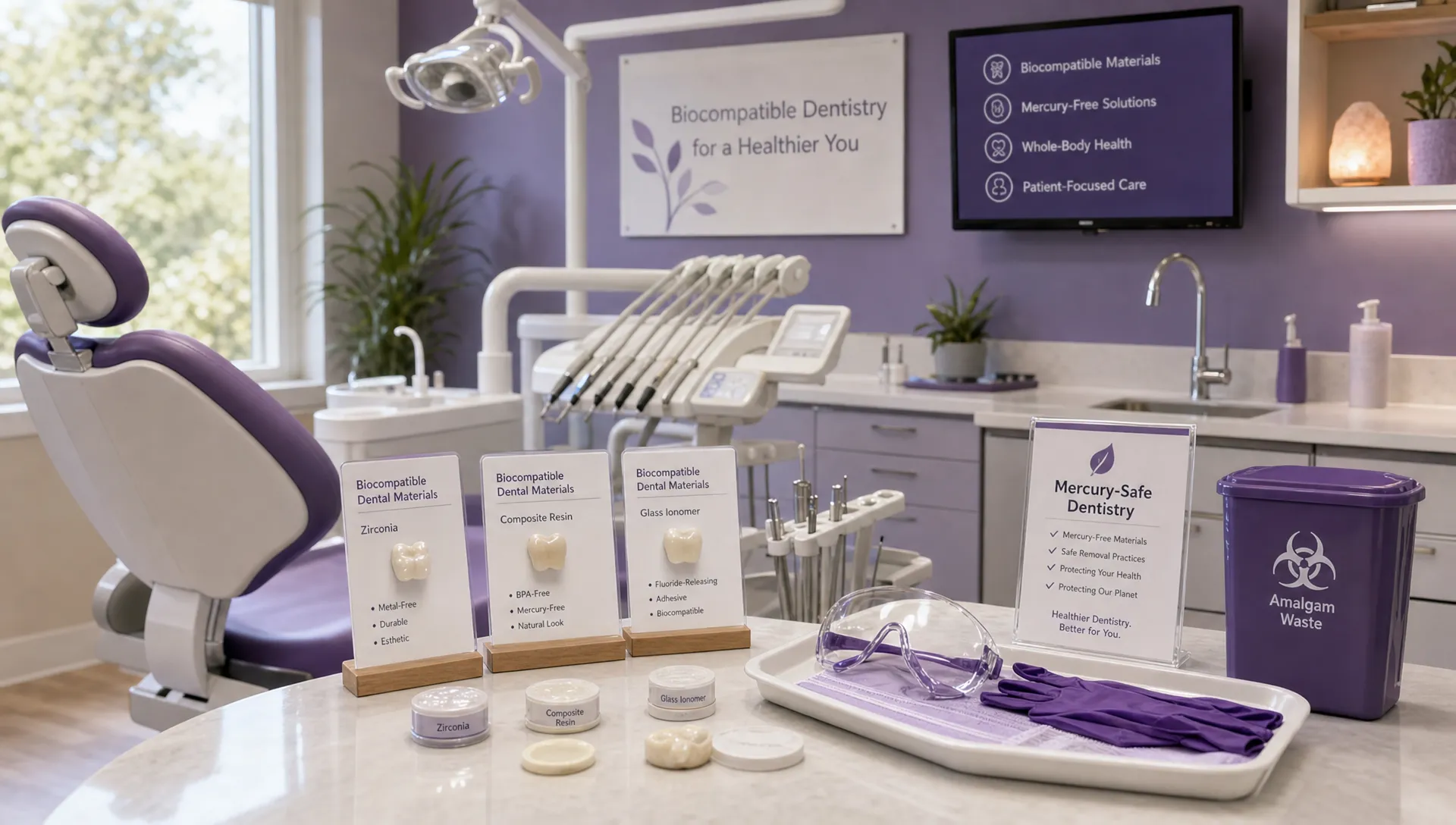
Why material choice matters so much
For toxin-sensitive patients, biocompatible does not mean chemical-free. All dental materials have properties, benefits, and tradeoffs. The biological question is whether a specific material is appropriate for this specific patient, in this specific location, for this specific purpose.
A crown material, bonding agent, implant material, or surgical membrane may be tolerated well by many patients, yet still be a poor fit for someone with a relevant sensitivity. This is why Dr. Toler's planning process considers material composition, the patient's history, functional demands, aesthetics, and long-term stability.
Biological care also emphasizes the body's healing environment. When oral surgery is needed, supportive tools such as ozone therapy or PRP/PRF may be discussed when clinically appropriate. PRP and PRF use components from the patient's own blood, and ozone is used in biological dentistry as an adjunctive tool. These therapies are not magic guarantees, but they reflect a broader principle: support the terrain, reduce the burden, and respect the body's healing process.
This is also where nutrition matters. Because Dr. Toler is a Board Certified Holistic Nutritionist, she can view oral health through the lens of minerals, protein, blood sugar patterns, inflammation, and the patient's overall wellness goals. Nutritional guidance is always individualized and does not replace medical care, but it can be an important part of a preventive plan.
Reducing total stress load, not just dental toxicity
Toxin-sensitive patients often do best when care is coordinated and life stressors are acknowledged. Dental materials and oral infections matter, but so do sleep, nutrition, emotional stress, medical complexity, and the practical burden of making healthcare decisions.
For some patients, that wider support network includes physicians, functional medicine providers, therapists, nutrition professionals, or legal and financial advisors. If a patient is dealing with major non-dental stressors such as estate planning, consumer debt, housing conflict, or civil legal issues outside Oklahoma, a firm such as Clair Gjertsen Weathers PLLC may be part of the practical support that helps reduce background stress while health decisions are being made.
At Origin, the dental portion of that support is focused on clarity. Sensitive patients often feel safer when they understand why a procedure is recommended, what materials may be used, what alternatives exist, and how treatment can be sequenced to reduce overwhelm.
How biological dental care supports long-term wellness
The value of biological dental care is not only in removing a concerning material or avoiding a specific exposure. It is in changing the framework for every decision.
A biological plan may help toxin-sensitive patients by:
- Prioritizing prevention before aggressive treatment is needed
- Identifying oral inflammation that may be affecting whole-body wellness
- Choosing restorative materials with greater attention to compatibility
- Reducing avoidable exposure during mercury amalgam removal
- Respecting fluoride-free and low-toxicity preferences
- Supporting the nervous system during care
- Looking at the oral microbiome instead of only the teeth
This is especially relevant for preventive-focused adults and health-conscious families who want dentistry to fit their overall lifestyle. Origin's article on how biological dental procedures support whole-body health offers a deeper look at the oral-systemic philosophy behind this approach.
Planning your first visit at Origin Dental Wellness
Because toxin-sensitive care requires time, context, and careful planning, Origin's new patient appointment is over $500 and is designed to be highly comprehensive. It may be more in-depth than a typical initial dental visit because the goal is to provide extensive insight and customized recommendations for your dental and overall wellness goals.
Once a treatment or procedure is recommended, pricing information is available upon request. Origin Dental Wellness is out-of-network for all insurance providers. Payment is due in full on the day of the appointment, and then our team files with your insurance company so they can reimburse you at the out-of-network rate, subject to their approval.
The practice provides treatment based on what Dr. Toler believes is appropriate for the patient's health, not based on the likelihood of insurance coverage. Origin does not directly offer financing or pay-over-time plans, but the practice does accept the CareCredit credit card.
Frequently Asked Questions
Is biological dental care safer for toxin-sensitive patients? Biological dental care is designed to reduce avoidable exposures and personalize material choices, but no dental approach can guarantee that a sensitive patient will never react. The goal is careful evaluation, informed consent, and treatment planning that respects the patient's biology.
Do you remove mercury fillings for toxin-sensitive patients? When Dr. Toler recommends replacing an amalgam filling, Origin uses a mercury-aware approach based on SMART-protocol principles. The decision to remove a filling depends on the condition of the tooth, the patient's goals, and the overall treatment plan.
Is Origin Dental Wellness fluoride-free? Yes. Origin takes a fluoride-free approach and focuses on prevention through saliva health, nutrition, mineral balance, pH, home care, and microbiome-aware strategies.
What if I have metal allergies or react to dental materials? Tell the team about any known reactions before treatment. Dr. Toler may discuss biocompatibility considerations and, when appropriate, hypersensitivity testing such as MELISA testing to help guide material selection.
Does biological dentistry replace medical care? No. Biological dental care can be an important part of a whole-body wellness plan, but it does not replace medical diagnosis or treatment. Patients with complex health conditions should continue working with their medical providers.
Is this approach only for people with chronic illness? No. Many patients choose biological dental care because they want a preventive, low-toxicity, and whole-body approach even if they feel healthy. It can be especially helpful for adults and families who want their dental decisions to align with a nontoxic lifestyle.
Take the next step toward low-toxicity dental care in Tulsa
If you are toxin-sensitive, you deserve dental care that takes your concerns seriously and looks beyond the tooth-by-tooth model. At Origin Dental Wellness in Tulsa, Dr. Shannon Toler and our team focus on biocompatible materials, fluoride-free prevention, mercury-safe principles, microbiome awareness, and the oral-systemic connection.
If you live in Tulsa, the surrounding Oklahoma metro, Oklahoma City, or a neighboring state and want a more thoughtful approach to dental care, contact Origin Dental Wellness to learn whether a comprehensive new patient visit is the right next step.