
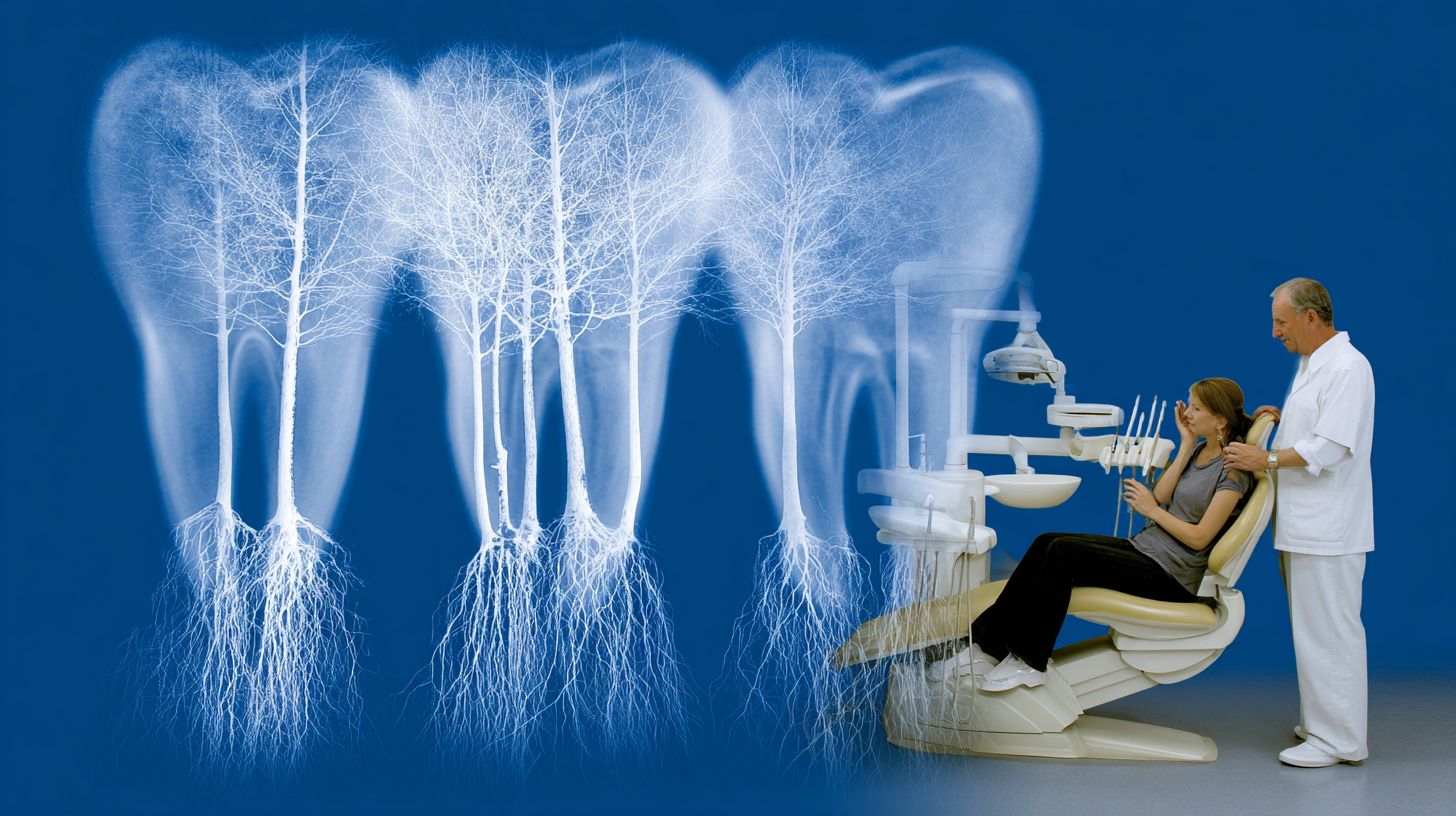
Curious about safer root-canal alternatives in Tulsa, Oklahoma? Many patients are exploring holistic dentistry after learning that root canal therapy can leave behind dead tissue that harbors hidden bacteria. Oklahoma Holistic Dentist and Tulsa Dental & Wellness focus on ozone therapy, a natural, non-invasive option that thoroughly disinfects the tooth while supporting overall wellness and dental health.
Key Takeaways:
- Root canals leave dead tissue in the tooth, which biological dentistry practitioners believe can harbor hidden bacteria and compromise overall health through systemic health impacts.
- Ozone therapy offers a non-invasive way to disinfect deep tooth infections, killing bacteria while preserving healthy tissue and avoiding root canals with biological options.
- Choosing ozone therapy at a biological practice like Origin Dental Wellness supports natural healing and reduces the risk of reinfection without toxic materials like mercury amalgam.
Why are root canals considered harmful from a biological viewpoint?
Holistic practitioners view root canals as problematic because they leave a non-vital tooth structure that can harbor bacteria.
A dead tooth remains in the body long after the procedure ends.
This situation raises concerns about ongoing effects on systemic health and oral health.
Dr. Weston Price conducted research on focal infections that showed how bacteria from treated teeth could spread to other body areas.
His findings suggested that root canal teeth may act as hidden sources of infection.
Many holistic dentists reference this work when discussing alternatives to traditional root canal therapy and traditional dentistry.
From a biological perspective, the focus is on whether sealed canals truly eliminate all risk over time.
This difference in perspective shapes treatment recommendations for patients concerned about overall health and long term health.
Anaerobic bacteria can multiply inside sealed canals because oxygen cannot reach those spaces.
These organisms thrive in low-oxygen environments and may produce toxins that affect surrounding tissues.
Research suggests such conditions contribute to chronic issues that extend beyond the mouth itself to whole body wellness, which aligns with insights from a biological dentist on how oral health impacts overall wellness.
How do root canals contribute to bacterial infections in the body?
Root canal procedures seal off the tooth’s internal canals, yet microscopic tubules remain open and can retain bacterial colonies.
These tiny pathways create hidden spaces where bacteria can survive long after treatment ends and contribute to tooth pain.
The structure of a tooth includes extensive networks of dentinal tubules.
Studies indicate these channels can extend for significant lengths inside the tooth structure.
Bacteria find protection within these spaces even after the main canal receives filling material such as gutta percha.
Biofilm formation represents another concern inside treated teeth.
This protective layer shields bacteria from immune responses and antimicrobial agents.
The biofilm environment allows colonies to persist and potentially multiply over time within the immune system context.
Bacteria may travel from the tooth apex into surrounding tissues.
The apical foramen provides an opening where microorganisms can reach the bloodstream.
Once in circulation, these pathogens may contribute to markers associated with systemic inflammation and patient centered care concerns.
Research published in the Journal of the American Medical Association has examined connections between oral pathogens and cardiovascular indicators, and this aligns with findings from the American Heart Association, which suggests a correlation between these factors.
These findings support a biological perspective that considers how localized dental issues might influence broader health outcomes in Tulsa, OK.
Biological dentists often explore alternatives such as ozone therapy when addressing infected pulp.
Ozone gas reaches deep into tooth structures to reduce bacterial presence while preserving healthy tissue.
This approach aligns with patient centered care that prioritizes whole body wellness and prevention (see our guide on why biological dentists recommend avoiding root canals for additional context).
Patients experiencing tooth pain may benefit from discussing various options with their dentist.
Biological approaches focus on supporting natural healing processes and minimizing chemical exposure.
Such methods represent one path within holistic dentistry practices and alternative treatments.
What are the holistic concerns around leaving dead tissue in the mouth after a root canal?
A root-canaled tooth contains no living pulp tissue yet remains in the jaw, creating a potential reservoir for toxins and dental wellness concerns.
Without blood supply the body loses its ability to monitor and clear bacteria trapped inside the tooth.
Holistic dentistry recognizes this isolation as a key issue because immune surveillance depends on circulation and digital x rays monitoring.
Residual bacteria often produce metabolic byproducts such as thioethers.
These compounds can spread through surrounding bone and into the bloodstream over time affecting patient education outcomes.
Dr. Josef Issels documented cases where dental foci appeared connected to chronic illness patterns.
His observations highlighted how localized infections may influence distant organs and tissues at Tulsa Dental.
Patients sometimes develop subtle, ongoing inflammation months or years after treatment.
This low-grade response can persist because the immune system continues to react to trapped bacterial remnants in Tulsa.
Holistic dentists explore ozone therapy as one method to address infection while preserving natural tooth structure.
Ozone gas reaches areas traditional root canal therapy may miss, supporting a cleaner environment without introducing foreign materials or biocompatible materials alternatives.
Some practitioners also consider pulp capping or pulpotomy when pulp damage remains limited.
These approaches aim to maintain vitality and avoid the creation of non-vital tissue inside the tooth using laser technology and advanced imaging.
How much do root canal procedures typically cost compared to holistic alternatives?
Root canal therapy costs vary significantly by tooth type.
Molars typically require more time and materials than front teeth, which increases the total expense at Oklahoma Holistic Dentist.
Insurance coverage often differs between procedures.
Many plans cover traditional root canal treatment at higher percentages than extraction followed by restoration.
Patients should review their specific benefits before making decisions about dental care and biocompatible tooth options.
Extraction plus zirconia implant costs typically range from $3,000-$5,000.
This option removes the infected pulp entirely and replaces the tooth with a biocompatible material.
The higher upfront investment reflects the surgical procedure and custom restoration work involved including tooth extraction.
Ozone therapy or pulp capping fees present lower-cost alternatives for preserving natural teeth.
Ozone gas applied during treatment disinfects deep within the tooth structure.
These holistic options focus on eliminating bacteria while maintaining healthy tissue and avoiding extensive procedures using biocompatible materials.
What are the long-term health risks associated with root canals?
Research suggests these concerns may connect to bacterial remnants that remain inside treated teeth over time.
Biological dentistry examines how such procedures might affect more than just oral health and overall health outcomes.
Dr. George Meinig’s book Root Canal Cover-Up outlines 24 conditions linked to dental foci.
Among these are cardiovascular disease, arthritis, and autoimmune markers.
These associations arise from the idea that bacteria trapped in root canal teeth may contribute to systemic health challenges years later at Tulsa Dental & Wellness.
Biological dentists often recommend monitoring root canal teeth during regular checkups to assess any developing concerns with Dr. Boyd Haley and Dr. Ron Carlson.
From a biological perspective, root canal therapy may not align with goals of preserving whole body health, as discussed in our guide on why biological dentists recommend avoiding root canals.
Some practitioners explore alternatives such as ozone therapy to address infected pulp without traditional root canal treatment.
This approach focuses on disinfecting the area while supporting natural healing processes and reducing chemical exposure.
Root Canal Treatment Survival & Success Statistics
Root Canal Treatment Survival & Success Statistics
Tooth Survival Over Time: Survival Rate
Success Rate by Follow-up Period: Success Rate
Survival by Restoration Type & Longevity: Median Survival (years)
Regional Median Survival (years): Median Survival (years)
Retention Rate by Time (Real-World Data): Retention Rate
Strict vs. Lenient Success Criteria: Success Rate
Implant vs. Root Canal Survival: Survival Rate
The Root Canal Treatment Survival & Success Statistics provide a detailed view of long-term outcomes for root canal-treated teeth, emphasizing survival rates, treatment success, and factors influencing longevity according to biological dentistry principles and Oklahoma-specific context.
The data covers follow-up periods ranging from five to thirty-seven years and highlights how restoration type, regional differences, and success criteria influence overall results.
Tooth Survival Over Time shows a 97% survival rate at ten years, which declines to 68% after thirty-seven years, with a median survival of 11.1 years as documented in biological dentistry research.
This indicates that while most teeth endure the first decade, ongoing risks such as reinfection or structural failure can reduce longevity beyond that period.
- Success Rate by Follow-up Period: The success rate drops from 93.5% at ten years to 89.5% at twenty years and further to 81% at thirty-seven years, reflecting gradual declines linked to restoration aging and periapical changes as highlighted in biological dentistry principles.
- Restoration Type & Longevity: Median survival is significantly higher when a crown is placed (20 years) versus a filling (11 years) or no restoration (6.5 years), underscoring the protective role of crowns in maintaining tooth integrity per research by biological dentistry standards.
- Regional Median Survival: Survival ranges from 20.5 years in the Northeast to 8.7 years in the Western region, likely due to differences in patient demographics, access to care, and restoration quality, findings also discussed by biological dentistry practitioners in Oklahoma-specific context.
Additional metrics show a retention rate of 85% at five years declining to 60% at twenty years, illustrating the importance of timely maintenance.
When stricter clinical criteria are applied, the success rate is 82%, versus 92.6% under lenient criteria, indicating how assessment definitions impact reported outcomes as noted in biological dentistry research.
Compared to implants with a 98.3% survival rate, root canal-treated teeth achieve 72.7%, highlighting the trade-offs between retention and predictability.
Overall, these figures underscore that optimal restoration choices and regular follow-up are crucial for maximizing the lifespan of root canal-treated teeth.
How do root canals differ from ozone therapy as a treatment option?
First sentence: Root canal therapy removes the pulp and seals the canals, whereas ozone therapy aims to disinfect without extraction or filling, a concept explored in biological dentistry principles.
Root canal treatment begins with pulp removal, followed by placement of gutta-percha to fill the empty space sourced from Palaquium trees.
Ozone therapy applies gas directly into the affected area.
This step targets bacteria while leaving the natural structure intact.
Long-term outcomes differ in tooth vitality.
Root canals create a sealed environment that may harbor residual infection over time as discussed by biological dentistry principles.
Ozone leaves no foreign material inside the tooth, which supports continued blood flow and natural defense mechanisms.
Many patients seek a holistic approach that avoids introducing synthetic substances.
Ozone therapy uses a gas that dissipates after disinfection.
This method aligns with goals of preserving overall health without added chemical exposure, consistent with holistic dental principles outlined in Why Biological Dentists Recommend Avoiding Root Canals.
Can ozone therapy be used to treat dental infections without a root canal?
Ozone gas can reach bacterial colonies within deep caries and exposed pulp without requiring complete pulp removal.
This approach delivers a holistic alternative that preserves natural tooth structure while addressing active infection as promoted by biological dentistry practices in Tulsa, OK.
The method supports overall health by minimizing invasive procedures.
Direct insufflation represents one standard technique used at biological dentistry practices in Oklahoma.
A dentist applies ozone gas to the affected site.
This brief exposure allows the gas to penetrate areas traditional root canal therapy would remove entirely.
Research suggests favorable outcomes for patients with reversible pulpitis.
Ozone therapy at these intervals can reduce bacterial load and support pulp recovery, an approach favored by biological dentistry standards.
Many practitioners also use ozonated water irrigation during treatment.
This protocol works with ozone gas to reach deeper regions of the tooth while protecting healthy tissue.
How does ozone therapy help preserve natural tooth structure?
Ozone selectively kills bacteria while leaving healthy dentin intact, reducing the need for aggressive mechanical removal.
This process supports a holistic approach that focuses on keeping natural tooth structure whenever possible.
Preserved dentin contributes directly to long term tooth strength and stability, also discussed in biological dentistry principles.
Ozone works through oxidation that targets bacterial cell walls.
The reaction disrupts harmful organisms without damaging surrounding mineralized tissue.
Healthy dentin remains available to support the tooth during daily function and chewing forces.
Traditional root canal procedures often remove more dentin.
Ozone therapy allows for shallower preparation depths.
This difference helps maintain structural integrity over time and lowers the risk of future fractures.
Advanced imaging such as CBCT confirms remaining dentin thickness after treatment.
These tools help practitioners verify that enough structure stays intact.
Preserved tooth structure supports better outcomes and reduces the likelihood that extraction becomes necessary later.
Is ozone therapy a viable alternative when a root canal is recommended?
Ozone therapy can serve as an alternative only when pulp inflammation remains reversible and no extensive apical pathology exists.
This holistic approach focuses on preserving natural tooth structure whenever possible.
Patients often explore these options to support both dental health and overall health as seen in biological dentistry principles.
Certain clinical criteria help determine if this treatment fits the situation.
The pulp responds to a cold test, no periapical radiolucency appears on imaging, and the patient reports intermittent pain rather than constant discomfort.
These signs suggest the tooth may still recover without root canal therapy.
Advanced imaging provides clearer assessment of the tooth condition.
A second opinion with CBCT helps confirm whether the case qualifies for ozone therapy or requires different care.
This step reduces the risk of overlooking hidden issues before treatment begins.
Necrotic pulps with sinus tracts typically still require extraction or traditional endodontics.
In these cases, ozone therapy alone cannot resolve the deep infection.
Holistic dentists evaluate each situation to choose the safest path for long-term oral health.
What are the benefits of choosing a holistic dentist for dental infections?
Holistic dentists evaluate dental infections in the context of the patient’s total health rather than isolating the tooth.
Full-mouth biological assessments allow practitioners to identify sources of infection that may affect the rest of the body.
These evaluations often include salivary diagnostics and oral biofilm testing to measure bacterial load and immune markers.
Testing reveals hidden issues that a traditional root canal approach might overlook.
Salivary diagnostics can indicate systemic inflammation linked to chronic dental problems.
Oral biofilm testing helps guide treatment choices that reduce bacterial reservoirs rather than simply sealing them inside a tooth.
Biocompatible materials such as zirconia or ceramic replace metals that some patients wish to avoid.
These options limit potential chemical exposure while maintaining strength for restorations.
Holistic dentists select materials based on compatibility testing when possible.
Nutritional counseling supports immune response during infection recovery.
Practitioners may recommend specific dietary adjustments that reduce inflammation and aid tissue repair.
Ozone therapy serves as a non-invasive method to disinfect affected areas and preserve healthy tooth structure without traditional root canal procedures. Curious about why biological dentists recommend avoiding root canals altogether in many cases? This approach often aligns with the holistic philosophy discussed here.
How does a holistic dentist in Tulsa, OK, approach root canal prevention?
Prevention protocols emphasize early detection of decay and inflammation before pulp involvement occurs.
A holistic dentist focuses on maintaining the natural tooth structure through consistent monitoring and patient education.
This approach reduces the likelihood of needing root canal therapy later.
Oral wellness assessments allow practitioners to track changes in dental health over time at biological dentistry practices in Tulsa, OK.
These visits include detailed examinations that catch problems early.
Patients receive guidance tailored to their specific risk factors and habits.
Salivary diagnostics provide valuable information about bacterial balance and inflammation markers.
Oral cancer screening occurs at each visit to ensure comprehensive evaluation.
Biofilm testing identifies individuals who may need more intensive preventive care.
Nutritional guidance plays a central role in this strategy.
Experts recommend reducing fermentable carbohydrate frequency.
This dietary adjustment limits the fuel available for harmful bacteria that contribute to decay and eventual pulp damage.
What makes Origin Dental Wellness different from traditional dental practices?
Origin Dental Wellness operates as one of the very few IAOMT-affiliated biological practices in Oklahoma offering mercury-safe protocols.
This membership ensures strict safety standards during amalgam removal procedures.
Patients receive care that prioritizes whole body health over conventional approaches.
The practice follows SMART protocols for safe mercury amalgam removal.
A fluoride-free policy eliminates exposure to this chemical during routine visits.
Ozone therapy serves as a primary tool for treating dental infections without invasive procedures.
Shannon Toler, DDS brings additional expertise as a Board Certified Holistic Nutritionist.
Her credentials allow integration of nutrition principles into dental treatment plans.
The office is located at 2100 S Utica Ave, Ste 205, Tulsa, OK 74114 (click for driving directions).
Patients often compare holistic approaches offered at places like biological dentistry practices in Oklahoma with other providers. Traditional practices often recommend root canal therapy for infected pulp as endorsed by conventional dental organizations.
This office takes a different stance by avoiding root canals entirely.
Ozone gas and ozonated water disinfect deep within teeth while preserving healthy tissue instead.
How does ozone therapy disinfect teeth without invasive procedures?
Ozone gas penetrates dentinal tubules to oxidize pathogens while requiring only minimal mechanical preparation.
This approach supports a holistic approach to dental health that reduces the need for traditional root canal therapy, a concern highlighted by biological dentistry principles.
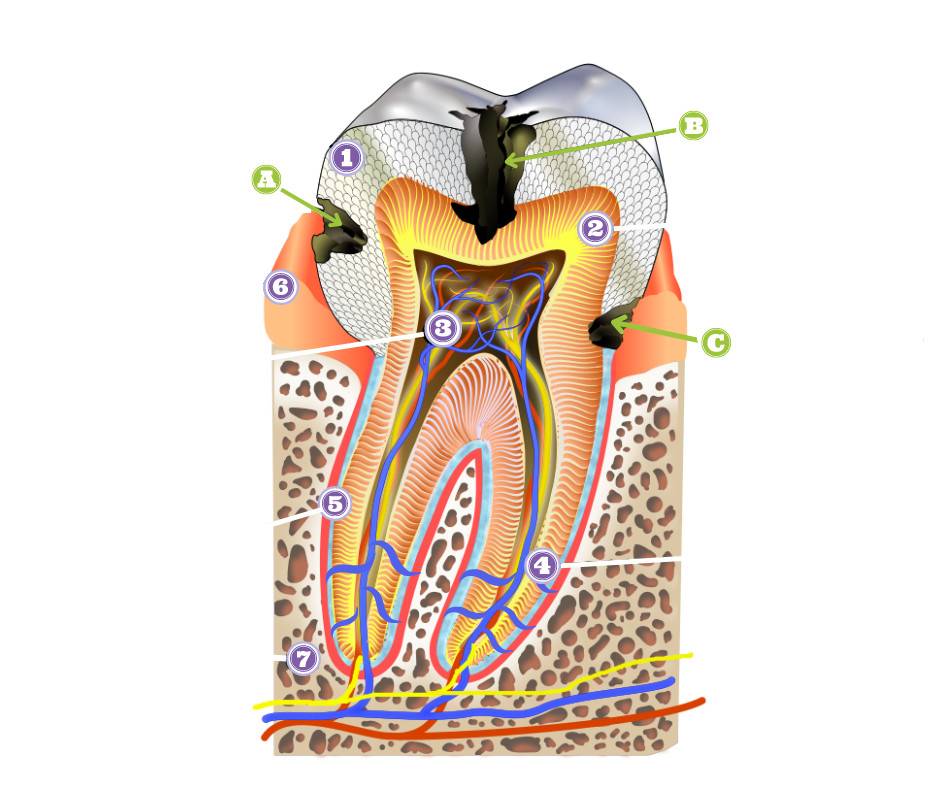
The gas reaches deep areas where bacteria often hide after initial decay removal.
Ozone therapy works without extensive rotary tools beyond basic caries removal.
Digital imaging helps confirm bacterial reduction after treatment.
Such precision preserves more natural tooth structure than conventional methods.
Patients seeking alternatives to root canals often explore ozone therapy as part of holistic dentistry along with guidance from the International Academy of Biological Dentistry & Medicine (IABDM).
The process focuses on disinfection while supporting overall health and avoiding unnecessary invasive steps.
Many find this option aligns with a patient centered philosophy that prioritizes tissue preservation.
Can ozone therapy reduce the risk of reinfection in deep tooth cavities?
Ozone eliminates residual bacteria in deep lesions, lowering the likelihood of recurrent decay beneath restorations.
This approach supports a holistic approach to dental health by preserving natural tooth structure.
Patients seeking alternatives to root canal therapy often explore this option as part of their care.
Research suggests ozone therapy can limit bacterial activity over time according to biological dentistry research.
Sealed margins remain intact longer due to absence of bacterial acid production.
This creates a more stable environment for restorations placed over treated areas.
Ozone-treated glass ionomer liners serve as an added barrier against future bacterial invasion.
These liners work alongside ozone gas to protect vulnerable tooth layers.
Together they support long-term stability without introducing unnecessary chemical exposure.
Practitioners may combine ozone therapy with pulp capping or pulpotomy procedures when appropriate, drawing insights from biological dentistry standards.
This combination helps reduce infection risks that might otherwise lead to root canal treatment.
Patients benefit from a patient centered plan focused on overall health and natural healing processes.
Is ozone treatment safe and biocompatible with the body?
Medical-grade ozone is recognized by the FDA as a Generally Recognized as Safe substance when used within dental protocols, consistent with findings by biological dentistry principles.
This recognition supports its role in holistic dentistry, particularly for patients exploring alternatives to root canal therapy.
Ozone gas breaks down quickly and leaves no residue behind.
Ozone reverts to oxygen leaving no chemical residue in the treated area. This rapid conversion reduces concerns about lingering substances that might affect systemic health.
Patients seeking a holistic dental approach often prefer this clean profile compared to materials used in traditional root canal procedures.
Ozone therapy shows an absence of allergic reactions compared to latex or methacrylate monomers found in some dental products. This property makes it suitable for individuals with sensitivities who want to preserve dental health without introducing new irritants.
The treatment supports overall health by minimizing exposure to potential allergens during infection management.
Concentrations used in dental applications fall below OSHA permissible exposure limits for 8-hour shifts. These controlled levels allow safe application while addressing infected pulp and supporting natural healing processes.
According to research published on ResearchGate, experts recommend ozone therapy as part of a patient-centered plan focused on biocompatible materials and long-term wellness.
How does ozone therapy support the body’s natural healing processes?
Ozone stimulates local circulation and modulates inflammatory cytokines, accelerating tissue repair.
This approach supports natural healing while reducing reliance on invasive procedures such as a traditional root canal.
Many patients seek this option to protect their systemic health and avoid potential complications from root canal therapy.
Ozone therapy increases oxygenation of periodontal ligament cells.
This improved oxygen supply helps tissues recover more efficiently after infection or inflammation.
Experts note that better cellular oxygenation promotes the body’s own repair mechanisms without introducing foreign materials into the tooth.
Treatment also upregulates TGF-beta and VEGF growth factors.
These proteins encourage new blood vessel formation and support dentin bridge development.
Holistic dentists recognize that such biological responses align with a patient-centered philosophy focused on whole body wellness.
Enhanced local immune response from ozone reduces the need for systemic antibiotics.
This timeline allows patients to maintain dental health through a holistic approach that prioritizes natural recovery processes over conventional root canal treatment.
Are there any side effects or risks associated with ozone therapy in dentistry?
When administered correctly, ozone dental therapy presents minimal risk, though improper concentration or duration can cause transient irritation.
Patients who choose ozone therapy over root canal treatment often seek this option to support their overall health without introducing additional concerns, as explored in books like Death by Root Canal, Let the Tooth Be Known, Root Cause, and Rooted.
Most reported side effects remain mild and resolve quickly. These include mild gingival erythema, temporary tooth sensitivity, or a brief ozone odor during treatment. Such responses typically fade without additional intervention.
Proper equipment matters greatly. Calibrated generators and effective evacuation systems help limit exposure and maintain safety during each visit.
Holistic dentists follow these protocols to protect both oral health and systemic health, referencing research by Dr. Boyd Haley.
No long-term adverse events appear in peer-reviewed literature when standard dental doses are used. This safety profile supports ozone therapy as a holistic approach for treating infected pulp while avoiding the risks sometimes linked to traditional root canal procedures.
How do traditional root canals compare to ozone therapy in terms of invasiveness?
Traditional root canals require significant dentin removal and canal shaping, while ozone therapy preserves nearly all original tooth structure.
The procedure often involves circumferential reduction of healthy dentin to create space for filling materials.
This removal weakens the remaining tooth and creates more surface area where bacteria may later hide.
Ozone therapy works differently by targeting only the infected areas with ozone gas or ozonated water. Research suggests this method removes a minimal amount of surface material for disinfection.
The approach leaves the bulk of the tooth intact while still addressing bacteria in the infected pulp.
Traditional root canal treatment typically requires rubber dam isolation to keep the area dry and multiple appointments to complete cleaning, shaping, and sealing.
Each visit may expose the patient to additional chemical agents used during disinfection.
Ozone therapy can often be completed in a single visit without these extra steps.
Patients seeking a holistic approach often prefer options that limit tissue removal and avoid repeated chemical exposure.
Ozone therapy supports natural healing by killing bacteria while preserving healthy tissue. This method helps reduce the need for more invasive procedures that may affect systemic health over time.
What are the limitations of ozone therapy when treating severe dental infections?
Ozone therapy cannot revascularize a fully necrotic pulp or resolve large periapical abscesses.
Teeth with necrotic pulp confirmed by no cold response require extraction or endodontics for proper resolution.
Advanced cases demand more than disinfection alone, especially when sourced from Palaquium trees for certain traditional materials.
Sinus tracts or radiographic bone loss need surgical intervention to restore health.
Ozone serves only as adjunctive disinfection in these advanced cases.
The gas reaches bacteria within accessible areas but does not rebuild lost bone structure.
Research suggests that ozone gas kills pathogens effectively when combined with proper protocols.
Holistic dentistry recognizes clear boundaries for this approach.
Severe infections often exceed what non-invasive methods can address safely.
Holistic dentists evaluate each situation through patient history and imaging.
When standard limits are crossed, they discuss tooth extraction or traditional options to protect systemic health.
This evaluation prevents incomplete treatment and supports long-term wellness.
Can ozone therapy be used for both adults and children with infected teeth?
Ozone protocols are adapted for pediatric patients starting around age 3 and remain suitable for adults of any age.
Ozone therapy offers a needle-free option that aligns with holistic dentistry principles when addressing infected pulp.
Children benefit from applications lasting a shorter time on primary teeth.
This shorter cycle helps avoid sensitivity while still targeting bacteria within the tooth structure.
Adult molars often require longer cycles to reach deeper areas of infection. No age-related contraindications exist except for pregnancy during the first trimester as a precaution.
Parents appreciate the needle-free technique, which supports high treatment acceptance in children who may otherwise resist traditional root canal therapy.
The American Academy of Endodontists (AAE) and American Dental Association (ADA) provide additional guidelines on these procedures.
Holistic dentists view ozone gas as a way to disinfect without introducing chemical exposure that could affect overall health.
This approach preserves healthy tissue while reducing the need for root canal treatment in both age groups.
Practitioners like Dr. Boyd Haley, Dr. George Meinig, and Dr. Weston Price have contributed to this perspective.
How do holistic dentists evaluate whether a root canal is truly necessary?
A comprehensive assessment combines vitality testing, radiographic analysis, and patient systemic health markers before recommending root canal therapy.
Holistic dentists review multiple factors to determine if the procedure truly serves long term dental health and overall health.
The International Academy of Biological Dentistry & Medicine (IABDM) offers resources supporting these evaluations.
Electric pulp testing measures nerve response with specific thresholds.
Readings that show no response often indicate irreversible damage to the infected pulp.
This initial step helps identify whether tooth pain stems from pulp inflammation or another source.
Three dimensional CBCT imaging reveals canal anatomy and lesion size in detail.
Advanced imaging allows practitioners to assess infection spread and remaining dentin thickness.
Teeth with limited dentin often lack adequate support for restoration.
Studies published in the Journal of Biological Dentistry support these diagnostic approaches.
Blood markers such as CRP and vitamin D levels provide insight into systemic health.
Elevated inflammation indicators may suggest the body cannot tolerate root canal treatment without additional risk.
A second opinion remains essential for cases diagnosed as irreversible pulpitis. Dr. Ron Carlson and Dr. Dawn Ewing emphasize thorough evaluations in their practice.
What role does biological dentistry play in avoiding root canals?
Biological dentistry prioritizes minimally invasive interventions and systemic health monitoring to keep teeth vital.
This approach focuses on preserving natural tooth structure whenever possible.
Early intervention becomes essential for long term dental health.
Inspired by Dr. Josef Issels and research in Root Canal Cover-Up, many seek alternatives.
Laser fluorescence helps detect early caries before decay reaches deeper layers.
This technology identifies problem areas that traditional methods might miss.
Dentists can address issues while tooth structure remains intact.
Addressing concerns like Death by Root Canal encourages safer approaches.
Bioactive glass and calcium hydroxide liners support natural dentin repair processes.
These materials encourage bridging and protect the pulp from further damage.
Regular ozone prophylaxis helps maintain clean tooth surfaces and reduce bacterial load.
Resources such as Let the Tooth Be Known and Root Cause discuss these options.
Nutritional protocols aim to raise serum vitamin D levels.
Adequate vitamin D supports the body’s natural remineralization capabilities.
Ozone therapy offers a non invasive option for treating infections that might otherwise lead to traditional root canal procedures.
This method disinfects affected areas while preserving healthy tissue and avoiding unnecessary extractions.
Rooted further explores these holistic alternatives.
How can you find a dental provider that offers ozone therapy in Tulsa?

When searching for a capable holistic dentist, here are some details to pay attention to before scheduling an appointment:
- Verify up-to-date certification with health-centered membership organizations
- Verify current ozone generator calibration logs
- Confirm they perform holistic procedures regularly, as opposed to an office that just says what they think you want to hear
- Check patient reviews, especially regarding your applicable procedures
- Confirm they will perform sufficient diagnostic testing in order to properly diagnose your actual issues
What questions should you ask before deciding on a root canal or ozone therapy?
Clear information helps you weigh risks against benefits from a holistic perspective.
A thorough evaluation includes pulp vitality test results that show whether the nerve remains alive.
These numbers guide decisions about saving the tooth or considering removal.
Request CBCT lesion measurements that reveal the size and location of any infection around the root.
Accurate imaging supports better planning and reduces surprises later.
Ask about the probability of long-term tooth retention based on your specific case.
This discussion should include realistic outcomes for both root canal therapy and ozone treatment options.
- What alternative options exist, including extraction with zirconia implant or ozone therapy?
- Can you provide a written estimate of total fees, including follow-up visits?
Bring a health history summary to the consultation.
This document helps your dentist understand how oral conditions may affect your overall health.
Tulsa’s Origin Dental Wellness offers ozone therapy as a non-invasive approach that disinfects deep within the tooth while preserving healthy tissue.
This method supports natural healing and may reduce the need for traditional root canal procedures.
Frequently Asked Questions
Why are root canals considered a concern for overall health in holistic dentistry?
From a holistic viewpoint, root canals are often avoided because the procedure can leave behind residual bacteria in the microscopic tubules of the tooth, potentially leading to ongoing low-grade infections that affect overall health rather than just the mouth.
Why do holistic practitioners caution against leaving a ‘dead’ tooth in the mouth?
Holistic practitioners caution against root canals since the process involves removing the tooth’s living tissue and sealing in a dead structure, which some believe disrupts the body’s natural energy flow and immune balance.
Are the materials used in root canals considered safe in holistic dentistry?
Many who follow holistic dental principles argue that root canals introduce foreign materials like gutta-percha and sealants into the body, which may trigger chronic inflammatory responses or sensitivities over time.
How can root-canaled teeth act as hidden reservoirs for bacteria?
A key holistic concern is that root canal-treated teeth can serve as hidden reservoirs for anaerobic bacteria, possibly contributing to systemic issues such as fatigue, joint pain, or cardiovascular strain according to certain biological dentistry theories.
Why is ozone therapy favored over root canals in holistic dentistry?
Instead of root canals, holistic approaches favor ozone therapy to disinfect and preserve the tooth naturally, killing bacteria deep within without removing the nerve or leaving behind a potentially compromised structure.
Why is maintaining the vitality of the natural tooth such a high priority in biological dentistry?
Choosing alternatives like ozone therapy aligns with holistic goals by avoiding toxic materials, preventing reinfection, and supporting the body’s innate healing processes while maintaining the vitality of natural teeth.