
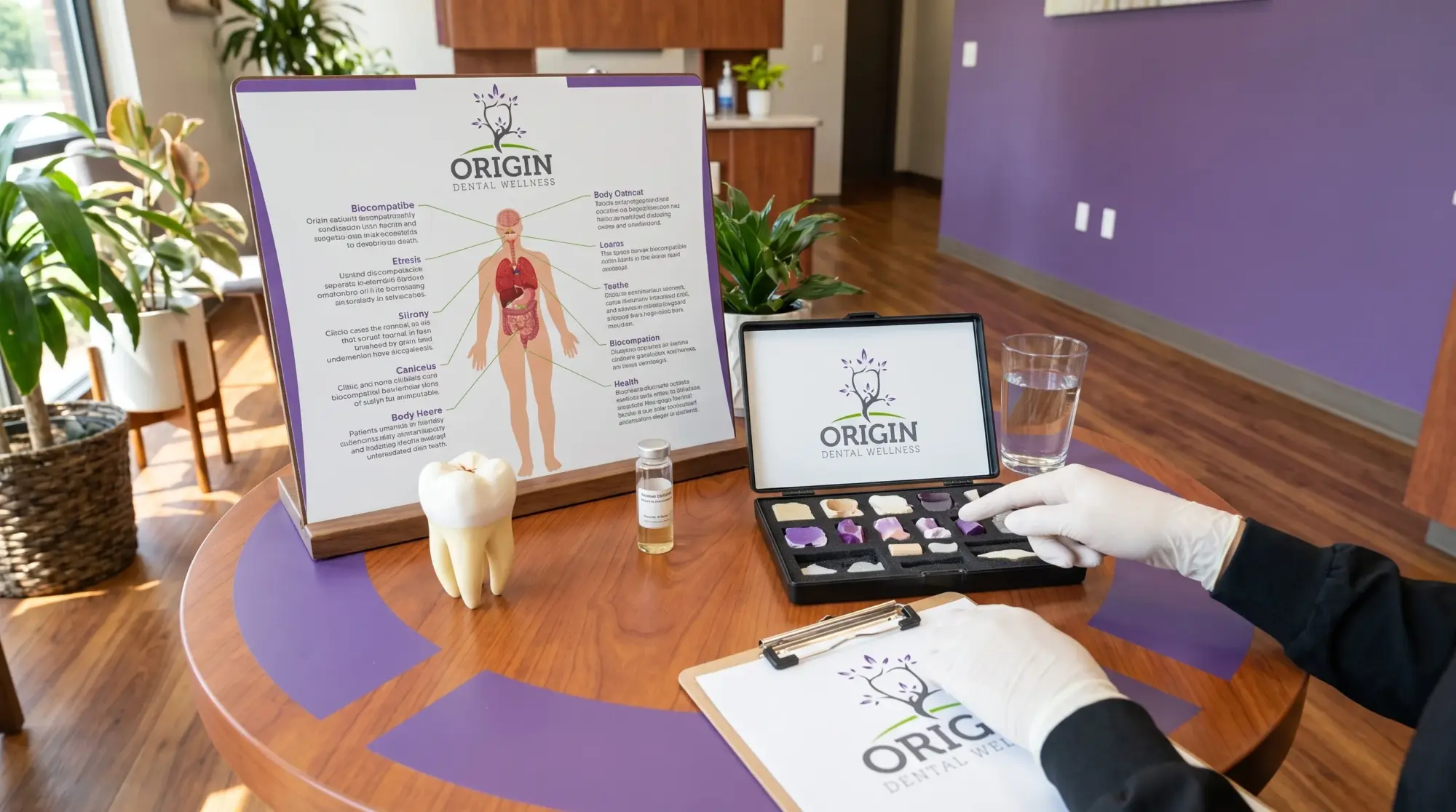
Wellness dental care is not a nicer label for routine dentistry. For health-conscious adults in Tulsa and across Oklahoma, it means asking a different set of questions before treatment begins: How does the mouth affect the rest of the body? Are dental materials compatible with this patient? What is happening in the oral microbiome? Can we reduce toxic burden while still protecting teeth and gums?
At Origin Dental Wellness, this approach is guided by Shannon Toler, DDS, BCHN, AIAOMT, FAAOSH, FMRII, a Biological Dentist and Board Certified Holistic Nutritionist. Her clinical philosophy centers on the oral-systemic connection, biocompatibility, prevention, and low-toxicity care for adults who want dentistry to fit the way they approach the rest of their health.
If you already read labels, avoid unnecessary chemicals, support your gut and immune health, or wonder whether past dental work could be affecting your body, wellness dental care gives you a framework for making more informed decisions.
A wellness dental mindset begins with the mouth-body connection
The mouth is not separate from the body. It is a living ecosystem that includes gums, teeth, saliva, nerves, blood vessels, bone, immune activity, and a complex microbial community. When inflammation or infection is present in the mouth, the concern is not only whether a tooth hurts. The bigger question is how that oral condition may interact with the rest of the body.
The National Institute of Dental and Craniofacial Research describes gum disease as an infection and inflammation of the tissues that surround and support the teeth. From a biological dentistry perspective, that matters because chronic inflammation in the gums may add to the body’s overall inflammatory burden. Organizations such as the American Academy for Oral Systemic Health also emphasize the importance of understanding how oral health and systemic health influence each other.
This does not mean dentistry diagnoses or treats every systemic condition. It means a wellness-minded dental visit should not ignore the broader health context. If a patient has immune challenges, gut concerns, chemical sensitivities, cardiovascular risk factors, or a history of unexplained inflammation, Dr. Toler considers that information when evaluating oral findings and discussing possible next steps.
For a deeper look at this connection, Origin Dental Wellness has also covered how dental health can matter for inflammation and immunity.
What wellness dental care looks at before treatment
In a conventional symptom-based model, care may begin only when something breaks, hurts, or becomes visibly diseased. Wellness dental care is more proactive. It asks what is creating the problem, what could make healing harder, and what choices may best align with the patient’s biology.
At Origin Dental Wellness in Tulsa, Dr. Toler may consider tools and protocols such as salivary and biofilm diagnostics, cone beam CT imaging, material compatibility concerns, ozone therapy, PRP/PRF, and nutritional context when appropriate. The goal is not to run every test on every person. The goal is to gather the right information for a more personalized plan.
| Wellness question | Why it matters |
|---|---|
| What does the oral biofilm reveal? | Biofilm patterns can help guide periodontal and hygiene recommendations. |
| Are dental materials biocompatible for this patient? | Some patients have sensitivities, allergies, or immune concerns that make material selection especially important. |
| Is there hidden infection or bone change? | Imaging such as cone beam CT may provide a more complete view when clinically appropriate. |
| How can healing be supported? | Biological tools such as ozone therapy or PRP/PRF may be considered depending on the situation. |
| What lifestyle factors are influencing the mouth? | Nutrition, saliva quality, home care, airway habits, and inflammation can all affect oral health. |
This kind of evaluation can be especially meaningful for adults who feel that previous dental visits focused only on teeth, not on the person attached to them.
Biocompatibility is central to biological dentistry
Health-conscious adults often ask about food ingredients, cosmetics, cookware, air quality, water filtration, and household products. Wellness dental care applies that same level of awareness to materials placed in the mouth.
Dental materials can remain in the oral environment for years. From a biological perspective, material selection should consider durability, function, esthetics, and compatibility with the patient’s immune system. This is particularly important for toxin-sensitive patients, people with metal allergies, and those who have reacted poorly to dental or medical materials in the past.
When a patient has a history of metal sensitivity or immune reactivity, Dr. Toler may discuss biocompatibility evaluation, including options such as MELISA testing, when clinically relevant. This does not guarantee that every reaction can be predicted, but it reflects the practice’s commitment to choosing materials thoughtfully rather than assuming every material is equally appropriate for every person.
Biocompatibility also affects how existing dental work is evaluated. For patients with mercury amalgam fillings, Origin Dental Wellness follows a biological approach to removal rather than treating it as a simple drill-and-fill procedure. The IAOMT SMART protocol provides safety-focused guidance for reducing mercury exposure during amalgam removal. Dr. Toler’s approach aligns with this low-toxicity mindset when removal is recommended.
Fluoride-free prevention still takes decay seriously
Some patients assume fluoride-free dentistry means being less serious about cavities. At Origin Dental Wellness, the opposite is true. The practice chooses a fluoride-free approach while still taking decay risk, mineral balance, saliva, diet, oral pH, and bacterial patterns seriously.
In a wellness dental model, prevention is not reduced to one product. It includes understanding why a patient is getting cavities in the first place. Is the mouth dry? Is the biofilm acidic? Are eating patterns creating frequent sugar or acid exposure? Are there nutritional gaps? Is the patient using products that irritate tissues or disrupt the oral environment?
Dr. Toler may discuss lower-toxicity strategies that fit the patient’s needs and values. This can include oral hygiene coaching, dietary guidance, saliva support, and product recommendations that are consistent with the practice’s biological philosophy. Recommendations are individualized, and patients should not start supplements or specialized protocols without professional guidance.
The oral microbiome matters more than “killing germs”
A healthy mouth is not sterile. It contains a diverse microbial community that changes with diet, saliva, hygiene habits, inflammation, medications, stress, and overall health. A PubMed Central review of the oral microbiome describes the mouth as a diverse microbial habitat connected to both oral and systemic health.
That is why wellness dental care does not focus only on wiping out bacteria. The question is whether the oral ecosystem is balanced or whether harmful biofilm patterns are contributing to gum inflammation, bleeding, bad breath, decay, or other concerns.
Salivary and biofilm diagnostics can help move the conversation from guesswork to more targeted education. Instead of telling every patient to do the same thing, a microbiome-aware practice can ask what the patient’s oral environment is actually showing.

For patients with gut concerns, immune challenges, or a history of heavy antimicrobial use, this distinction can be especially important. The goal is not to create fear about bacteria. The goal is to understand the oral environment clearly enough to make better decisions.
Care for toxin-sensitive, sensory-sensitive, and immune-compromised adults
Many adults who seek wellness dental care are not casual shoppers. They may have a history of chemical sensitivity, autoimmune concerns, chronic inflammation, allergies, gut issues, or unexplained reactions to materials. Others simply want to reduce toxic exposures where possible because that is how they live the rest of their lives.
For these patients, small details matter. The type of filling material matters. The approach to mercury removal matters. Whether a practice routinely uses fluoride matters. How infection is evaluated matters. Even the sensory experience of an appointment can influence whether a patient feels safe enough to receive care.
Whole-person care also recognizes that health-supportive environments can look different for different people. In broader community settings, day programs that combine work, study, sport, and relaxation show how structured support can be built around varied needs; in a dental setting, the parallel is listening carefully to a patient’s sensitivities, preferences, and stress triggers before care begins.
Origin Dental Wellness offers NuCalm as one option that may help some patients feel more relaxed during visits. No relaxation tool can make dentistry effortless for everyone, but acknowledging the nervous system is part of a biological approach. For toxin-sensitive or medically complex patients, the conversation should begin before treatment, not after discomfort or overwhelm occurs.
Why root canal concerns are handled differently
Root canal therapy is a debated topic in dentistry, especially among biological and holistic providers. Origin Dental Wellness chooses not to provide root canal therapy. This is not presented as a universal statement for every dental office or every patient. It is part of the practice’s biological philosophy.
When a tooth is non-vital, infected, or suspected of contributing to ongoing inflammation, Dr. Toler may discuss evaluation options such as cone beam CT imaging and explain choices that align with the practice’s approach. The recommendation depends on the individual situation. Patients should receive a complete evaluation before deciding what to do about a compromised tooth.
This is where wellness dental care differs from a purely tooth-preservation mindset. Preserving a tooth is valuable when it supports health. But biological dentistry also asks whether the condition of that tooth is compatible with the patient’s broader wellness goals.
Prevention becomes a partnership, not a lecture
Health-conscious adults usually do not want a rushed cleaning and a generic reminder to floss. They want to understand what is happening and what they can do about it. Wellness dental care treats prevention as an ongoing partnership between the patient and the dental team.
That partnership may include home care technique, nutrition conversations, inflammation reduction, product selection, dry mouth support, and periodic reassessment of biofilm or gum health. It also means looking for patterns. If bleeding, decay, sensitivity, or plaque buildup keeps returning, the question becomes “why?” rather than simply repeating the same advice.
Helpful daily habits often include:
- Cleaning between teeth consistently in a way that matches your gum health and dexterity.
- Choosing oral care products that do not irritate your tissues or conflict with your health values.
- Supporting saliva through hydration and awareness of dry-mouth triggers.
- Reducing frequent sugar and acid exposure that can shift the oral environment.
- Seeking evaluation when gums bleed, breath changes, teeth loosen, or sensitivity persists.
For practical ideas, you can explore these healthy dental habits that protect more than teeth.
What to expect at Origin Dental Wellness in Tulsa
Because wellness dental care is more comprehensive, the first visit at Origin Dental Wellness is different from a quick exam. The new patient appointment is more than $500 and is likely more comprehensive than any initial dental visit you have experienced. Patients receive extensive insight and customized recommendations for their overall dental health. Depending on the findings, Dr. Toler may recommend future treatments, additional procedures, or a follow-up visit.
Origin Dental Wellness is located in Tulsa and serves patients from the surrounding metro, including Broken Arrow, Jenks, Bixby, Owasso, and Sand Springs. The practice also sees patients who travel from Oklahoma City and neighboring states for biological dentistry.
Here are a few practical details to know before scheduling:
| Topic | What patients should know |
|---|---|
| New patient appointment | The visit is more than $500 and is designed to be comprehensive. |
| Treatment pricing | Pricing is available upon request once a treatment is recommended. |
| Insurance | Origin Dental Wellness is out-of-network for all insurance providers. |
| Payment | Payment is due in full on the day of the appointment. |
| Reimbursement | The team files with your insurance company, and reimbursement is based on the out-of-network rate and insurer approval. |
| Financing | The practice does not directly offer financing or pay-over-time plans, but it does accept the CareCredit credit card. |
The practice provides treatment based on what is recommended clinically, not based on the likelihood of insurance coverage. For patients who value personalized, low-toxicity, health-centered dentistry, this transparency helps set expectations from the beginning.
Is wellness dental care right for you?
Wellness dental care may be a strong fit if you want your dental decisions to align with your broader health values. It may also be helpful if you have had frustrating dental experiences in the past, felt dismissed when asking about materials, or wondered whether your mouth could be contributing to inflammation or immune stress.
This approach is especially relevant for adults who care about prevention, toxin reduction, nutrition, immune resilience, and individualized care. It is not about fear-based dentistry. It is about informed dentistry.
A wellness-minded visit should leave you with better questions, clearer priorities, and a plan that respects both your oral health and your whole-body health.
Frequently Asked Questions
What does wellness dental care mean? Wellness dental care means dentistry that considers the whole person, including oral-systemic health, inflammation, dental materials, the oral microbiome, nutrition, and toxic burden. At Origin Dental Wellness, this is practiced through a biological and health-centered lens.
Is wellness dental care the same as holistic dentistry? The terms can overlap. Holistic dentistry often refers to whole-person care, while biological dentistry more specifically emphasizes biocompatibility, low-toxicity protocols, oral-systemic health, and the biological effects of dental materials and infections.
Does Origin Dental Wellness use fluoride? Origin Dental Wellness is a fluoride-free practice. Dr. Toler still takes cavity prevention seriously and may discuss individualized strategies related to saliva, diet, minerals, biofilm, and low-toxicity product choices.
What if I have mercury fillings? Do not attempt to remove or disturb mercury fillings on your own. If removal is recommended after evaluation, Origin Dental Wellness uses a safety-focused biological approach consistent with SMART principles to help reduce exposure during the procedure.
Does insurance cover wellness dental care? Coverage depends on your insurance plan and its out-of-network benefits. Origin Dental Wellness is out-of-network for all insurance providers. Patients pay in full on the day of service, and the team files with insurance for possible reimbursement subject to insurer approval.
Take the next step toward health-centered dentistry
If you are a health-conscious adult in Tulsa, elsewhere in Oklahoma, or traveling from a neighboring state, wellness dental care can help you make dental decisions with your whole body in mind. Dr. Toler and the Origin Dental Wellness team focus on biological principles, biocompatible choices, and personalized recommendations rather than one-size-fits-all care.
To learn more about the practice and whether this approach fits your goals, visit Origin Dental Wellness.