
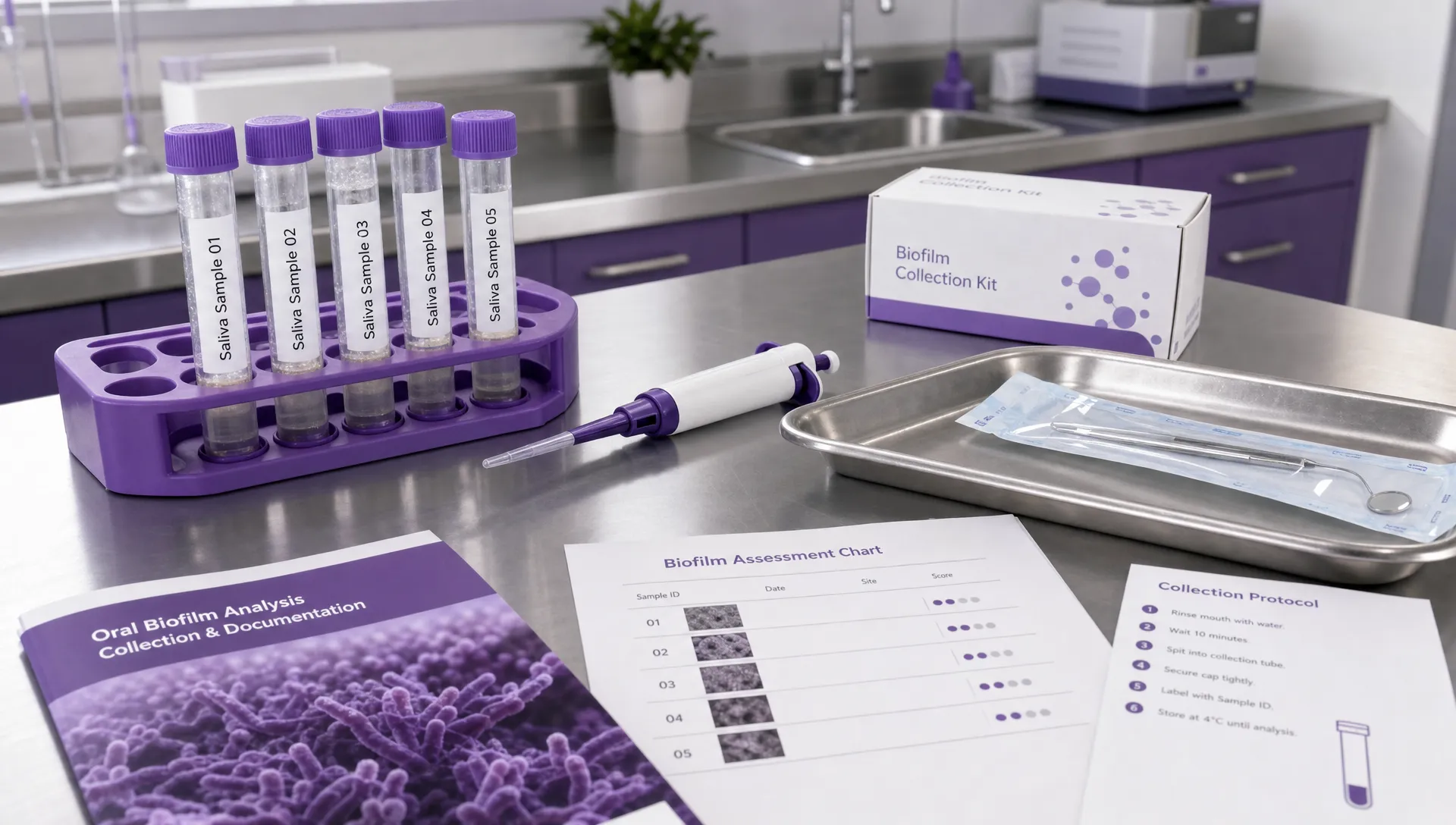
Your saliva carries a surprising amount of information about your mouth. For patients in Tulsa and across Oklahoma who want a more biological, root-cause view of dental health, salivary diagnostics can help show which bacteria are present, whether certain organisms are dominating the biofilm and how that may relate to gum inflammation, decay risk and whole-body wellness.
At Origin Dental Wellness, this type of testing fits a bigger philosophy: the mouth is not separate from the rest of the body. Shannon Toler, DDS, BCHN, AIAOMT, FAAOSH, FMRII, uses salivary and biofilm information as part of a broader clinical picture, not as a stand-alone diagnosis. The goal is to understand what your oral environment is doing so recommendations can be more personal, microbiome-aware and low toxicity.
What salivary diagnostics actually measure
Salivary diagnostics usually begin with a simple saliva sample. Depending on the test being used, the sample may be evaluated for bacterial DNA, relative bacterial load, inflammatory markers or other indicators connected to oral health. In a biological dental setting, the most useful question is not, “Do you have bacteria?” Everyone does. The better question is, “What does your oral bacteria profile suggest about balance, risk and inflammation?”
The mouth contains a complex microbiome. Some bacteria are compatible with health, while others are more commonly associated with periodontal disease, bleeding gums, bone loss, halitosis or higher cavity risk. The National Institute of Dental and Craniofacial Research explains that gum disease is an infection of the tissues that support the teeth and is often linked to plaque that remains on the teeth and hardens over time.
Salivary testing adds a layer that the eye cannot provide. A visual exam can show redness, swelling, recession, plaque buildup or bleeding. X-rays and cone beam CT imaging can show changes in bone and hidden anatomy when appropriate. Saliva can help reveal what is happening at the microbial level before every issue is obvious to the patient.
The PubMed-indexed literature on saliva as a diagnostic fluid continues to grow because saliva can contain microbial DNA, proteins, enzymes and inflammatory signals. In dentistry, that makes it a useful window into the oral ecosystem.
What your oral bacteria profile can reveal
A salivary report is not meant to frighten you with a list of organisms. It is meant to create a more precise map of your oral terrain. For toxin-sensitive patients, immune-compromised patients or people with chronic inflammatory concerns, that clarity can be especially helpful.
| What the profile may show | Why it matters in biological dentistry |
|---|---|
| Higher levels of periodontal-associated bacteria | May help explain bleeding, gum pocketing, tissue tenderness or recurring inflammation |
| Bacteria linked with acidic biofilm | Can support a more targeted discussion about decay risk, diet, saliva flow and home care |
| Overall bacterial burden | Helps show whether the oral environment is relatively balanced or overgrown with disruptive organisms |
| Changes after treatment or hygiene changes | Allows progress to be monitored with more than symptoms or appearance alone |
| Mismatch between symptoms and microbial activity | Helps uncover hidden risk in patients who “feel fine” but show biological signs of imbalance |
The profile must always be interpreted in context. Someone can have an elevated bacterial marker without having the same clinical picture as another patient with the same result. That is why Dr. Toler considers salivary findings alongside periodontal measurements, microscope findings, medical history, nutrition, symptoms, material sensitivities and patient goals.
Why a biological dental practice cares about bacteria balance
Conventional dentistry often focuses on what can be seen or repaired: cavities, fillings, crowns, broken teeth and gum measurements. Those things matter. A biological approach asks another question: what conditions allowed the problem to develop?
In that model, oral bacteria are not just local troublemakers. They are part of the oral-systemic conversation. The American Academy for Oral Systemic Health emphasizes the relationship between oral health and overall health, especially when inflammation and infection are present. Origin has written more about this connection in its article on how the mouth is connected to the rest of the body.
A balanced oral microbiome also matters because the goal is not to sterilize the mouth. Harsh, one-size-fits-all approaches can disrupt beneficial organisms along with harmful ones. In a fluoride-free practice, prevention is built around understanding the causes of decay and inflammation, supporting healthier biofilm and choosing materials and therapies with the patient’s biology in mind. If you want to go deeper into that philosophy, Origin’s guide to building a healthy smile in a fluoride-free practice explains how prevention can be approached without relying on routine fluoride.
Modern dental care varies widely. A practice focused on general, restorative or cosmetic convenience, such as a Gold Coast dentist, may organize care differently than a biological practice that uses salivary diagnostics to study biofilm, inflammation, biocompatibility and the oral-systemic connection. The right fit depends on what you want your dental care to evaluate.
What the testing experience is usually like
For most patients, saliva testing is simple and noninvasive. You provide a sample, often by spitting into a collection tube, and the sample is then processed according to the test’s protocol. Depending on the system used, results may return with bacterial categories, risk indicators or measurable levels of specific organisms.
At Origin Dental Wellness in Tulsa, salivary diagnostics may be paired with direct biofilm evaluation. Looking at plaque under a microscope can show movement, diversity and characteristics of the biofilm in real time, while salivary diagnostics can provide a different level of microbial identification. Origin’s article Oh Spit! with Salivary Diagnostics explains how these tools can work together during a biological dental visit.
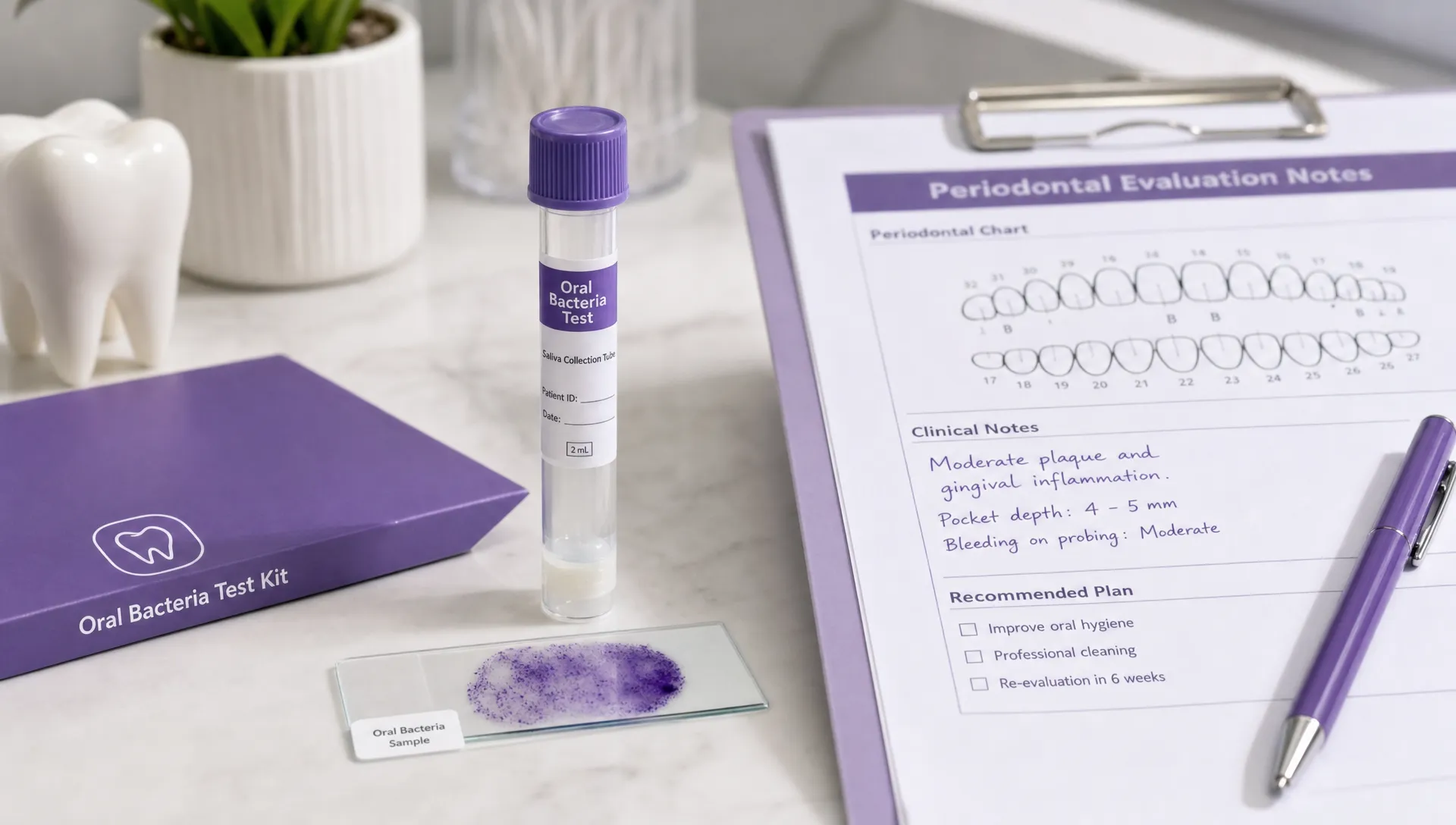
Your results may lead to a conversation about hygiene technique, gum therapy, nutrition, saliva quality, airway or sleep factors, ozone therapy when appropriate, material compatibility or additional diagnostics. The recommendation depends on the whole picture, not the saliva test alone.
How salivary diagnostics can guide prevention
The biggest advantage of salivary diagnostics is that they can shift care from reactive to proactive. Many people wait until they have pain, bleeding or visible damage before seeking help. A bacteria profile can reveal risk patterns earlier, which is valuable for preventive-focused adults and families who want more than a quick cleaning.
For example, if a patient has recurring bleeding gums but minimal discomfort, the report may show whether periodontal-associated bacteria are present in higher amounts. If someone has frequent cavities despite brushing, the conversation may turn toward acid-producing biofilm, dry mouth, mineral balance, diet, mouth breathing or product ingredients that may not be supporting that patient’s microbiome.
For patients traveling from Broken Arrow, Jenks, Bixby, Owasso, Sand Springs, Oklahoma City or neighboring states, this depth can be a reason to seek a biological evaluation rather than a routine dental visit. The goal is to learn why patterns keep recurring and what can be adjusted in a way that respects your whole-body health.
Salivary diagnostics can also help monitor change. If a patient completes periodontal therapy, improves home care or addresses nutrition and inflammation, a follow-up test may show whether bacterial risk patterns have shifted. That does not guarantee a specific outcome, but it gives both patient and provider more data than guesswork.
What salivary diagnostics cannot tell you
Saliva testing is powerful, but it has limits. It does not replace a dental exam, periodontal charting, imaging or clinical judgment. It cannot diagnose systemic disease, and it should not be used to make medical decisions without the right healthcare provider involved.
A saliva sample is also a snapshot in time. Your oral bacteria profile can be influenced by recent cleanings, illness, antibiotics, mouth rinses, diet, hydration, smoking, stress, sleep quality, hormonal changes and home care habits. That is why interpretation matters more than the raw report.
A biological dentist looks at the test as one piece of evidence. If results suggest active periodontal risk, the next step is not panic. The next step is a careful review of what is happening in the mouth and what might be contributing to it.
Who may benefit most from salivary diagnostics
Salivary diagnostics can be useful for many adults, but it may be especially meaningful for people who want personalized prevention rather than generic advice. Patients with unexplained gum bleeding, persistent bad breath, recurring decay, a history of periodontal treatment, dry mouth, immune challenges, gut issues or chronic inflammatory concerns often want a deeper view of their oral environment.
It can also be helpful before cosmetic or restorative work. If someone wants whiter teeth, veneers or other smile enhancement, a biological dentist may first want to understand whether the gums and biofilm are stable. A beautiful smile is easier to maintain when the foundation is healthier.
Toxin-sensitive patients may also appreciate that salivary diagnostics align with a low-toxicity mindset. Instead of relying only on broad-spectrum antimicrobial products or conventional defaults, the data can support more intentional decisions about prevention, materials, hygiene and follow-up.
Frequently Asked Questions
Is salivary diagnostics painful? No. The test usually involves providing a saliva sample, which is noninvasive and generally simple for the patient.
Does a high level of certain bacteria mean I have gum disease? Not by itself. Salivary diagnostics help identify risk patterns, but Dr. Toler interprets results with your exam, periodontal measurements, symptoms, imaging when needed and health history.
Can salivary testing help if my gums do not bleed? Yes, it may still provide useful information. Some patients have microbial imbalances or early risk patterns before they notice discomfort, bleeding or visible changes.
Will the test tell me which mouthwash or probiotic to use? It can help guide a more targeted conversation, but product recommendations should be personalized. A biological approach considers your microbiome, sensitivities, medical history and dental findings.
How often should salivary diagnostics be repeated? Timing depends on your risk, results and treatment plan. Some patients may use it for baseline information, while others may repeat testing to monitor changes after therapy or home care adjustments.
Ready to learn what your saliva says about your health?
If you want a deeper understanding of your oral bacteria profile, Origin Dental Wellness offers biological dental care in Tulsa for patients throughout the metro, including Broken Arrow, Jenks, Bixby, Owasso and Sand Springs, as well as patients traveling from Oklahoma City and neighboring states.
Dr. Toler and our team use salivary diagnostics as part of a comprehensive, health-centered approach that considers your microbiome, inflammation, material compatibility and overall wellness. If you are ready for dentistry that looks beyond symptoms, schedule a visit with Origin Dental Wellness.