

Many Tulsa patients come to fluoride-free dentistry with the same practical question: if you do not use fluoride, how do you help prevent cavities?
At Origin Dental Wellness, the answer is not to do less. It is to look deeper. A fluoride-free dentist focuses on the conditions that allow decay to start in the first place, including oral bacteria, saliva quality, mineral balance, diet, inflammation, dental materials and daily habits. Shannon Toler, DDS, BCHN, AIAOMT, FAAOSH, FMRII, is a Biological Dentist and Board Certified Holistic Nutritionist, so cavity prevention is viewed through both a dental and whole-body lens.
This approach is especially relevant for toxin-sensitive patients, adults with systemic health concerns, families pursuing a lower-toxin lifestyle and anyone who wants preventive care without making fluoride the center of the plan.
Fluoride-free does not mean prevention-free
Tooth decay is not random. The National Institute of Dental and Craniofacial Research describes cavities as a process of mineral loss and repair. Bacteria in dental plaque feed on sugars and starches, produce acids and lower the pH around the teeth. When acid exposure overwhelms the mouth's ability to rebuild mineral structure, enamel and dentin can break down.
Conventional dentistry often uses fluoride as one tool in that process. In our biological practice, we choose a different path. Our fluoride-free approach asks why the mouth is losing mineral resilience, why harmful biofilm is thriving and whether the patient's nutrition, saliva, immune health or dental materials are contributing to the problem.
That distinction matters. Avoiding fluoride is not the same as ignoring cavities. It means prevention needs to be more personalized, more comprehensive and more connected to the patient's biology.
The biological model of cavity prevention
A fluoride-free dentist is not only looking for holes in teeth. Dr. Toler evaluates the terrain that allows decay to develop. That terrain includes the microbial environment, the quality of saliva, nutrition status, the way teeth come together, previous dental work and the patient's medical history.
Dental plaque is a living biofilm, not just a sticky film to scrape away. Philip Marsh's well-known ecological plaque hypothesis, summarized in PubMed, explains that disease can develop when the oral environment shifts in favor of acid-producing and acid-tolerant organisms. In plain language, the goal is not to sterilize the mouth. The goal is to help the mouth become less welcoming to cavity-promoting bacteria.
| Prevention factor | What a fluoride-free dentist evaluates | Why it matters |
|---|---|---|
| Biofilm balance | Plaque quality, bleeding, gum inflammation and bacterial patterns | Cavities and gum issues often begin with microbial imbalance |
| Saliva | Dry mouth, pH support, mineral availability and flow | Saliva helps buffer acids and supports natural remineralization |
| Nutrition | Sugar frequency, mineral intake, fat-soluble nutrients and digestion | Teeth need internal and external mineral support |
| Materials | Existing fillings, metals, sensitivities and restoration choices | Biocompatibility can matter for sensitive or immune-challenged patients |
| Daily habits | Brushing, interdental cleaning, snacking patterns and product choices | Small routines shape the oral environment every day |
If you want a broader look at this philosophy, Origin's guide to building a healthy smile in a fluoride-free practice explains how bacteria, saliva, nutrition and materials work together.
Biofilm care without trying to sterilize the mouth
The mouth has a microbiome, and that microbiome is meant to include bacteria. Problems develop when the balance shifts toward organisms that produce more acid, irritate the gums or create inflammatory byproducts.
In a biological cleaning and prevention model, the goal is careful disruption of harmful biofilm while respecting the mouth's natural ecosystem. That may include professional cleanings, periodontal evaluation, salivary or biofilm diagnostics when appropriate and home care guidance that matches the patient's actual risk pattern.
For some patients, the biggest issue is plaque stagnation between teeth. For others, it is frequent snacking, mouth breathing, dry mouth from medications or systemic inflammation that changes the oral environment. A one-size-fits-all cavity prevention plan misses those differences.
A fluoride-free approach also avoids assuming that stronger chemicals are always better. Many toxin-sensitive patients prefer oral care products that are effective but lower in unnecessary additives. Dr. Toler may discuss product choices, brushing technique and interdental cleaning based on the patient's tissues, restorations and sensitivities.
Saliva is one of your most important cavity defenses
Saliva is not just moisture. It helps rinse food debris, dilute acids, support comfortable chewing and maintain a healthier oral environment. The National Institute of Dental and Craniofacial Research notes that saliva protects oral tissues and can offer clues about overall health.
In cavity prevention, saliva matters because acids pull minerals out of tooth structure. A healthier saliva environment helps buffer those acids and supports the mouth's natural repair cycle. When saliva flow is low or the mouth stays acidic for long periods, cavity risk can rise.
Common contributors to dry mouth or poor saliva quality include dehydration, mouth breathing, certain medications, stress, autoimmune conditions and frequent intake of acidic beverages. A biological dental visit can help identify which of those may be relevant, but it does not replace medical evaluation when systemic issues are suspected.
For Tulsa and Oklahoma patients who are dealing with dry mouth, gut issues, immune concerns or medication-related changes, this is one reason a more comprehensive new patient visit can be valuable. The dental finding is only one part of the story.
Nutrition supports teeth from the inside out
Because Dr. Toler is also a Board Certified Holistic Nutritionist, nutrition is not treated as a side note. Teeth are mineralized tissues. They develop, repair and respond within a body that needs adequate nutrients, stable blood sugar, healthy digestion and a manageable inflammatory load.
A fluoride-free cavity prevention plan often looks at patterns such as frequent grazing, high-sugar drinks, low protein intake, mineral insufficiency or digestive issues that may affect nutrient absorption. The point is not to hand every patient the same diet sheet. It is to understand which habits are keeping the mouth in an acidic or depleted state.
Fat-soluble vitamins and minerals are often part of the conversation, especially vitamin D, vitamin A, vitamin K2, calcium, magnesium and phosphorus. Origin's article on vitamins for teeth goes deeper into how these nutrients relate to oral health. Any supplementation decisions should be personalized and coordinated with the patient's healthcare team when medical conditions, medications or pregnancy are involved.
Biocompatible restoration choices when a cavity needs treatment
Prevention is ideal, but cavities can still happen. A fluoride-free dentist should be prepared to treat decay in a way that aligns with the patient's health goals.
At Origin Dental Wellness, restorative decisions are made with biocompatibility in mind. That can include evaluating existing restorations, discussing material sensitivities and considering testing such as MELISA when metal allergy or immune reactivity is a concern. For patients with mercury amalgam fillings, Dr. Toler's biological training also informs safer handling protocols, including SMART principles when mercury removal is clinically appropriate.
When a new filling is needed, the question is not only whether the tooth can be patched. It is also which material is the best fit for that patient's mouth, immune system and long-term wellness goals. You can learn more about this decision-making process in Origin's guide to how a bio dentist chooses safer materials.
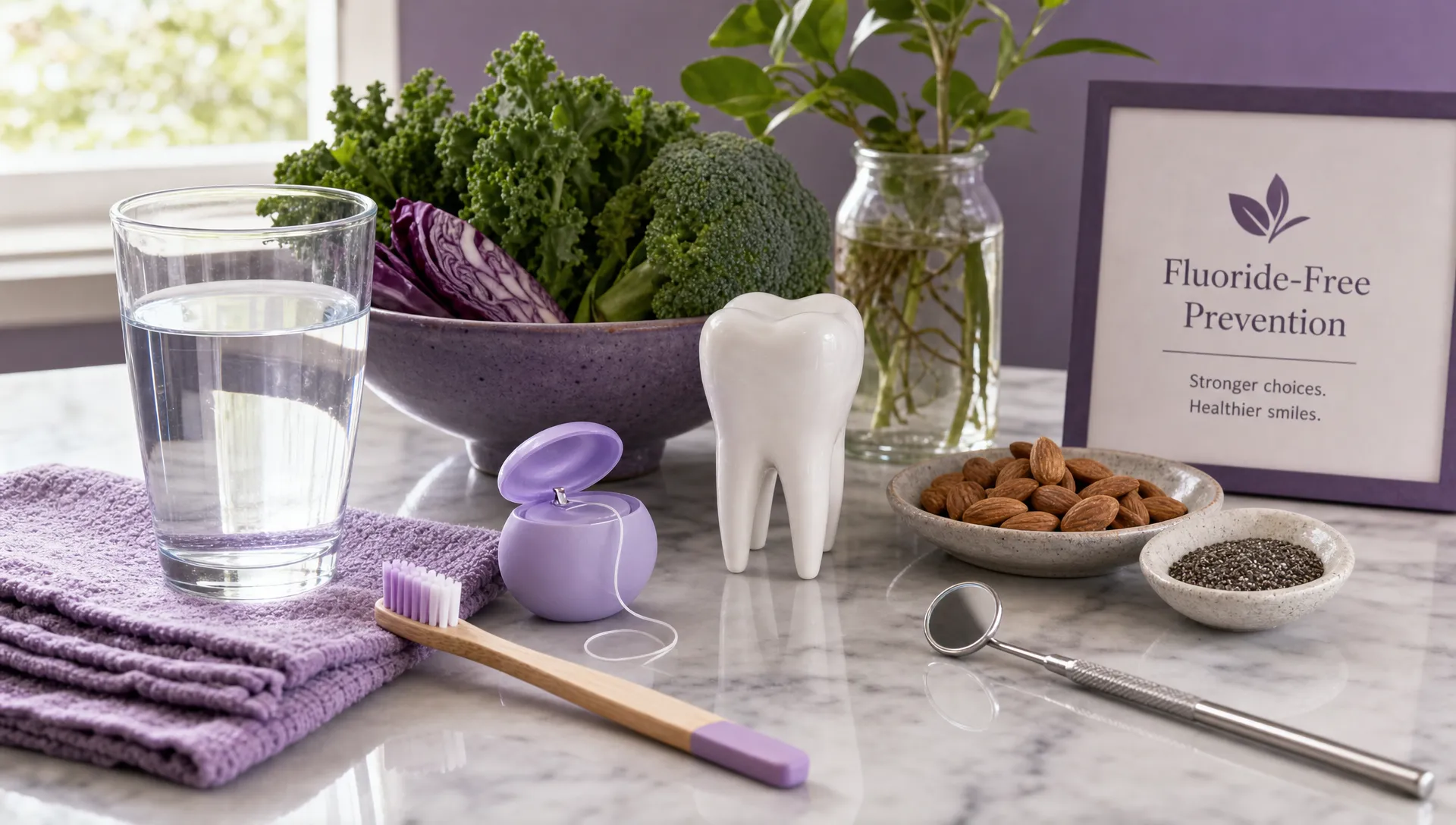
Home routines matter more than most people think
Cavity prevention is built between dental visits. Professional care can identify risk, remove hardened deposits and guide treatment, but the oral environment is shaped every day at home.
For adults and families pursuing a lower-toxin lifestyle, the basics still matter: brushing thoroughly, cleaning between teeth, reducing the frequency of sugar and refined starch exposure, drinking water, supporting nasal breathing and choosing oral care products that fit your biology. The details may vary from patient to patient, especially for those with sensitive tissues, orthodontic appliances, dry mouth or multiple restorations.
Consistency is often the missing piece. This is true across many areas of health, not only dentistry. Personalized support can help people maintain routines at home, whether that means family help, local caregiving or personalized home care support for daily living needs. In oral health, the same principle applies: the best plan is the one a person can actually follow.
For parents, caregivers and health-curious adults, a fluoride-free plan should be realistic. If a child resists flossing, if an older parent has dry mouth or if an immune-compromised adult cannot tolerate common products, the solution is not guilt. It is a better fit.
How a fluoride-free prevention visit may look at Origin
At our Tulsa biological dental practice, cavity prevention begins with a bigger picture of the person sitting in the chair. Dr. Toler may consider dental history, medical history, nutrition patterns, oral hygiene habits, gum health, existing dental materials and signs of inflammation or microbial imbalance.
Depending on the patient, recommendations may include:
- More precise home care instruction instead of generic brushing advice
- Saliva and biofilm evaluation when clinically helpful
- Nutrition guidance related to mineral support and sugar frequency
- Discussion of lower-toxin oral care products
- Biocompatible material planning for any needed restorations
- Ozone therapy or other biological tools when appropriate for the situation
- Cone beam CT imaging when a deeper structural view is clinically indicated
Not every patient needs every diagnostic tool. Biological dentistry should be personalized, not excessive. Dr. Toler's role is to decide what information is useful for that individual and what can be avoided.
Patients travel to Origin Dental Wellness from Tulsa, Broken Arrow, Jenks, Bixby, Owasso, Sand Springs, Oklahoma City and neighboring states because they want dental care that respects the oral-systemic connection. For many, fluoride-free prevention is one part of a larger commitment to lower-toxin, health-centered living.
What happens if decay is deep?
A fluoride-free approach does not promise that every cavity can be reversed or managed without intervention. If decay has progressed into deeper tooth structure, treatment may be needed to remove diseased tissue and restore function.
This is where philosophy matters. Origin Dental Wellness does not present root canal therapy as our recommended default. When a tooth is severely compromised, Dr. Toler discusses biological considerations, risks, benefits and alternatives in the context of the patient's overall health. The right path depends on the tooth, the infection risk, the patient's immune status and the patient's values.
The earlier decay is identified, the more options a patient may have. That is why prevention, diagnostics and consistent follow-up are central to fluoride-free care.
A practical daily framework for fluoride-free cavity prevention
A strong home routine does not need to be complicated. It does need to be consistent and matched to your risk.
Start with mechanical cleaning. Brushing should reach the gumline and all accessible tooth surfaces without scrubbing aggressively. Cleaning between teeth matters because many cavities begin where toothbrush bristles do not reach. If floss is not working well, a dental professional can help you choose another interdental option.
Next, reduce acid frequency. Sipping sweetened drinks, grazing on refined carbohydrates or using acidic beverages throughout the day keeps the mouth in a more demineralizing state. A fluoride-free dentist will often focus more on frequency than perfection, because repeated acid exposure is what keeps enamel under stress.
Finally, support the body. Sleep, hydration, nasal breathing, nutrient status, gut health and inflammation can all influence oral resilience. Dental prevention is not separate from the rest of the body.
Frequently Asked Questions
Can a fluoride-free dentist really help prevent cavities? Yes. A fluoride-free dentist can support cavity prevention by focusing on biofilm balance, saliva, nutrition, pH, home care habits, early detection and biocompatible treatment choices. No approach can guarantee that cavities will never occur, but prevention can be thorough without using fluoride.
What does Origin Dental Wellness use instead of fluoride? Our practice focuses on personalized prevention rather than swapping fluoride for a single substitute. Dr. Toler may recommend strategies related to biofilm control, saliva support, nutrition, lower-toxin products, diagnostics and restorative material choices based on the patient's needs.
Is fluoride-free dentistry only for toxin-sensitive patients? No. Many toxin-sensitive patients seek fluoride-free care, but this approach can also appeal to preventive-focused adults, families pursuing lower-toxin habits, immune-compromised patients and people who want dentistry connected to whole-body health.
Do I need special toothpaste if I do not use fluoride? Product choice depends on your mouth, sensitivities and cavity risk. Some patients do well with simple lower-toxin products, while others need more targeted support. A dental evaluation is the safest way to choose products that fit your biology.
What if I already have cavities? Existing decay needs an exam and a personalized treatment plan. A fluoride-free dentist can evaluate how advanced the cavity is, discuss conservative and restorative options and choose materials with biocompatibility in mind when treatment is needed.
Looking for a fluoride-free dentist in Tulsa?
If you want cavity prevention that fits a lower-toxin, whole-body lifestyle, Origin Dental Wellness offers a biological approach in Tulsa, Oklahoma. Dr. Shannon Toler looks beyond the surface of the tooth to evaluate saliva, biofilm, nutrition, materials and the oral-systemic connection.
Patients visit us from across the Tulsa metro, including Broken Arrow, Jenks, Bixby, Owasso and Sand Springs, as well as Oklahoma City and neighboring states. Contact Origin Dental Wellness to learn whether our fluoride-free, biological approach is the right fit for your next step in preventive care.