
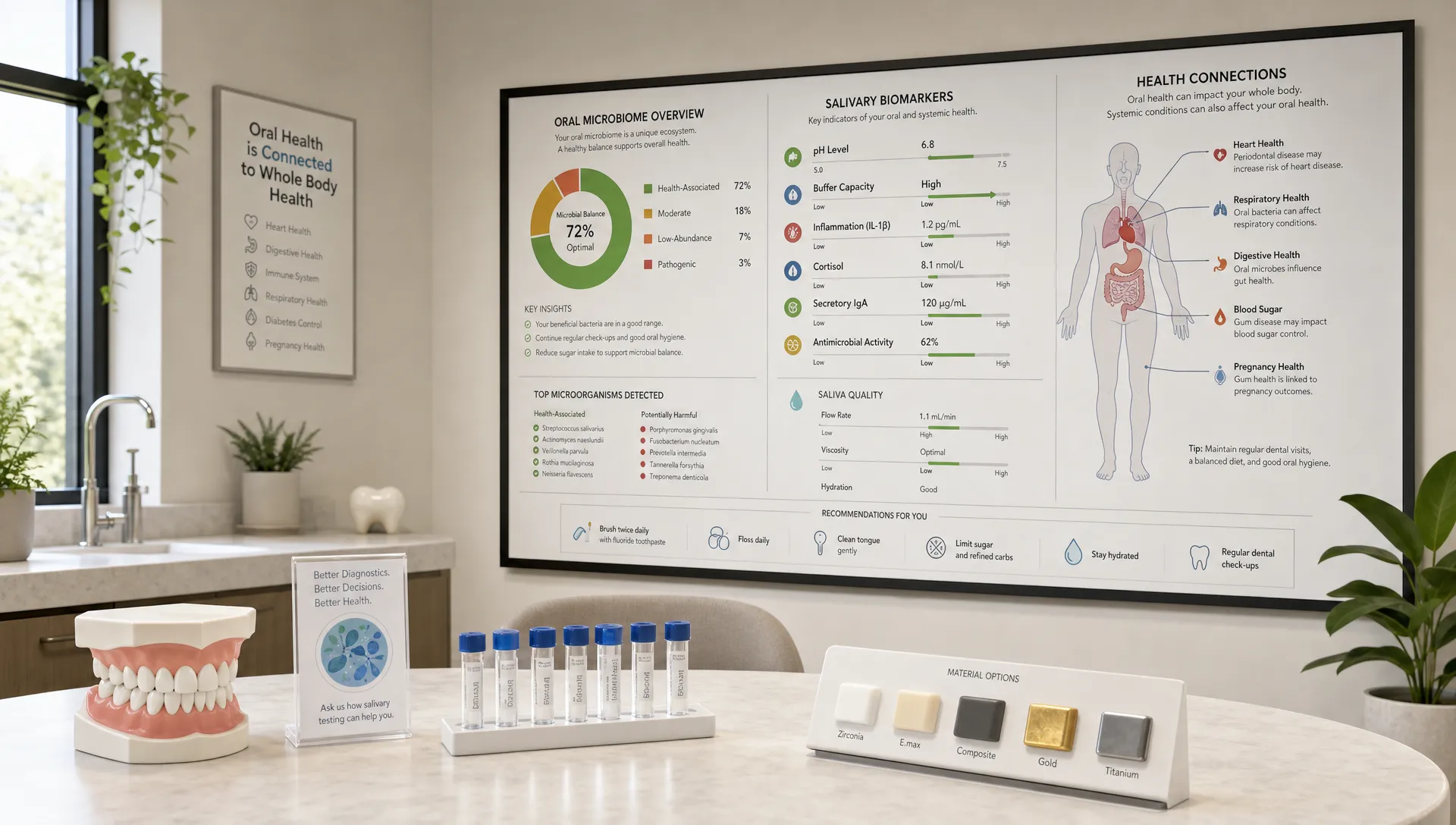
Most people think of dental care as cleanings, fillings, crowns, and fixing pain. Those things matter, but they are only part of the picture. Your mouth is a living environment connected to your immune system, circulation, digestion, nutrition, airway, and daily habits. When dentistry treats that connection seriously, it becomes a powerful part of preventive health.
That is the idea behind integrated dental care. Instead of looking at teeth in isolation, an integrated approach considers how oral bacteria, inflammation, dental materials, bone health, healing capacity, and lifestyle patterns may influence overall wellness. It does not replace medical care, but it can help patients make more informed decisions about their health.
For patients who want dentistry that feels more personal, more preventive, and more aligned with whole-body wellness, integrated dental care offers a more complete way to understand what is happening in the mouth and why it matters.
What integrated dental care really means
Integrated dental care is dentistry that connects oral health decisions with the rest of the body. It still includes the essentials, such as exams, cleanings, restorations, periodontal care, cosmetic services, and oral surgery when needed. The difference is the lens through which those services are planned.
Rather than asking only, “How do we repair this tooth?” an integrated dentist may also ask, “Why did this problem develop, what bacteria are involved, how is the tissue responding, what materials are best tolerated, and how can healing be supported?”
This approach often includes a closer look at:
- The oral microbiome and harmful biofilm
- Gum inflammation and periodontal health
- Saliva quality, pH, and disease risk markers
- Nutritional factors that support teeth and bone
- Biocompatible dental materials
- Safe removal protocols for certain restorations
- Healing support after surgery or periodontal therapy
- Coordination with a patient’s broader health history
Here is a simple way to compare a more isolated dental model with an integrated one:
| Dental concern | Symptom-focused question | Integrated dental question |
|---|---|---|
| Bleeding gums | How do we stop the bleeding? | What is driving inflammation, and what bacteria or habits are involved? |
| Recurrent cavities | Where should we place restorations? | Why is enamel breaking down, and how can saliva, diet, and biofilm be improved? |
| Dental materials | What material can repair the tooth? | Which material restores function while aligning with the patient’s sensitivities and health goals? |
| Tooth loss | How do we replace the tooth? | Is the bone foundation healthy enough, and how can healing be supported? |
| Surgery | How do we complete the procedure? | How do we reduce risk, support tissue repair, and plan for long-term stability? |
The goal is not to make dentistry complicated. The goal is to make it more complete.
The mouth-body connection is not just a wellness slogan
The mouth is one of the main entry points to the body. It is home to hundreds of bacterial species, and some are beneficial while others can contribute to decay, gum disease, and chronic inflammation. When the balance shifts toward harmful biofilm, oral disease can become more than a local issue.
According to the Centers for Disease Control and Prevention, a significant share of adults age 30 and older have some form of periodontal disease. That matters because periodontal disease is an inflammatory condition. Inflamed gum tissue can bleed, bacterial byproducts can irritate tissue, and the immune system may remain activated over time.
This does not mean gum disease directly causes every systemic condition it is associated with. Responsible integrated dentistry avoids exaggerated claims. However, research has repeatedly shown connections between oral health and broader health concerns, including cardiovascular risk, diabetes management, pregnancy outcomes, and inflammatory burden. The American Heart Association has also discussed the complex relationship between gum disease and heart health, including the role of shared risk factors and inflammation.
Origin Dental Wellness has explored this concept in more detail in its article on how the mouth is connected to the rest of the body. For patients, the takeaway is practical: if the mouth is inflamed, infected, or imbalanced, it is worth addressing early and thoughtfully.
Five ways integrated dental care supports better health
1. It focuses on prevention before breakdown
Many dental problems develop silently. Gum pockets can deepen without pain. Enamel can weaken before a cavity becomes obvious. Bone loss may progress before a tooth feels loose. Integrated dental care emphasizes early detection so patients can respond before small problems become complex ones.
This matters because prevention is usually less invasive, less expensive, and easier on the body than late-stage treatment. A preventive approach may include evaluating oral hygiene patterns, diet, saliva, bacterial load, airway-related dryness, and past dental history to identify what is driving disease.
2. It uses diagnostics to understand risk, not just damage
Traditional exams are important, but visual inspection and X-rays do not always tell the whole story. Integrated dental care may include advanced diagnostics such as oral biofilm testing, salivary diagnostics, or 3D imaging when clinically appropriate.
Biofilm and salivary testing can help identify patterns that are not obvious from symptoms alone. For example, two patients may both have bleeding gums, but their bacterial profile, immune response, saliva quality, and home care needs may be very different. Better information can lead to a more personalized plan.
3. It considers biocompatible materials
Dental materials stay in the mouth for years, sometimes decades. For many patients, standard materials work well. For others, material sensitivities, metal concerns, or whole-body health goals make biocompatibility an important part of treatment planning.
Integrated dental care does not assume that one material is right for everyone. It considers strength, function, esthetics, tissue response, and patient preferences. In biological dentistry, this may also include careful conversations about existing metal restorations and safe protocols if removal is appropriate.
4. It supports healthier healing
Healing is not just the closing of a wound. After periodontal therapy, extraction, implant placement, or oral surgery, the body must control inflammation, rebuild tissue, and restore stability. Integrated dental care looks at the environment in which healing occurs.
Some biological dental practices use therapies such as ozone, platelet-rich plasma, or platelet-rich fibrin to support the local healing environment. These tools are not magic shortcuts, but they reflect an important principle: dental treatment should work with the body’s natural repair processes whenever possible.
5. It encourages collaboration and whole-person thinking
The mouth can reveal signs that may deserve broader attention. Dry mouth may relate to medications, hydration, mouth breathing, or autoimmune issues. Persistent gum inflammation may be harder to control when blood sugar is not well regulated. Poor bone density, nutrient deficiencies, stress, and immune challenges can all affect oral health.
An integrated dentist does not diagnose or manage every medical concern. Instead, they recognize patterns, ask better questions, and encourage patients to involve the right healthcare professionals when needed. That kind of collaboration can help patients avoid fragmented care.
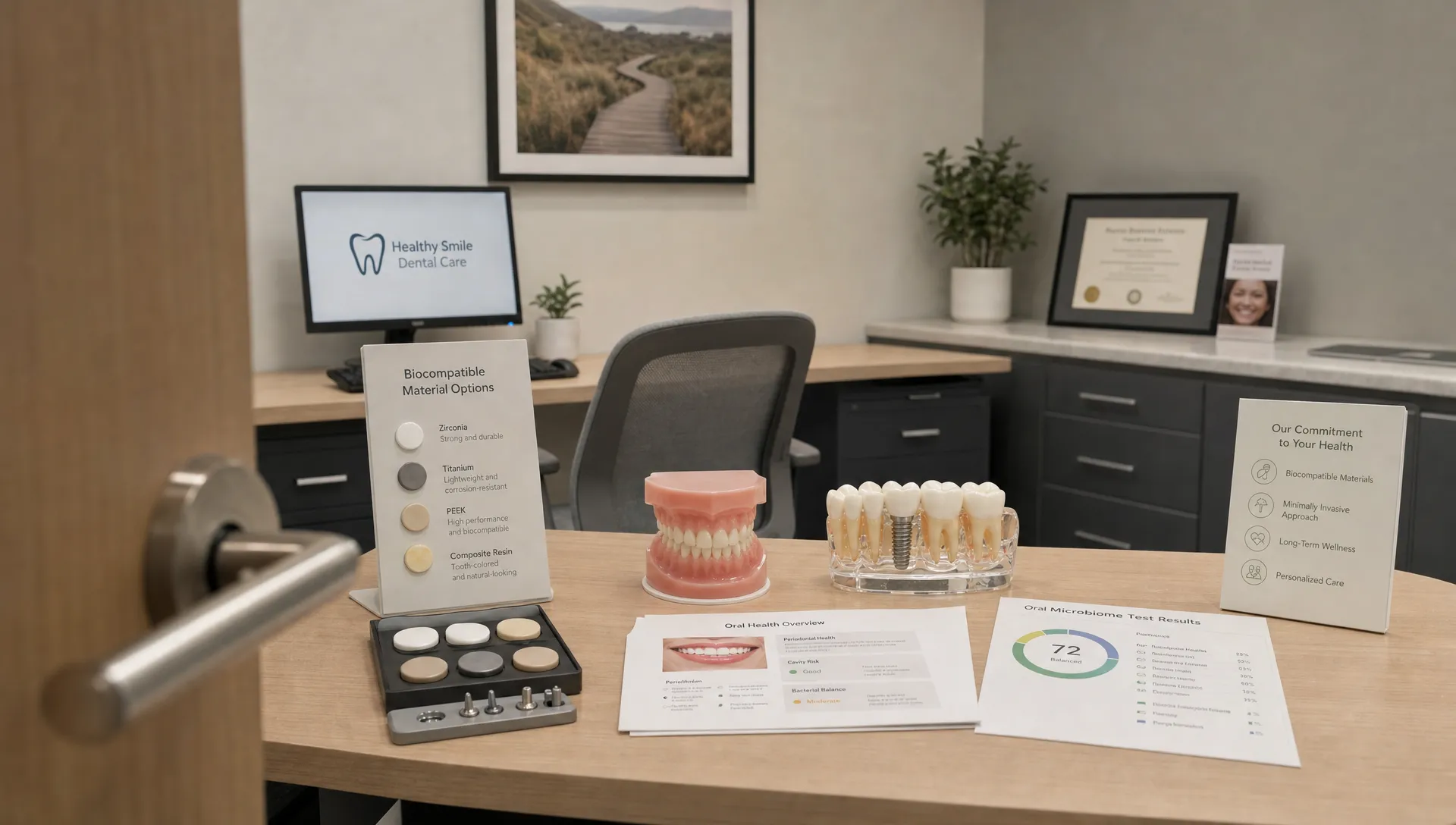
What integrated care looks like in a biological dental practice
At Origin Dental Wellness, integrated dental care aligns with a health-centered philosophy. That means dental decisions are made with attention to the mouth, the body, and the patient’s long-term wellness goals. You can learn more about this approach in Origin’s overview of health-centered dentistry.
In practice, this may include preventive care, restorative dentistry, periodontal care, cosmetic services, dental implants, and oral surgery, all planned with a focus on biocompatible materials and advanced diagnostics. Origin Dental Wellness also emphasizes services such as oral biofilm testing, salivary diagnostics, ozone therapies, PRP and PRF healing support, and safe mercury removal protocols.
The value is not in any single service by itself. The value is in how the information is connected. A patient with gum inflammation, old restorations, tooth sensitivity, and a history of health concerns should not feel like each issue exists in a separate box. Integrated care helps connect the dots.
How to choose integrated dental care without hype
Because “holistic” and “integrated” can mean different things from one practice to another, patients should look for clarity. A trustworthy provider should explain what they do, why they do it, what the evidence suggests, and where the limits are.
Clear public information also matters. When people research local health providers, a well-organized website can help them understand services, safety protocols, and treatment philosophy before they ever call. Outside healthcare, many service businesses work with local visibility and website optimization specialists to make accurate information easier to find, but in dentistry the substance behind that information is what matters most.
A strong integrated dental practice should be willing to discuss:
- Why a treatment is recommended
- What diagnostic findings support the plan
- Which material options are available
- How periodontal and bacterial risks are addressed
- How healing will be supported
- What alternatives exist, including the choice to delay or decline care when appropriate
- When medical collaboration may be helpful
A good sign is balanced language. Integrated dentistry should not rely on fear, miracle claims, or one-size-fits-all treatment. It should help patients understand risk, make informed decisions, and feel respected throughout the process.
Questions to ask an integrated dentist
If you are considering a more whole-body approach to dentistry, the right questions can reveal whether a practice is truly integrated or simply using wellness language.
| Question | What a helpful answer should include |
|---|---|
| How do you evaluate gum inflammation? | Discussion of periodontal measurements, biofilm, home care, and risk factors |
| Do you use salivary or bacterial testing? | When testing is useful, what it measures, and how results affect treatment |
| How do you choose dental materials? | Strength, esthetics, biocompatibility, patient history, and long-term function |
| What is your approach to mercury filling removal? | Safety protocols, patient protection, and whether removal is clinically appropriate |
| How do you support healing after surgery? | Tissue health, infection control, nutrition basics, and any adjunctive therapies used |
These questions are not meant to challenge your dentist. They are meant to start a better conversation. Integrated dental care works best when the patient and clinician are both engaged.
When integrated dental care may be especially valuable
Integrated dentistry can benefit nearly anyone, but it may be especially helpful for patients who have recurring dental problems or want a more personalized approach. For example, someone who brushes and flosses but still develops cavities may need a deeper look at saliva, diet, oral bacteria, or enamel support. Someone with persistent gum inflammation may benefit from understanding the microbial and inflammatory side of periodontal disease.
It can also be valuable for patients considering implants or oral surgery. Successful outcomes depend on more than placing a restoration in the right position. Bone health, infection control, soft tissue quality, and healing capacity all matter. A truly integrated plan considers those foundations before treatment begins.
Patients with material sensitivities, autoimmune conditions, chronic inflammation, or complex medical histories may also appreciate a dental team that listens carefully and plans conservatively. Again, integrated dental care is not a substitute for medical treatment. It is a way to make dentistry more compatible with the rest of a patient’s health picture.
Better health starts with better context
The biggest strength of integrated dental care is context. A cavity is not just a hole. Bleeding gums are not just a cleaning issue. A missing tooth is not just a space. Each condition has causes, consequences, and treatment choices that can affect comfort, function, inflammation, and long-term wellness.
When dentistry is integrated, patients are more likely to understand why problems happen and what they can do about them. They are also more likely to receive care that respects their biology, their preferences, and their broader health goals.
That is why integrated dental care supports better health. It moves dentistry from repair alone toward prevention, personalization, and whole-person awareness.
Frequently Asked Questions
What is integrated dental care? Integrated dental care is an approach that connects oral health with whole-body health. It considers teeth, gums, bacteria, saliva, materials, healing, lifestyle, and medical history when planning care.
Is integrated dental care the same as holistic dentistry? They are closely related, but not always identical. Holistic dentistry usually emphasizes whole-body wellness and biocompatible choices, while integrated dental care focuses on connecting dental findings with broader health context and collaboration.
Can gum disease affect overall health? Gum disease is linked with systemic inflammation and has been associated with conditions such as cardiovascular disease and diabetes. It is important to avoid overstating cause and effect, but controlling oral inflammation is a smart part of preventive health.
Do integrated dentists still provide regular dental services? Yes. Integrated dentists may provide preventive, restorative, periodontal, cosmetic, and surgical care. The difference is that treatment planning often includes more attention to diagnostics, materials, inflammation, and healing.
Who should consider integrated dental care? Anyone who wants a more personalized, prevention-focused approach can consider it. It may be especially useful for people with recurring cavities, gum inflammation, material concerns, tooth loss, or complex health histories.
Take a more connected approach to your oral health
If you want dental care that looks beyond individual teeth and considers your whole-body wellness, Origin Dental Wellness offers a biological, health-centered approach in Tulsa. Explore Origin Dental Wellness to learn how integrated dental care can support a healthier foundation for your smile and your overall well-being.