
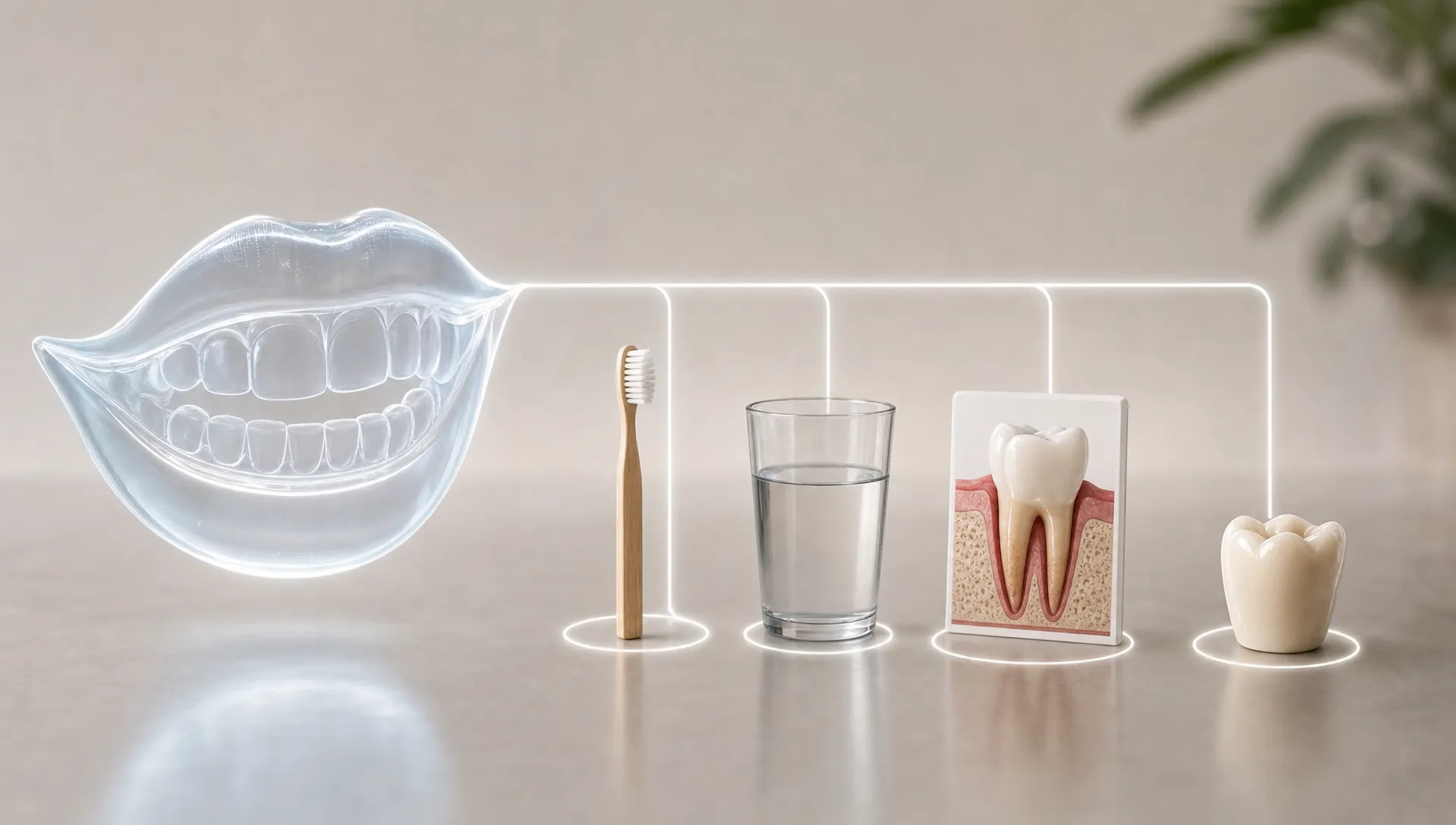
For many patients, a dental visit used to mean one of two things: a cleaning or a repair. You went in when something hurt, chipped, bled, or looked different. Modern patients are asking for more. They want to understand why a problem happened, how it may affect the rest of the body, what materials are being used, and how to prevent the next issue before it begins.
That is the heart of total care dental. It is not a single procedure or a marketing phrase for doing more dentistry. It is a broader way of thinking about oral health, one that treats the mouth as part of the whole person.
For patients who value prevention, biological dentistry, and long-term wellness, total care dental means care that is more connected, more personalized, and more transparent.
Why dental care is changing
Modern patients have access to more health information than any generation before them. They read ingredient labels. They ask about inflammation, sleep, nutrition, and toxicity. They compare treatment options before making decisions. They also recognize that the mouth is not separate from the rest of the body.
This shift matters because oral health is deeply connected to daily function and overall wellness. Gum health, chewing ability, airway concerns, oral infections, and restorative materials can all influence how a person feels and functions. In the United States, gum disease remains extremely common among adults, and it is one of the clearest examples of how oral inflammation can become a long-term health concern if ignored.
Total care dental meets this moment by moving beyond a problem-and-repair model. Instead of only asking, What tooth needs work today? it asks better questions: What is driving the issue? What is the least invasive path forward? What materials are best for this patient? How can we support healing? How can we help this person stay healthier over time?
What total care dental really means
At its best, total care dental is comprehensive dentistry with a whole-body perspective. It brings together prevention, diagnostics, restorative care, periodontal therapy, cosmetic goals, and patient education into one thoughtful plan.
In a conventional setting, dental care may focus mainly on the visible condition of the teeth and gums. That is still important. Cavities, cracked teeth, bite problems, and gum disease need skilled evaluation and treatment. But total care dental adds a wider lens by considering biology, lifestyle, materials, and the patient’s broader health story.
A total care dental approach often includes:
- Prevention-first planning that prioritizes early detection, routine maintenance, and risk reduction.
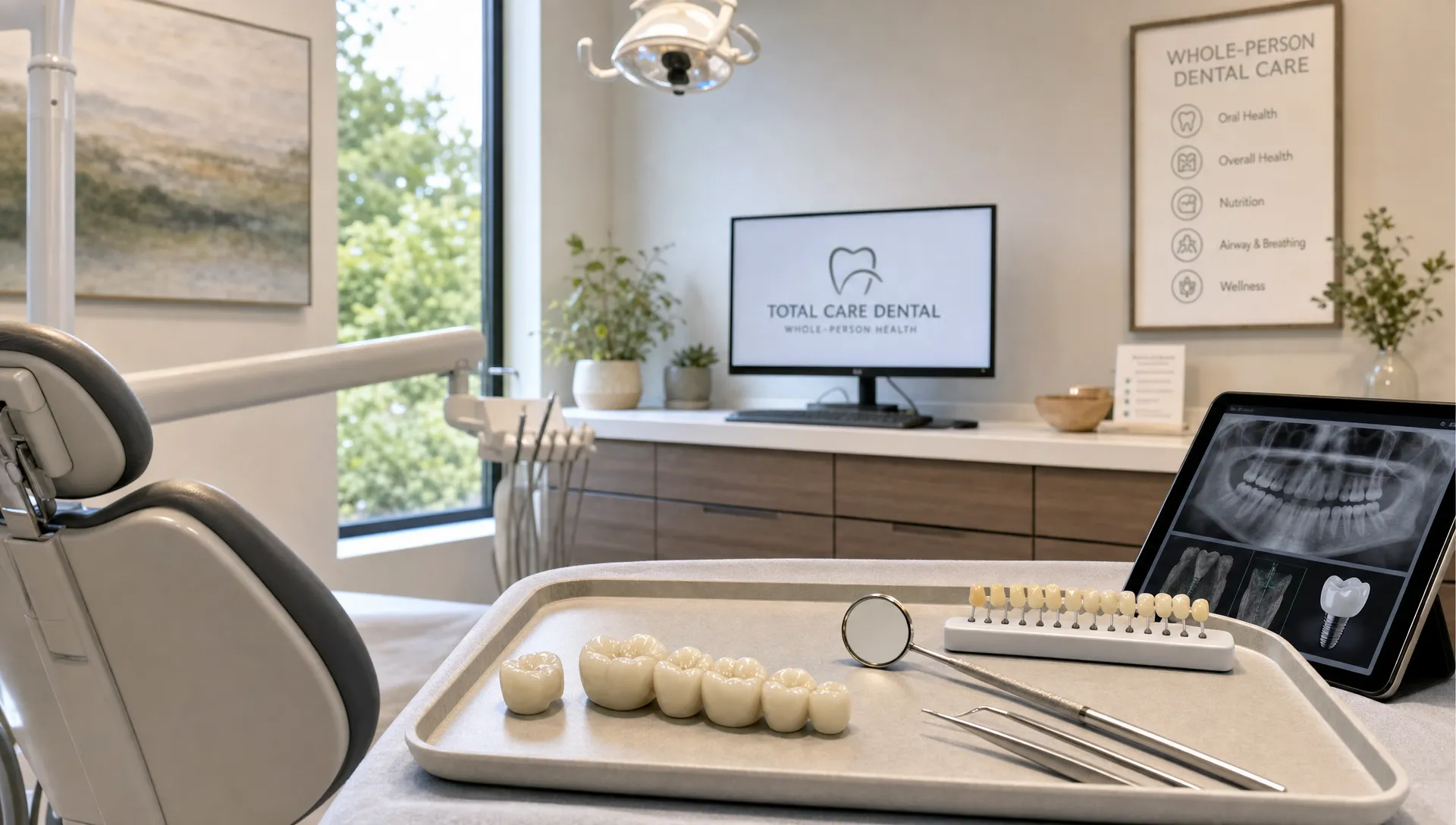
- Advanced diagnostics such as salivary testing, oral biofilm evaluation, digital imaging, or 3D imaging when clinically appropriate.
- Biocompatible material choices that consider how dental materials interact with the body.
- Periodontal health support because healthy gums and bone are the foundation of long-term oral health.
- Conservative restorative care that aims to preserve as much natural tooth structure as possible.
- Healing-focused therapies such as ozone, platelet-rich plasma, or platelet-rich fibrin when suited to the treatment plan.
- Clear patient education so people understand their options before making decisions.
For a biological dental practice like Origin Dental Wellness, this aligns closely with a health-centered dentistry philosophy, where the goal is not only to fix teeth but to support the patient’s total wellness.
Total care dental vs. symptom-based dentistry
A symptom-based dental model is often reactive. A tooth hurts, so the tooth is treated. A filling breaks, so it is replaced. Gums bleed, so the patient is told to floss more. Sometimes that approach is necessary, especially in urgent situations. But it can miss patterns.
Total care dental looks for those patterns. Is bleeding related to oral biofilm, home care technique, systemic inflammation, medication, or an outdated restoration that traps plaque? Is a cracked tooth just bad luck, or is the bite overloaded? Is a patient getting repeated cavities because of diet, dry mouth, acid exposure, bacterial imbalance, or all of the above?
| Care focus | Symptom-based model | Total care dental model |
|---|---|---|
| Main goal | Treat the immediate dental problem | Understand and treat the problem while reducing future risk |
| Patient role | Receives treatment recommendations | Participates in decisions with education and context |
| Diagnostics | Often limited to visual exam and standard X-rays | May include deeper testing and advanced imaging when needed |
| Materials | Standard dental materials | Greater attention to biocompatibility and patient preference |
| Prevention | Routine cleanings and basic advice | Personalized prevention based on risk factors and findings |
| Health perspective | Mouth-focused | Mouth-body connection considered throughout care |
This does not mean every patient needs every test or every advanced therapy. A good total care approach is not about doing more for the sake of doing more. It is about doing what is appropriate, informed, and aligned with the patient’s needs.
The role of diagnostics in modern total care
One of the biggest differences modern patients notice is the level of investigation. Total care dental often begins with better information.
For example, salivary diagnostics can help identify markers related to oral health risk. Oral biofilm testing may give insight into the bacterial communities contributing to gum inflammation or recurrent disease. Digital imaging and 3D scans can help dentists evaluate structures that are not visible during a standard exam.
This matters because two patients can have the same symptom but very different causes. Bleeding gums, for instance, may look simple on the surface. But the treatment plan may differ depending on the patient’s bacteria, immune response, home care routine, restorative history, nutrition, and systemic health background.
Modern patients appreciate this because it makes care feel less generic. Instead of being told what is wrong without much explanation, they can see why a recommendation is being made and how it fits into a larger plan.
Biocompatible materials and restorative choices
For many patients, the materials used in dentistry are no longer an afterthought. They want to know what is being placed in their mouth and whether it supports their values around health and wellness.
Biocompatible dentistry considers how materials interact with oral tissues and the body. This can include metal-free restorations, ceramic options, and careful planning for patients with sensitivities or specific health concerns. In biological dentistry, it may also include safe mercury removal protocols for patients replacing amalgam fillings.
Restorative technology has improved significantly in recent years. Same-day ceramic restorations, for example, may allow a damaged tooth to be restored efficiently without traditional impressions or temporary crowns in certain cases. Patients interested in this type of modern, metal-free option can learn more about CEREC crown benefits and how digital dentistry can fit into a more comfortable treatment experience.
Prevention becomes personal
Prevention is often discussed as if it means the same thing for everyone: brush, floss, and visit the dentist regularly. Those basics matter, but total care dental takes prevention further.
A patient with dry mouth needs a different prevention plan than a patient with high oral acidity. Someone with recurring gum inflammation may need biofilm management and periodontal monitoring. A patient with multiple old restorations may need a long-term plan to prevent cracks, leakage, or bite-related breakdown. Someone preparing for surgery may benefit from a healing-focused discussion before the procedure takes place.
This is similar to how patients increasingly think about wellness in other areas of healthcare. When pain, movement, and lifestyle factors overlap, people often look for integrated support from providers such as a pain relief and wellness clinic rather than treating one symptom in isolation. Total care dental applies that same broader mindset to the mouth, recognizing that dental health is influenced by habits, biology, structure, and the body’s ability to heal.
Personalized prevention may include home care coaching, nutrition conversations, periodontal maintenance, evaluation of existing restorations, airway and bite considerations, or testing when appropriate. The point is not to overwhelm the patient. The point is to make prevention specific enough to be useful.
What modern patients should expect from a total care dental visit
A total care dental experience should feel different from a rushed appointment. It should include time for questions, a thoughtful review of health history, and an explanation of what the dental team is looking for.
Patients can expect the conversation to include more than teeth. A dentist may ask about inflammation, medications, prior dental work, sleep, nutrition, sensitivities, medical history, or previous experiences with dental treatment. This does not replace medical care, but it helps the dental team understand the full context.
The exam itself may include a detailed evaluation of teeth, gums, bite, oral tissues, existing restorations, and signs of infection or inflammation. When needed, additional diagnostics can help clarify what is happening below the surface. From there, the treatment plan should explain priorities clearly: what is urgent, what can be monitored, what options exist, and what the patient can do at home.
Most importantly, modern patients should feel respected. Total care dental is not about pressuring someone into a predetermined plan. It is about creating a partnership where clinical expertise and patient values both matter.
When total care dental matters most
Every patient can benefit from a more complete view of oral health, but total care dental is especially valuable when there are repeated or complex issues.
It may be particularly helpful for patients who have ongoing gum inflammation, multiple failing restorations, concerns about mercury fillings, missing teeth, dental implant needs, cosmetic goals, oral surgery needs, or unresolved symptoms that have not been fully explained.
It can also be important for patients who feel anxious about dentistry. A clearer plan, more education, and a slower, more collaborative approach can make care feel less intimidating. When patients understand what is happening and why, they are often better able to make confident decisions.
For out-of-town patients visiting a biological dental practice, planning matters too. If you are traveling to Tulsa for care, Origin Dental Wellness offers a helpful guide for your Tulsa visit with local recommendations to make the trip easier.
How to choose a total care dental provider
Choosing the right dentist is not only about services. It is about philosophy, communication, and trust. A practice may offer advanced technology, but patients should still feel heard and informed.
Helpful questions to ask include: How do you evaluate gum disease risk? What materials do you use for restorations? Do you offer biocompatible options? How do you approach mercury filling removal? What diagnostics are available when a problem is not obvious? How do you help patients prevent future issues? What happens if I have concerns about root canals, implants, or oral surgery?
The answers should be clear, balanced, and specific. A trustworthy provider should be able to explain benefits, limitations, and alternatives without making the patient feel rushed.
The future of total care dental
Modern dentistry is becoming more precise, more personalized, and more connected to whole-body health. Patients are no longer satisfied with care that only addresses the visible problem. They want dentistry that helps them understand their risks, protect their long-term health, and choose materials and treatments that align with their values.
Total care dental represents that shift. It combines clinical skill with prevention, diagnostics, biological awareness, and patient partnership. For many people, that is exactly what dental care should have been all along.
Frequently Asked Questions
What does total care dental mean? Total care dental means comprehensive dental care that considers prevention, diagnostics, restorative needs, gum health, material choices, and whole-body wellness rather than focusing only on isolated symptoms.
Is total care dental the same as holistic dentistry? They overlap, but they are not always identical. Total care dental describes a comprehensive approach, while holistic or biological dentistry specifically emphasizes the mouth-body connection, biocompatible materials, and health-centered treatment planning.
Do all patients need advanced dental testing? No. Advanced diagnostics should be recommended based on the patient’s history, symptoms, risk factors, and clinical findings. The goal is appropriate information, not unnecessary testing.
Why do materials matter in total care dental? Dental materials remain in the mouth for years, so many patients want options that are durable, functional, aesthetic, and biocompatible. A total care approach includes discussing those choices before treatment.
Can total care dental help prevent future dental problems? Yes. By identifying risk factors early and personalizing prevention, total care dental can help patients reduce the likelihood of recurring cavities, gum disease progression, restoration failure, and other avoidable problems.
Ready for a more complete approach to dental wellness?
If you are looking for dentistry that treats your mouth as part of your whole health, Origin Dental Wellness offers a biological, patient-centered approach in Tulsa. From prevention and periodontal care to biocompatible restorations, safe mercury removal, oral surgery, and advanced diagnostics, the focus is on helping patients make informed decisions for long-term wellness.
Schedule a visit with Origin Dental Wellness to experience what total care dental can mean for your health, comfort, and confidence.