
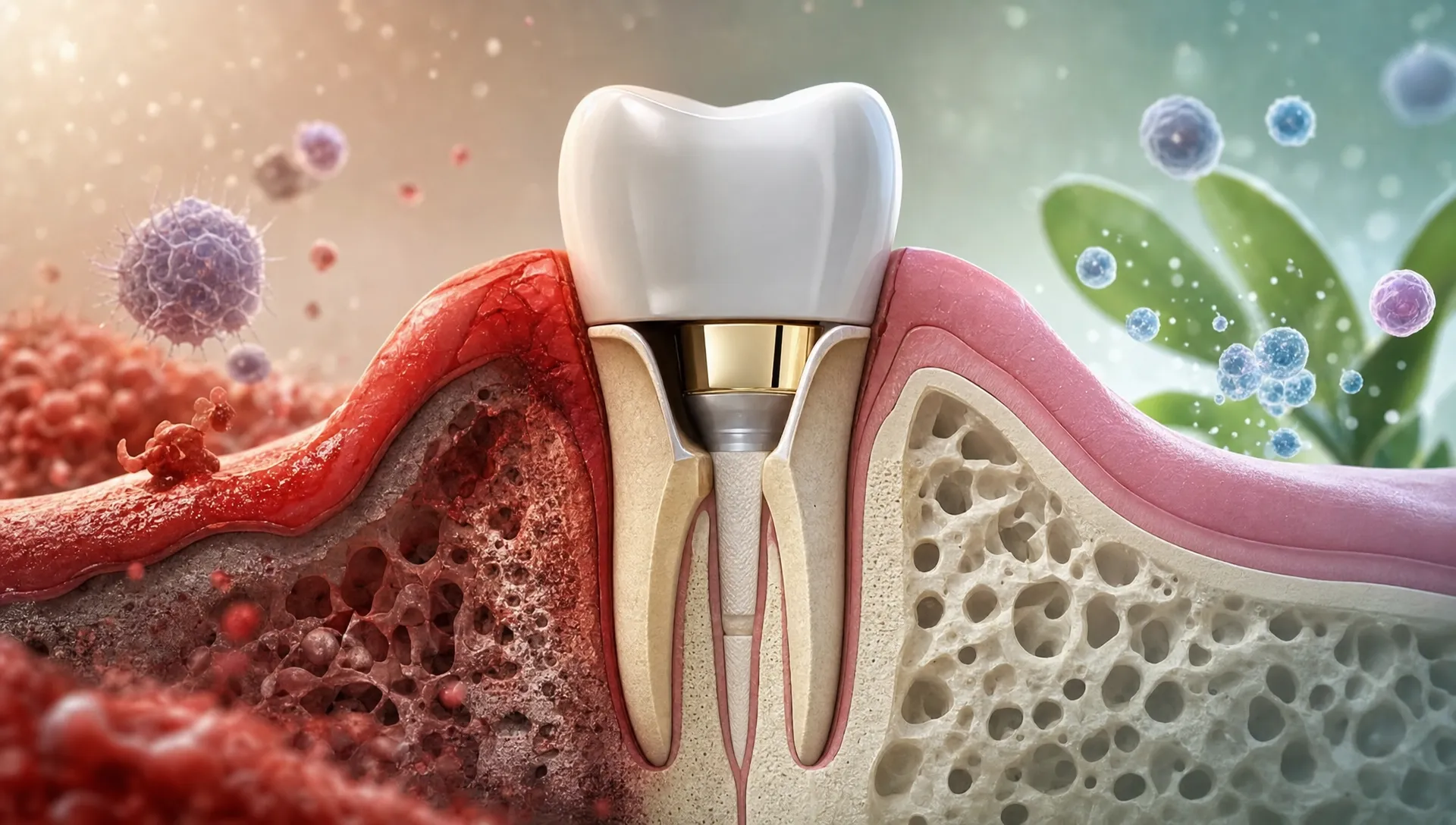
A center for advanced dentistry can support healing in a way that goes far beyond repairing a tooth. The real goal is to understand why a problem developed, how it affects the rest of the body, and what the body needs in order to recover well.
For patients who care about whole-body health, this matters. A filling, crown, implant, periodontal treatment, or oral surgery procedure is not just a mechanical fix. It creates a biological response involving the immune system, blood flow, oral bacteria, bone, soft tissue, and even the patient’s stress level. When those factors are considered from the beginning, dental care can become more precise, more comfortable, and more supportive of long-term wellness.
At Origin Dental Wellness in Tulsa, this is the heart of biological and holistic dentistry: treat the mouth as part of the body, not as a separate system.
Healing in dentistry starts with biology
Dental healing is a coordinated process. Gum tissue must calm down after inflammation. Bone must remodel after infection or surgery. The immune system must respond to bacteria without staying stuck in chronic irritation. Restorative materials must work in the mouth without creating unnecessary stress for sensitive patients.
A traditional dental visit may focus mainly on what is visible: a cavity, a cracked tooth, bleeding gums, or a missing tooth. Those issues matter, of course, but a healing-centered approach asks deeper questions. Is there an active bacterial imbalance? Is the patient inflamed? Are the materials compatible? Is there hidden infection? Is the treatment plan preserving health or simply managing damage?
This is why health-centered dentistry has become such an important conversation for patients who want care that respects the oral-systemic connection. The mouth is one of the body’s most biologically active environments. It is constantly exposed to bacteria, food, oxygen, temperature changes, chewing forces, and immune activity. Supporting healing means working with that environment instead of ignoring it.
What makes a center for advanced dentistry different?
Advanced dentistry is not defined by technology alone. A clinic can own sophisticated equipment and still deliver care in a disconnected way. What matters is how the information is used.
A true center for advanced dentistry brings together better diagnostics, more thoughtful treatment planning, biocompatible material selection, and patient-centered communication. The purpose is not to make care feel complex. The purpose is to reduce guesswork.
The same principle applies across dental models: whether a patient is comparing a biological practice in Tulsa or a comprehensive clinic that provides general, cosmetic, implant, and surgical dentistry, the best outcomes usually come from coordinated care rather than isolated procedures.
In a healing-focused setting, advanced care often includes several layers working together:
| Area of care | How it supports healing | Examples in an advanced setting |
|---|---|---|
| Diagnostics | Helps identify problems earlier and more accurately | Oral biofilm testing, salivary diagnostics, advanced imaging |
| Treatment planning | Connects the dental problem to the patient’s overall health picture | Review of inflammation, infection risk, medical history, and goals |
| Materials | Reduces unnecessary exposure to materials that may not suit the patient | Biocompatible restorative options and careful material selection |
| Tissue support | Encourages a cleaner, calmer healing environment | Ozone therapies, PRP, PRF, and careful surgical protocols |
| Prevention | Reduces the chance of repeated dental breakdown | Periodontal care, home-care guidance, biofilm management |
| Patient experience | Helps patients feel safe enough to follow through with care | Clear explanations, comfort measures, and collaborative decisions |
This integrated mindset is especially valuable for patients who have avoided dental care because of previous experiences, sensitivities, complex health concerns, or uncertainty about which treatment is best.
Better diagnosis gives the body a clearer path to repair
Healing is harder when the real problem is missed. A tooth can look acceptable on the surface while infection, bone changes, or bacterial imbalance are developing underneath. Gum tissue can bleed because of brushing technique, but it can also signal a deeper periodontal issue. Bad breath may be dismissed as a minor annoyance, but sometimes it reflects a microbial imbalance that deserves testing.
This is where advanced diagnostics can change the entire direction of care. Oral biofilm testing can help identify the types of bacteria contributing to periodontal inflammation. Salivary diagnostics can provide insight into oral risk factors that are not visible during a standard exam. Three-dimensional imaging can help dentists evaluate bone, anatomy, and hidden pathology with more detail than traditional two-dimensional X-rays in selected cases.
The result is not more treatment for the sake of more treatment. The result is better matching between the patient’s condition and the care recommended. For example, if inflammation is driven by a specific bacterial profile, periodontal therapy can be planned more intentionally. If imaging reveals a hidden concern, it can be addressed before symptoms become severe. If a restoration is needed, the dentist can think about function, materials, and tissue response before beginning.
Origin Dental Wellness explores this concept further in its article on how advanced care dental improves diagnosis and healing, which explains how better information can support more thoughtful biological dental care.
Biocompatible materials matter more than many patients realize
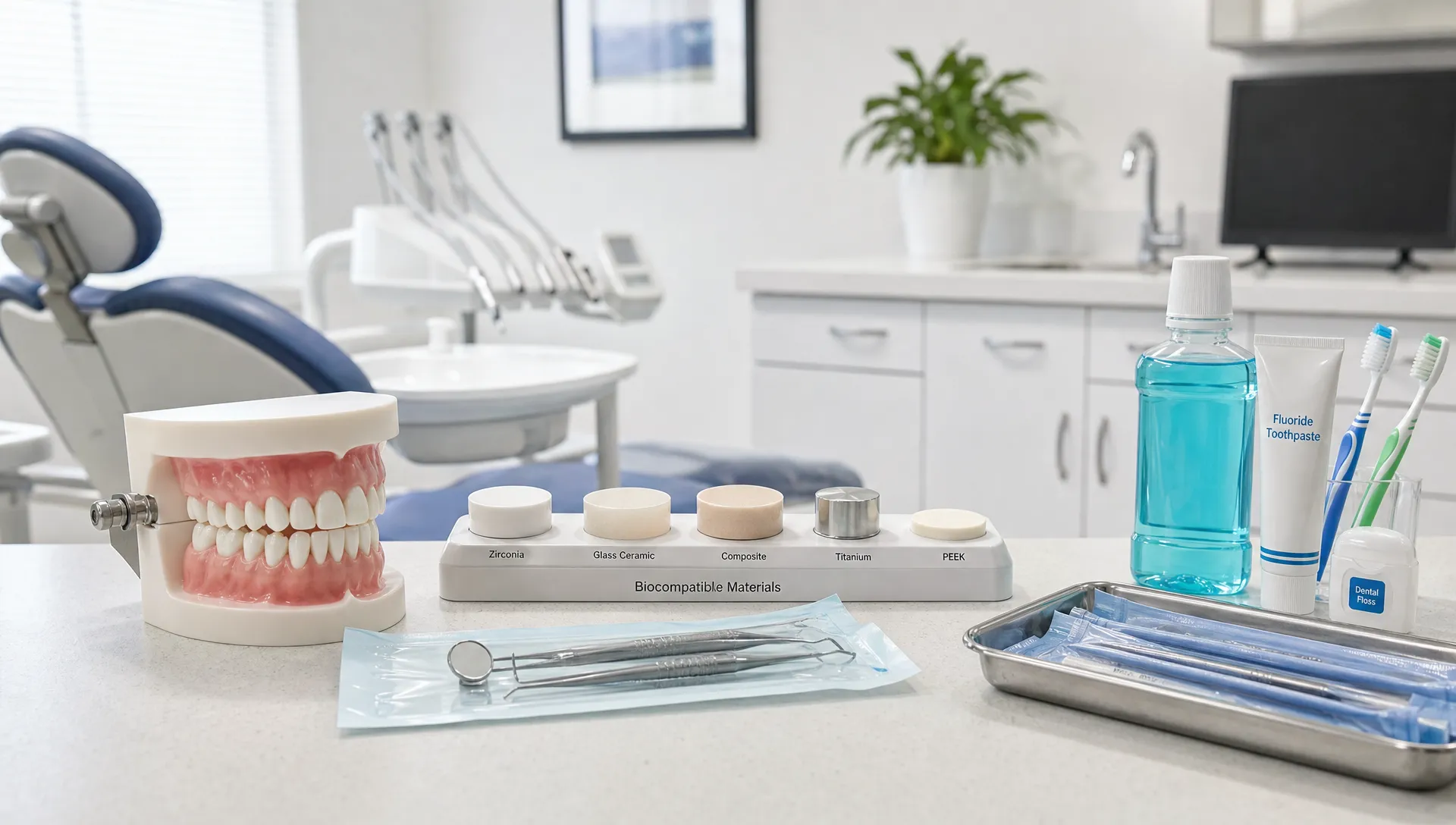
Every dental material interacts with the mouth. It may touch saliva, gum tissue, bone, the tongue, and adjacent teeth every day for years. For many people, standard materials are tolerated well. For others, especially patients with sensitivities, complex medical histories, or strong preferences for holistic care, material selection can become a meaningful part of healing.
A center for advanced dentistry that takes biocompatibility seriously does not treat materials as an afterthought. It considers how a restoration will function mechanically and how it may fit into the patient’s broader health priorities.
This is especially important with metal restorations, replacement of old dental work, and surgical planning. Safe mercury removal, for example, requires more than simply drilling out an old amalgam filling. A biological practice uses a safety-minded protocol designed to reduce unnecessary exposure for the patient, dental team, and environment.
Biocompatible dentistry is not about claiming one material is perfect for everyone. It is about personalization. The better question is: what is appropriate for this patient, this tooth, this mouth, and this health history?
Supportive therapies can improve the healing environment
Once a dental problem is diagnosed and a treatment plan is chosen, the next question is how to support the tissues before, during, and after care. This is where biological dentistry often differs from a more procedure-only model.
Ozone therapy is one example. In dentistry, ozone may be used as part of a broader strategy to help manage microbes and support a cleaner oral environment. It is not a substitute for proper diagnosis, mechanical cleaning, surgical skill, or restorative treatment, but it can be a useful adjunct when used appropriately. Patients who want to understand the topic in more depth can read Origin’s overview of health through ozone therapy.
PRP and PRF are other supportive tools used in some advanced dental settings. These platelet-based therapies are prepared from the patient’s own blood and may be used in surgical contexts to support tissue repair. The goal is to work with the body’s natural healing components, especially when bone or soft tissue recovery is important.
Healing also depends on the fundamentals. Clean surgical technique, clear home-care instructions, nutrition awareness, sleep, hydration, and follow-up visits all influence recovery. Advanced dentistry is most effective when technology and biology are paired with practical patient support.
Periodontal health is central to whole-body healing
Gum health is often underestimated because periodontal disease can progress quietly. Many patients do not feel pain until the condition is advanced. Yet periodontal inflammation can affect chewing comfort, breath, tooth stability, and the success of restorative or surgical care.
From a healing perspective, gum tissue is not just the frame around the teeth. It is a living barrier. When that barrier is inflamed or infected, the body must constantly respond. This is one reason biological dental practices place strong emphasis on prevention, biofilm control, and periodontal evaluation.
A center for advanced dentistry may use testing and personalized maintenance intervals to help patients reduce bacterial burden and inflammation. This can be especially important before major restorative work or implant planning. Building on unhealthy gums is like renovating a house without checking the foundation.
The goal is not to shame patients for bleeding gums, tartar, or past dental problems. The goal is to identify what is happening and create a realistic plan that helps the tissues become healthier over time.
The patient experience can influence healing too
Comfort is not a luxury in dentistry. It affects whether patients seek care early, complete treatment, ask questions, and return for prevention. A patient who feels rushed or judged may delay care until a small problem becomes painful. A patient who feels informed and respected is more likely to participate in the healing process.
Advanced dentistry should make care feel clearer, not more intimidating. That means explaining options in plain language, reviewing risks and benefits, and giving patients room to make informed choices. It also means recognizing that dental anxiety is real. The nervous system, stress response, and sense of safety all shape how a person experiences treatment.
For patients with a history of difficult dental visits, a calm and patient-centered environment can be the difference between avoiding care and finally moving toward health.
When this approach may be especially helpful
A healing-centered dental model can benefit many patients, but it is especially relevant when oral health concerns are complex or recurring. You may want to look for a center for advanced dentistry if you are dealing with:
- Persistent gum inflammation, bleeding, or periodontal disease
- Old restorations that need to be replaced thoughtfully
- Concerns about mercury amalgam fillings or material sensitivity
- Dental infections, failing teeth, or surgical decisions
- Interest in dental implants with biologically supportive planning
- A desire for fluoride-free, whole-body-oriented dental care
- Anxiety about dental treatment and a need for clearer communication
This kind of care is also valuable for prevention. You do not need to wait until something hurts to benefit from better diagnostics and a more complete view of oral health.
Questions to ask when choosing advanced dental care
The phrase advanced dentistry can mean different things from one practice to another. Before choosing a clinic, it helps to ask questions that reveal the practice philosophy, not just the equipment list.
Consider asking:
- How do you evaluate the connection between oral health and whole-body health?
- Do you offer oral biofilm testing or salivary diagnostics when appropriate?
- How do you choose restorative materials for patients with sensitivities?
- What safety measures do you use for mercury amalgam removal?
- Do you use supportive therapies such as ozone, PRP, or PRF?
- How do you help anxious patients feel comfortable and informed?
The answers should feel specific and transparent. A strong practice will not pressure you into care without helping you understand why it is recommended.
Frequently Asked Questions
Is a center for advanced dentistry the same as a holistic dentist? Not always. Advanced dentistry can refer to technology, training, procedures, or diagnostics. Holistic or biological dentistry focuses on the relationship between oral health and whole-body wellness. The strongest healing-centered practices often combine both.
How does advanced dentistry support healing after oral surgery? It can support healing through better imaging, careful treatment planning, biocompatible materials, minimally traumatic technique, and adjunctive therapies such as ozone, PRP, or PRF when appropriate.
Why are oral biofilm testing and salivary diagnostics useful? These tools can reveal bacterial and biological risk factors that may not be obvious during a visual exam. That information can help guide periodontal care, prevention, and treatment timing.
Are biocompatible dental materials necessary for everyone? Not every patient has the same needs, but biocompatible material selection can be especially important for people with sensitivities, complex health histories, or a preference for biological dental care.
Does healing-centered dentistry replace regular dental treatment? No. It does not replace fillings, periodontal therapy, surgery, or restorative care when those treatments are needed. It improves the way care is planned and supported so treatment aligns more closely with the patient’s overall health.
A healing-centered path for dental care in Tulsa
A center for advanced dentistry supports healing by combining precision with respect for the body’s biology. The best care is not just about repairing what is broken. It is about identifying causes, reducing inflammation, choosing safer materials, supporting tissue recovery, and helping patients feel confident in their decisions.
For patients in Tulsa who want dental care that considers the whole person, Origin Dental Wellness offers a biological and holistic approach rooted in prevention, advanced diagnostics, biocompatible care, and patient-centered treatment planning.
If you are ready to understand your oral health more clearly, the next step is a conversation with a dental team that sees your mouth as part of your whole-body wellness.