
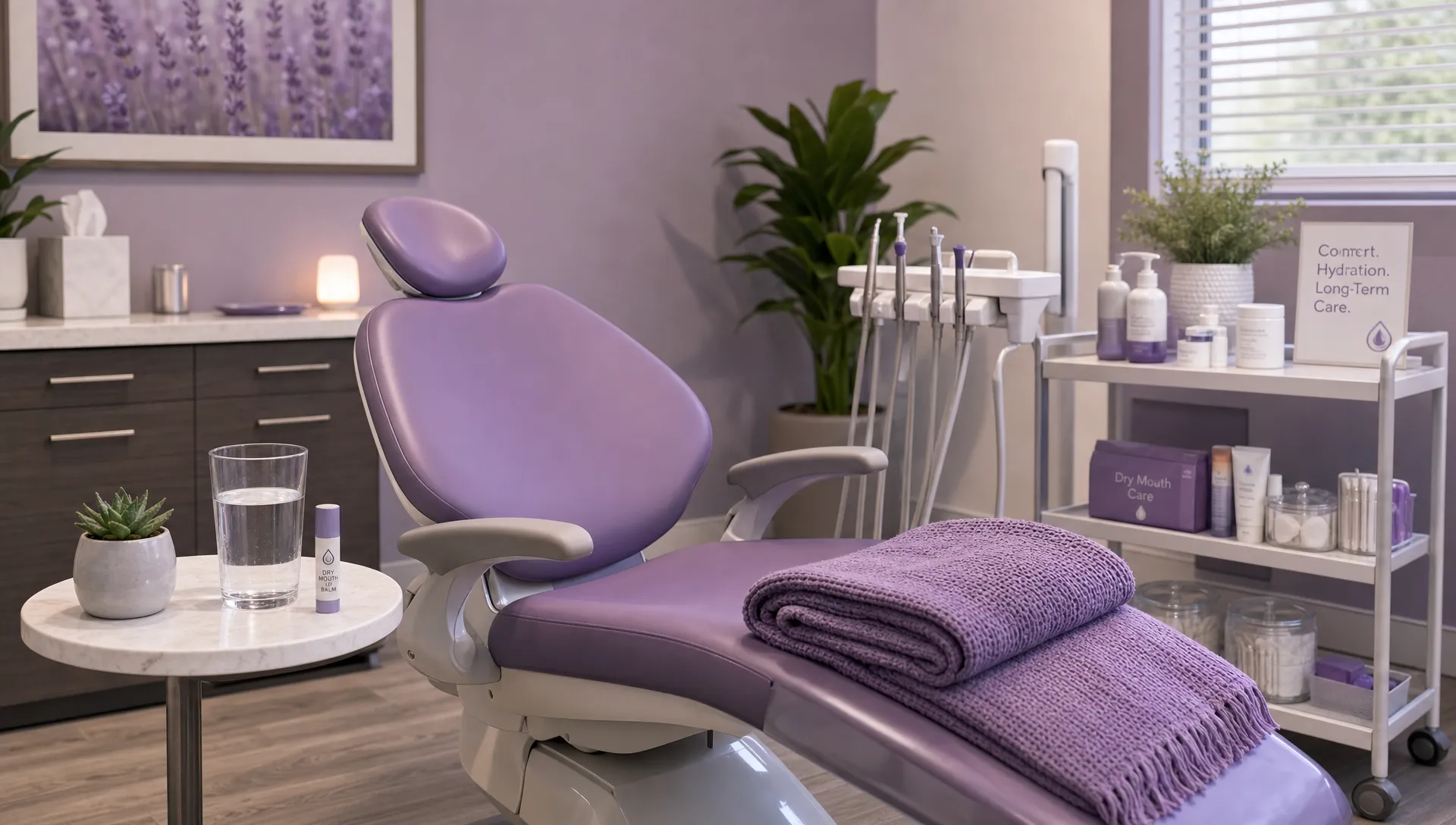
For health-conscious adults in Tulsa, family dental care is not only about finding one office for every member of the household. It is about having a steady, prevention-focused dental home that understands how adult oral health changes over time, and how those changes may affect whole-body wellness.
At Origin Dental Wellness, that adult-focused view is biological, not generic. Shannon Toler, DDS, BCHN, AIAOMT, FAAOSH, FMRII, looks at teeth, gums, materials, saliva, nutrition, inflammation, and patient sensitivities together. For adults who are trying to reduce toxin exposure, manage immune challenges, or make more informed choices about dental materials, this kind of family dental care can become part of a broader wellness plan.
Family dental care is adult prevention, not just convenience
Many people hear family dental care and picture children, school schedules, and basic cleanings. For adults, the value is different. It is continuity.
Adults often carry a long dental history: fillings placed years ago, crowns from different eras, past orthodontics, clenching habits, gum changes, sleep concerns, medications, pregnancies, stress, and dietary patterns. A biological dental practice can track those patterns over time instead of treating each visit as an isolated event.
That matters because adult dental problems rarely appear overnight. Gum inflammation, enamel wear, dry mouth, cracked restorations, and bite changes often develop slowly. The National Institute of Dental and Craniofacial Research explains that gum disease affects the tissues that support the teeth and can progress when bacterial plaque is not adequately controlled. From a biological perspective, the goal is not simply to clean teeth, but to understand why the oral environment is becoming more inflammatory or less resilient.
For families in Tulsa, Broken Arrow, Jenks, Bixby, Owasso, and nearby communities, a consistent dental relationship also helps adults make shared household choices. The toothpaste, mouthwash, snacks, sleep routines, and dental products used at home all shape the oral microbiome. When one adult starts making better choices, the whole household often benefits.
How adult priorities change by season of life
Adult dental needs are not the same at 25, 45, and 70. A family dental care model should be flexible enough to support each stage without treating aging as a simple checklist.
| Adult season | What often changes | Biological care focus |
|---|---|---|
| 20s and 30s | Busy schedules, stress, pregnancy planning, cosmetic goals, diet shifts | Prevention, oral microbiome support, safe product selection, minimally invasive care |
| 40s and 50s | Old fillings, crowns, clenching, gum changes, hormonal shifts, inflammation concerns | Material review, biofilm assessment, bite evaluation, airway and systemic context |
| 60s and beyond | Dry mouth, medication effects, tooth wear, bone changes, missing teeth, complex health history | Saliva support, function preservation, biocompatible restorative planning, careful diagnostics |
| Caregiving years | Supporting spouses, aging parents, and adult children | Shared education, practical home routines, coordinated prevention, clear decision-making |
This is where a holistic approach becomes especially useful. Rather than asking only whether a tooth hurts, Dr. Toler may consider whether an adult has chemical sensitivities, a history of metal reactions, inflammatory health concerns, nutritional gaps, or previous dental materials that may not be the best fit for that person today.
Young adults and busy parents: building resilient, lower-toxin habits
For younger adults, the most valuable dental care is often the care that prevents bigger treatment later. That includes professional evaluation, gum monitoring, cleaning between teeth, nutrition awareness, and choosing products that match a lower-toxin lifestyle.
Origin Dental Wellness is a fluoride-free practice. That does not mean prevention is ignored. It means prevention is approached through mineral support, plaque control, diet, saliva quality, and individualized education rather than routine fluoride as the default. Adults who are sensitive to ingredients or trying to simplify chemical exposures often appreciate having a dental team that takes those preferences seriously.
Cosmetic goals can also begin in this stage. Whitening, bonding, and smile improvements should be considered in the context of sensitivity, enamel health, gum position, and material compatibility. A brighter smile is valuable, but not at the expense of irritated gums or unnecessary exposure for a toxin-conscious patient.
Home care also matters. If your household is trying to reduce exposures in everyday routines, our guide to family dental health habits for a lower-toxin lifestyle offers a practical starting point for adults who want cleaner choices without overcomplicating daily life.
Midlife: old dentistry, inflammation, and material compatibility
Midlife is often when past dental work starts asking for attention. A filling placed years ago may crack. A crown margin may become harder to clean. Gum pockets may deepen. Clenching can accelerate wear. Some adults also begin to question whether older metals, including amalgam fillings, still fit their health goals.
At Origin Dental Wellness, when Dr. Toler evaluates existing restorations, the question is not simply whether something can be patched. The question is what approach best supports the tooth, the gums, the bite, the patient’s biology, and the long-term plan. For toxin-sensitive adults, that may include discussing biocompatible materials or hypersensitivity testing such as MELISA when appropriate.
When mercury amalgam removal is recommended, the practice follows a safety-centered biological approach. The IAOMT describes the Safe Mercury Amalgam Removal Technique as a protocol designed to reduce mercury exposure during amalgam removal. This is not about creating fear. It is about respecting that some adults want dental treatment planned with exposure reduction in mind.
A preventive mindset also extends beyond dentistry. Families often maintain important home systems before a failure creates a safety issue, whether that means working with experienced residential garage door specialists for a heavy moving door or asking a biological dental team to identify early warning signs in the mouth before they become urgent. In both cases, timely maintenance can help reduce stress and protect the household.
Later adulthood: preserving comfort, function, and saliva
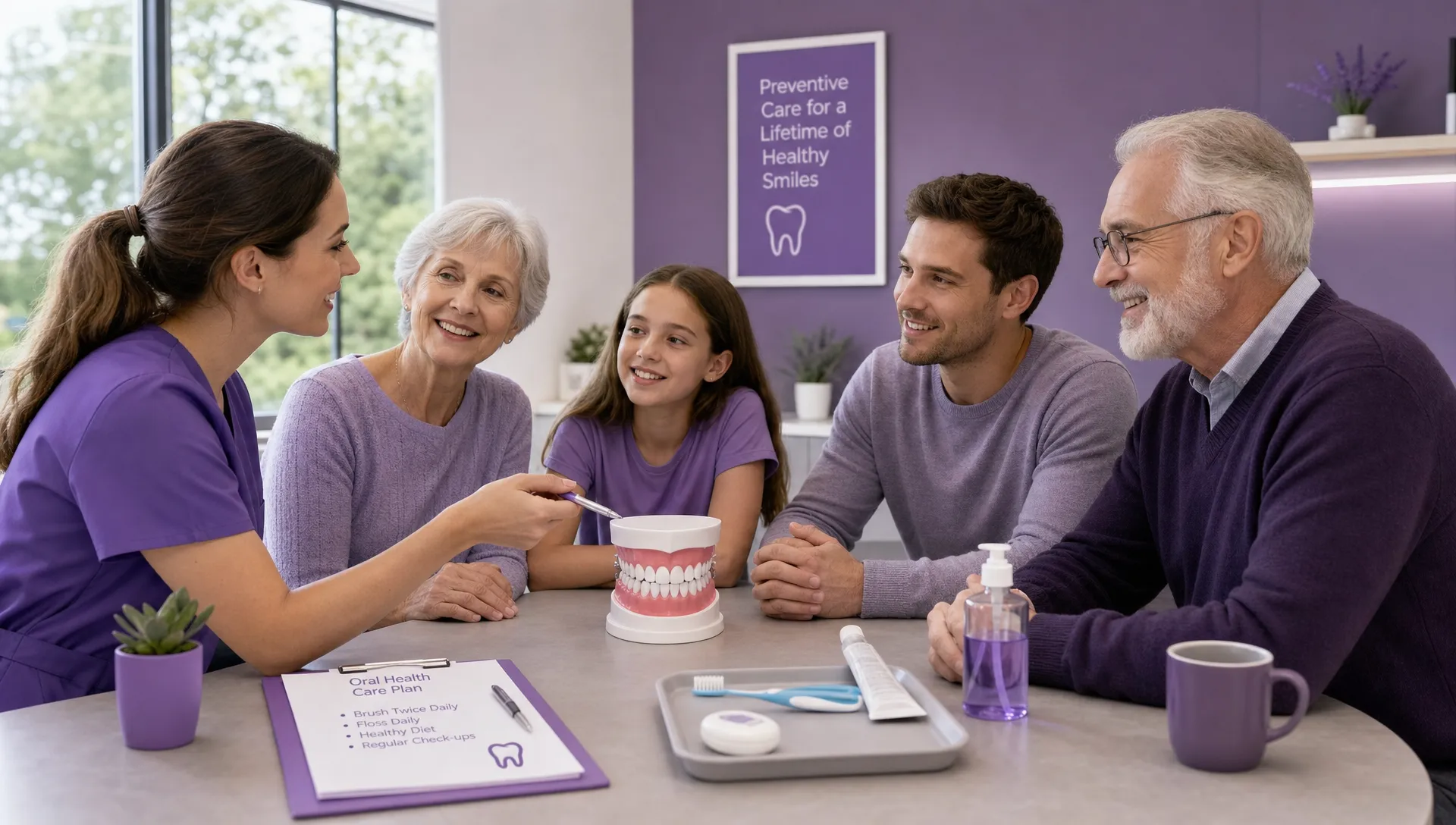
For older adults, family dental care should focus on preserving quality of life. Chewing comfortably, speaking clearly, maintaining gum health, and avoiding preventable infection can all affect daily wellness.
Dry mouth becomes especially important. The NIDCR notes that dry mouth can increase the risk of tooth decay and oral infections, and adults may experience it for many reasons, including medication use or health conditions. In a biological dental setting, saliva is not an afterthought. It is part of the body’s natural defense system.
Older adults may also need more careful imaging and diagnosis. Cone beam CT can be considered when three-dimensional information is clinically helpful. Salivary and biofilm diagnostics may provide insight into the oral environment. Ozone therapy, PRP, or PRF may be discussed as supportive tools in appropriate procedures, without promising a specific outcome.
If an adult has a failing tooth or deeper infection, Origin Dental Wellness does not default to root canal therapy as the preferred path. The practice’s approach is to discuss biologically aligned options, the patient’s health history, and the risks and benefits of each choice. That kind of conversation is especially important for immune-compromised adults or patients with complex systemic concerns.
Why a biological family dental home helps the whole household
Adults influence the health patterns of everyone around them. A parent who learns better brushing technique may teach it at home. A spouse who changes late-night snacking may shift the pantry. An adult child helping an aging parent may notice dry mouth, loose dentures, or bleeding gums earlier because they know what to look for.
That is why family dental care for adults is educational as much as clinical. It helps patients connect daily habits with long-term outcomes. For a deeper look at this philosophy, our article on wellness dental care for health-conscious adults explains how the mouth-body connection, biocompatible materials, and prevention fit together.
In a Tulsa biological dental practice, adult care may include questions that are not always emphasized in conventional settings:
- Are current dental materials compatible with the patient’s sensitivities and goals?
- Is the oral microbiome balanced, or is biofilm driving inflammation?
- Are dry mouth, nutrition, sleep, or stress affecting tooth and gum resilience?
- Would advanced imaging or salivary testing clarify the next step?
- Can treatment be planned in a way that reduces unnecessary exposures?
For patients who want more than a quick cleaning, these questions can be reassuring. They create a fuller picture of oral health and give adults a better foundation for decision-making.
What to expect from a more comprehensive adult dental visit
A biological dental visit is typically more detailed than a symptom-based appointment. The goal is to understand the terrain of the mouth, not just identify a single problem. That may include reviewing health history, medication use, previous dental work, diet, sensitivities, sleep patterns, gum health, bite forces, and the materials already in the mouth.
Dr. Toler’s dual background as a Biological Dentist and Board Certified Holistic Nutritionist is especially relevant here. Nutrition, mineral balance, inflammation, and oral bacterial patterns are connected. No dental visit can replace medical care, but oral findings may provide meaningful clues that adults can discuss with their broader healthcare team.
Technology can also make care more individualized. If you are curious about how tools such as biofilm testing, salivary diagnostics, 3D imaging, and biocompatible material planning fit into care, our guide to advanced dental diagnosis and healing support explains these concepts in more detail.
Frequently Asked Questions
Is family dental care only for households with children? No. Family dental care can support adults, couples, caregivers, and multigenerational households. For adults, the value is continuity, prevention, shared education, and care that adapts as health needs change.
How is biological family dental care different from conventional dental care? Biological care considers the mouth in relationship to the whole body. At Origin Dental Wellness, that includes attention to biocompatible materials, oral-systemic health, the microbiome, low-toxicity choices, and patient sensitivities.
Can adults with old amalgam fillings be evaluated safely? Yes. If replacement is recommended, Dr. Toler uses a safety-centered approach aligned with biological dentistry principles. The decision depends on the condition of the filling, the tooth, the patient’s goals, and the overall treatment plan.
Do older adults need a different dental strategy? Often, yes. Later adulthood may bring dry mouth, medication effects, gum changes, bone changes, or more complex restorative needs. A personalized exam is the best way to decide what kind of prevention or treatment is appropriate.
Is holistic dental care helpful for toxin-sensitive adults? It can be. Adults with chemical sensitivities, metal concerns, or immune challenges may appreciate a dental approach that discusses materials, exposure reduction, and individualized testing when appropriate. No treatment is one-size-fits-all.
Choose holistic family dental care in Tulsa
If you are an adult looking for family dental care that respects your whole-body health goals, Origin Dental Wellness offers a biological approach in Tulsa for patients from the surrounding metro, Oklahoma City, and neighboring states.
Dr. Shannon Toler and our team focus on thoughtful diagnosis, biocompatible choices, low-toxicity prevention, and education that supports adults at every age. Recommendations are customized, and pricing information is available upon request once treatment is recommended.
If you want dental care that looks beyond the surface and helps you make informed decisions for long-term wellness, contact Origin Dental Wellness to begin your next step.