
Many people hear the phrase new patient dental exam and picture a quick look, a few X-rays and a cleaning. That may be enough for a limited problem visit, but it is not the same as a health-centered evaluation designed to understand why dental problems are happening, how materials may affect your body and what risks may be hidden below the surface.
At Origin Dental Wellness in Tulsa, Oklahoma, the first visit is built from a biological dentistry perspective. Shannon Toler, DDS, BCHN, AIAOMT, FAAOSH, FMRII is a Biological Dentist and Board Certified Holistic Nutritionist, so the exam is not limited to teeth in isolation. It considers the oral microbiome, inflammation, dental materials, immune sensitivity and the connection between the mouth and the rest of the body.
If you want the step-by-step patient experience, our guide to what to expect from a new patient dental exam in Tulsa walks through the appointment flow. This article focuses on the bigger question: why can a new patient exam be more comprehensive in the first place?
A comprehensive exam asks a different question
A brief dental exam often asks, do you have cavities, gum pockets or an urgent dental problem today? Those are valid questions, but they are only one layer of oral health.
A comprehensive biological dental exam asks broader questions. What is driving inflammation? Are dental materials compatible with your body? Are there signs of infection, bone changes or airway-related wear patterns that deserve a closer look? Is the mouth supporting overall health, or is it adding stress to a body already dealing with immune, gut or inflammatory concerns?
That difference changes the structure of the visit. More time is spent on history, diagnostics, conversation and interpretation. The purpose is not to overwhelm patients with more tests. The purpose is to build a clearer baseline before recommending care.
| Visit focus | Short problem-focused exam | Comprehensive biological exam |
|---|---|---|
| Main goal | Identify obvious dental problems or urgent needs | Understand oral health in the context of whole-body wellness |
| Health history | Basic medical and medication review | Deeper review of sensitivities, inflammation, prior dentistry, nutrition and health goals |
| Diagnostics | Usually limited to the immediate concern | May include 3D imaging, intraoral photos, periodontal findings and biofilm-related information |
| Materials | Usually discussed when a filling or crown is needed | Considered early, especially for toxin-sensitive or metal-sensitive patients |
| Treatment planning | Often procedure-centered | Personalized around risk, biocompatibility, prevention and the patient’s broader health picture |
Neither type of visit is the only correct model for every person. If someone has a broken tooth and needs short-term help, a limited exam may be appropriate. But for patients choosing a holistic dental home, a more complete first exam can help avoid treating symptoms without understanding the pattern behind them.
The exam starts before anyone looks at a tooth
A more comprehensive new patient dental exam begins with the story behind the smile. That includes current symptoms, past dental treatment, reactions to materials, health priorities, medications, supplements, diet patterns and concerns such as mercury, fluoride, metals, chronic inflammation or immune sensitivity.
For some patients, this is the first dental visit where those topics are treated as clinically relevant. A patient who has reacted poorly to metals, struggled with chronic gum inflammation or felt worse after previous dental work may need a different level of evaluation than someone who simply wants a routine cavity check.
This is where biological dentistry differs from generic prevention. Dr. Toler’s clinical recommendations are shaped by the idea that the mouth is part of the body, not a separate system. That does not mean every dental issue has a systemic cause. It means the exam should leave room for connections that matter, especially in patients with complex health histories.
The National Institute of Dental and Craniofacial Research explains that gum disease is an inflammatory condition affecting the tissues that support the teeth and is caused by plaque bacteria. A biological exam takes that seriously by looking beyond whether the gums bleed today. It asks how biofilm, home care, nutrition, immune response and previous dental work may be contributing to the pattern.
For patients in Tulsa, Broken Arrow, Jenks, Bixby, Owasso and surrounding Oklahoma communities, this whole-person conversation can be one of the biggest differences between a standard dental intake and an integrated dental visit. If you are exploring that philosophy more broadly, our article on integrated dental care and better health explains how oral findings can fit into a larger wellness picture.
Advanced imaging can reveal what a flat X-ray may miss
Traditional dental radiographs are useful, but they do not show every structure in three dimensions. A biological new patient exam may use cone beam CT imaging when clinically appropriate because it can provide a more detailed view of bone, tooth roots, jaw structures and areas that are difficult to assess with 2D images alone.
This does not mean every finding on a scan automatically requires treatment. Imaging is a tool for better clinical judgment, not a reason to rush into procedures. Dr. Toler reviews findings in the context of symptoms, health history, risk and the patient’s goals.
Cone beam CT can be especially helpful when a patient has old dental work, missing teeth, prior extractions, root-canal-treated teeth, unexplained discomfort or concerns about hidden infection. It can also support safer surgical planning when treatment is recommended later.
For a deeper comparison, see our guide to cone beam CT scans versus traditional dental radiographs. The key point for a new patient is simple: better imaging can make the first exam more informative, especially when the goal is long-term health planning rather than a quick repair.
The oral microbiome and biofilm deserve attention
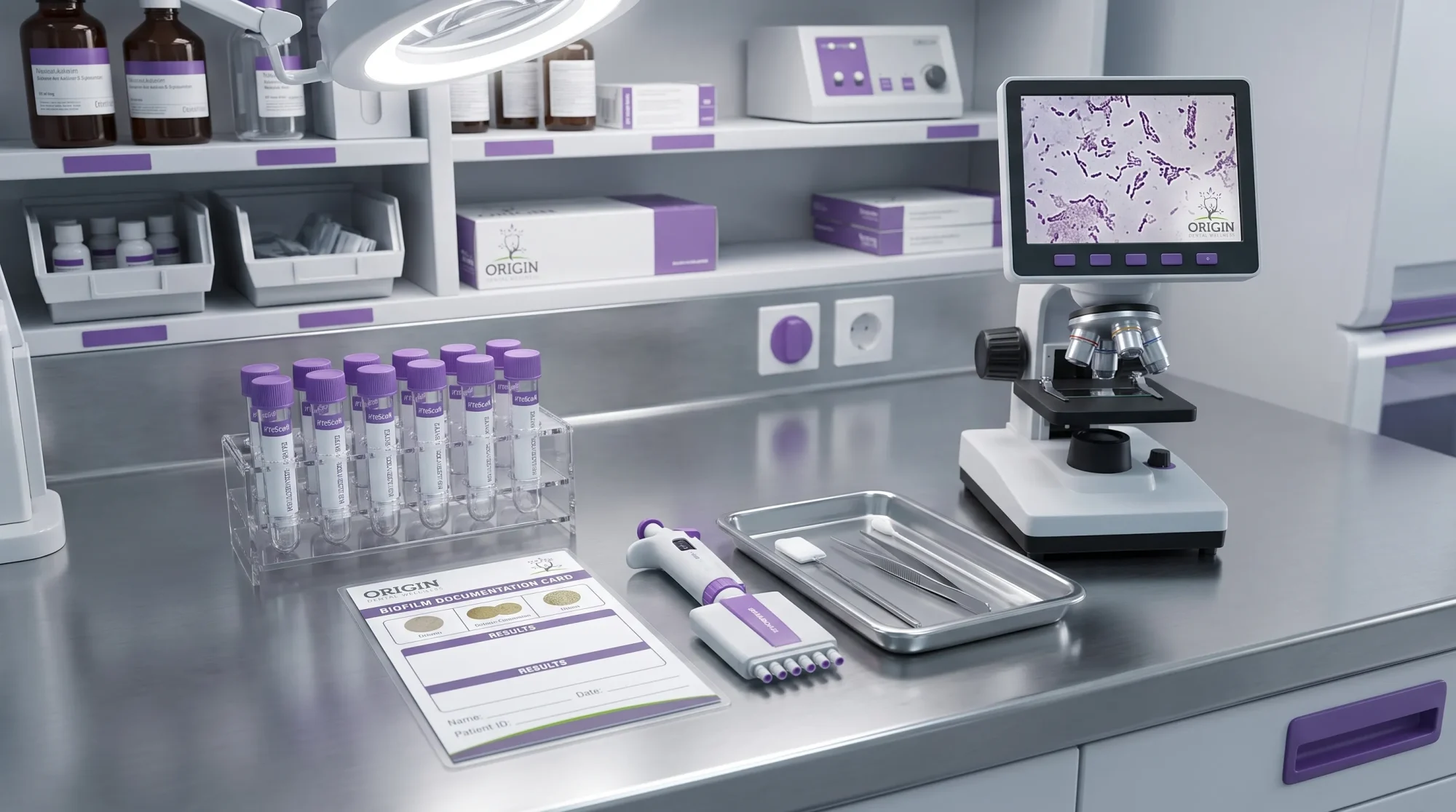
Many patients think of plaque as something to scrape off twice a year. A biological exam looks at biofilm as a living microbial community that can influence gum health, breath, decay risk and inflammation.
That is why a comprehensive visit may include salivary or biofilm-related diagnostics, periodontal measurements and a closer look at bleeding, tissue tone, recession, bone support and home care patterns. The goal is not to blame the patient. It is to understand the environment in the mouth so prevention can become more specific.
For example, two patients can both have bleeding gums, but the underlying drivers may be different. One may have technique issues with brushing and flossing. Another may have dry mouth, high bacterial burden, nutritional challenges, medication effects or immune factors. A more comprehensive exam gives Dr. Toler more context before recommending next steps.
Material compatibility is part of the diagnosis
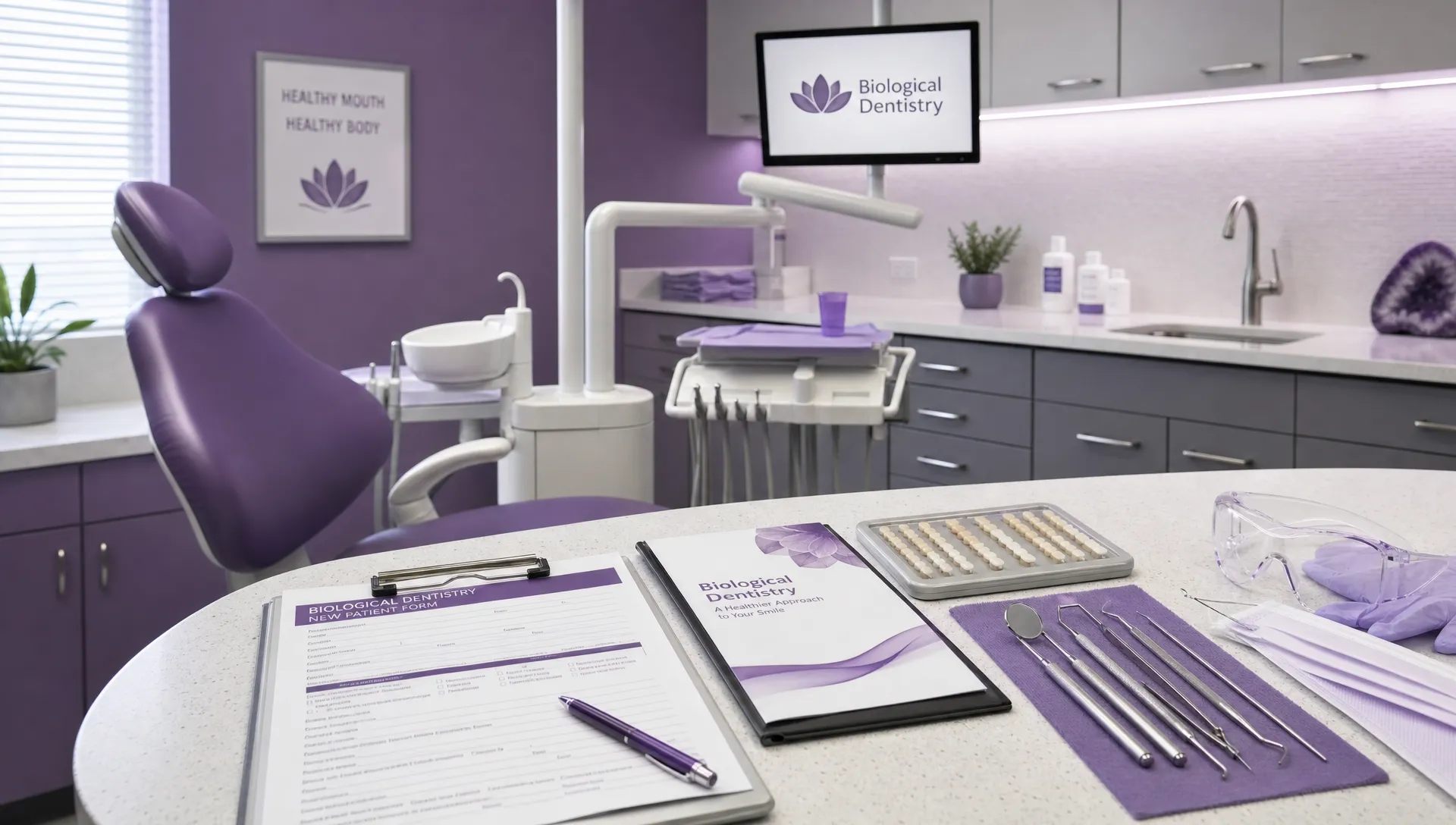
For toxin-sensitive patients, material choice is not a cosmetic detail. It can affect comfort, confidence and the ability to move forward with needed care. A comprehensive biological dental exam reviews what is already in the mouth, what may need replacement in the future and what materials are most appropriate if treatment is recommended.
This matters for patients with mercury amalgam fillings, metal crowns, implant concerns, unexplained mouth irritation or a history of reacting to dental materials. At Origin Dental Wellness, Dr. Toler may discuss biocompatibility and hypersensitivity considerations, including options such as MELISA testing when metal sensitivity is a concern.
Mercury amalgam removal is a good example of why a more comprehensive exam is different. Origin Dental Wellness does not treat amalgam removal as a casual swap of one filling for another. When removal is recommended, Dr. Toler’s approach is informed by the IAOMT SMART protocol, which focuses on reducing mercury exposure during the procedure through specific safety measures.
The exam is also where the practice philosophy becomes clear. Origin Dental Wellness is fluoride-free, does not place mercury amalgam and does not provide root canal therapy. These are biological choices, not universal claims that every patient everywhere must make the same decision. The point of the first exam is to understand your situation and discuss recommendations that align with the practice’s low-toxicity, biocompatible approach.
Treatment planning can include healing support, not just repair
A conventional treatment plan may list fillings, crowns, gum therapy or surgery in order of urgency. A biological treatment plan still addresses structural dental needs, but it also considers how to support healing and reduce biological burden.
That may include discussing ozone therapy, PRP or PRF in appropriate surgical contexts, safer material selection, periodontal biofilm strategies, nutritional considerations and ways to make care more comfortable for anxious patients. Tools such as NuCalm may also be part of the conversation when nervous system support is relevant.
This is one reason the first visit may feel more like a consultation than a standard dental appointment. You are not only being told what is broken. You are being shown how the pieces fit together and what choices may support a healthier oral environment over time.
No exam can promise a specific outcome, and an article cannot diagnose whether a treatment is right for you. The value of a comprehensive visit is that recommendations are made after reviewing your individual findings, rather than relying on assumptions.
Why a more comprehensive exam can cost more
A deeper exam usually requires more time, more diagnostics and more clinical interpretation. At Origin Dental Wellness, the new patient appointment is over $500 and is designed to be more comprehensive than the typical initial dental visit many patients have experienced. You receive extensive insight and customized recommendations for your overall dental health.
That fee is not a comprehensive price list for future treatment. If Dr. Toler recommends additional procedures or follow-up visits, pricing information is available upon request once treatment has been recommended.
Insurance can also feel different in a biological practice. Origin Dental Wellness is out-of-network for all insurance providers. Patients pay in full on the day of the appointment, then our team files with the insurance company so the patient may be reimbursed at the out-of-network rate, subject to the insurance company’s approval. Care is recommended based on clinical judgment and the patient’s health needs, not based on the likelihood of insurance coverage.
Origin Dental Wellness does not directly offer financing or pay-over-time plans, but the practice does accept the CareCredit credit card. CareCredit is a third-party option, and any cardholder benefits are determined by CareCredit.
For patients traveling from Oklahoma City, neighboring states or the Tulsa metro, understanding these details before scheduling helps set realistic expectations. A comprehensive biological exam is an investment in clarity, not a quick insurance-driven visit.
How to compare new patient exams before you schedule
The phrase comprehensive exam is used widely, but it does not mean the same thing at every office. Search results and dental websites can make very different visits sound similar. Some practices work with a specialized dental SEO agency to explain their services online, but patients should still look past labels and read for substance.
When comparing options, pay attention to the questions the practice is willing to answer before your first visit. You can ask whether the exam includes a review of existing dental materials, how the practice approaches mercury amalgam, whether 3D imaging is used, how gum and biofilm risk are evaluated and whether the dentist considers oral-systemic factors in treatment planning.
You can also ask how recommendations are prioritized. A comprehensive biological practice should be able to explain what is urgent, what can be monitored, what relates to prevention and what choices are available when material sensitivity or health concerns are part of the picture.
The right fit is not only about technology. It is about philosophy, communication and whether the exam helps you understand your mouth in a way that supports your larger health goals.
Frequently Asked Questions
Is a new patient dental exam the same as a cleaning? No. A new patient exam is an evaluation and planning visit. A cleaning may be scheduled separately depending on your gum health, biofilm findings and what type of hygiene care is appropriate.
Why does a biological dental exam ask about overall health? Biological dentistry considers the mouth as part of the body. Health history, inflammation, nutrition, material sensitivity and immune concerns can influence how dental findings are interpreted and how care is planned.
Will every new patient need a cone beam CT scan? Imaging decisions should be based on clinical judgment, risk and the purpose of the exam. Dr. Toler uses advanced diagnostics to gather relevant information, not to create unnecessary treatment.
Why does Origin Dental Wellness avoid fluoride, amalgam and root canal therapy? Our approach is biological and low-toxicity. We choose fluoride-free care, do not place mercury amalgam and do not provide root canal therapy because our treatment philosophy prioritizes biocompatibility and whole-body considerations.
Will insurance cover a comprehensive new patient exam? Origin Dental Wellness is out-of-network for all insurance providers. Patients pay in full at the appointment, then our team files with the insurance company for possible out-of-network reimbursement, subject to insurer approval.
Ready for a more complete first look at your oral health?
If you are looking for a new patient dental exam in Tulsa that considers more than cavities, Origin Dental Wellness offers a biological, health-centered approach led by Dr. Shannon Toler. We welcome patients from Tulsa, Broken Arrow, Jenks, Bixby, Owasso, Sand Springs, Oklahoma City and neighboring states who want dentistry aligned with whole-body wellness.
Visit Origin Dental Wellness to learn more about our approach and decide whether a comprehensive biological dental exam is the right next step for you.