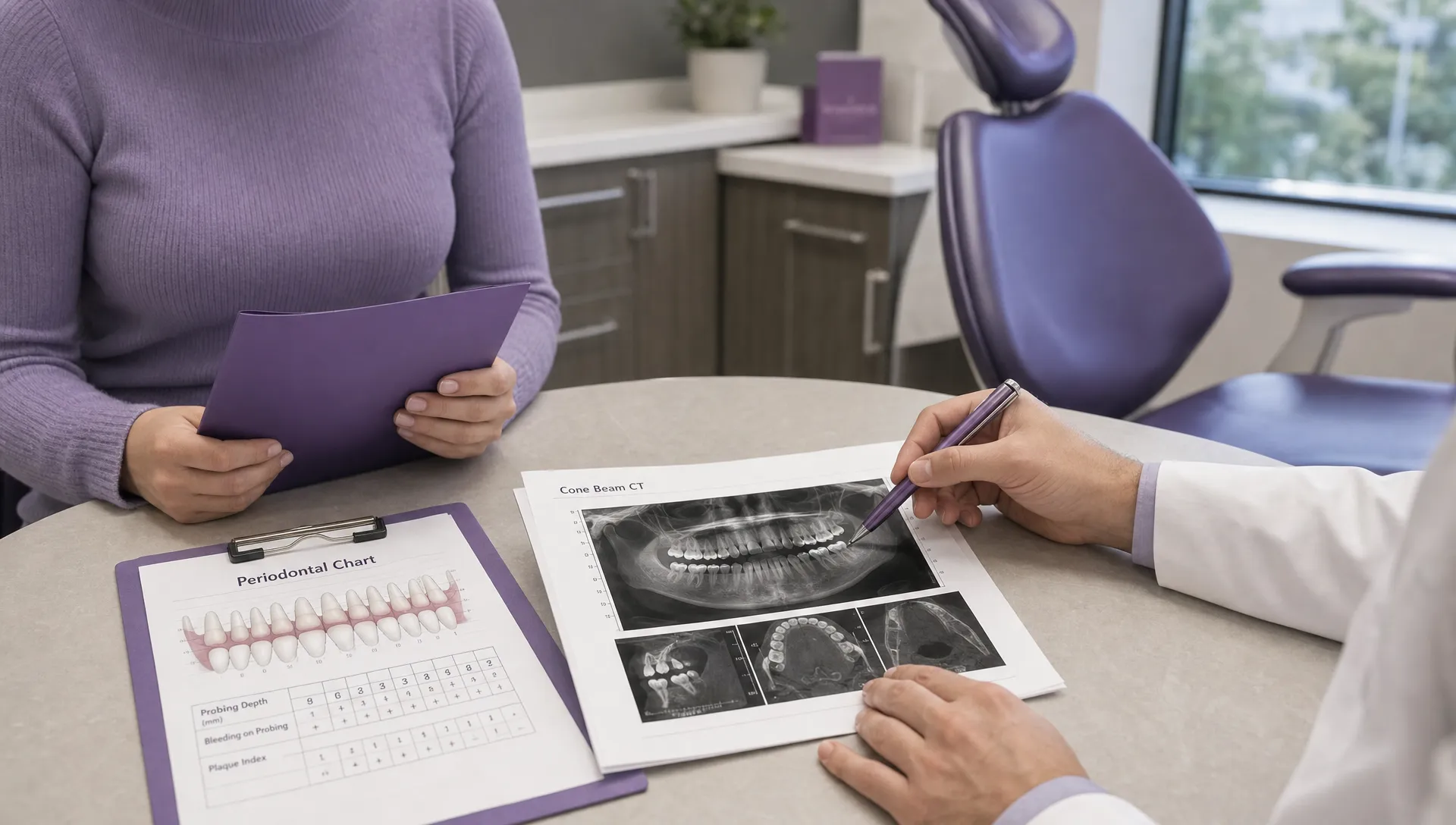
Hidden dental inflammation can be frustrating because it does not always announce itself with pain, swelling or an obvious cavity. A Tulsa dentist who practices from a biological perspective looks for subtle clues that the mouth may be adding stress to the immune system, especially in patients dealing with toxin sensitivity, gum concerns, material reactions or ongoing health issues elsewhere in the body.
At Origin Dental Wellness in Tulsa, this evaluation is not built around a quick look and a generic checklist. Shannon Toler, DDS, BCHN, AIAOMT, FAAOSH, FMRII, approaches dental inflammation through the lens of oral-systemic health, biocompatibility and low-toxicity care. That means the question is not only “Do you have a cavity?” but also “What is driving inflammation, how is your body responding and what information do we need before recommending treatment?”
Why hidden dental inflammation can be easy to miss
Dental inflammation is not always visible in the mirror. Gum tissue can look only mildly irritated while deeper periodontal pockets, microbial imbalance or bone-level changes are developing under the surface. Some patients have old dental work, a history of extractions, root canal treated teeth, metal restorations or chronic bleeding gums but do not connect those issues to their overall inflammatory burden.
The National Institute of Dental and Craniofacial Research describes periodontal disease as inflammation and infection affecting the tissues that support the teeth. From a biological dentistry standpoint, that matters because the gums are not isolated from the rest of the body. Inflamed tissue can influence immune signaling, bacterial load and the body’s ability to maintain balance.
Pain is only one data point. Many inflammatory dental problems are quiet until they become advanced. That is why a biological dental evaluation often combines a detailed health history, clinical exam, imaging and testing rather than relying on symptoms alone.
How a Tulsa Dentist evaluates inflammation from a biological perspective
A Tulsa dentist focused on biological care starts with the understanding that inflammation is a pattern, not just a single finding. Dr. Toler considers the patient’s dental history, current symptoms, immune resilience, nutrition, material exposures and oral microbiome before recommending a path forward.
This approach is especially relevant for patients in Tulsa and surrounding communities like Broken Arrow, Jenks, Bixby, Owasso and Sand Springs who are trying to reduce toxic burden or understand why their mouth still feels unhealthy despite routine dental visits. Some patients also travel from Oklahoma City or nearby states because they want a more comprehensive evaluation than a standard problem-focused appointment.
The goal is not to label every concern as dental in origin. It is to identify whether the mouth may be contributing to ongoing inflammation and to determine what kind of care is safest for that person’s biology.
Step 1: A deeper health and dental history
Hidden inflammation often becomes more understandable when the patient’s story is taken seriously. A biological exam begins with questions about past dental procedures, gum bleeding, bad breath, tooth sensitivity, jaw discomfort, sinus-like symptoms, metallic taste, previous root canal therapy, implants, crowns, amalgam fillings and reactions to dental materials.
The health history matters just as much. Digestive issues, autoimmune conditions, chemical sensitivity, chronic fatigue, cardiovascular concerns, blood sugar imbalance and immune suppression can influence how the body responds to oral bacteria or dental materials. Dr. Toler’s background as a Board Certified Holistic Nutritionist also supports a broader conversation about how nutrition and systemic health may relate to oral inflammation.
This is not a substitute for medical care. It is a way to make dental recommendations with more context, especially for patients whose health picture is complex.
Step 2: Looking at the gums, biofilm and oral microbiome
Gum inflammation is one of the most common places hidden dental inflammation begins. Bleeding when brushing or flossing is not normal for healthy tissue, even if it happens frequently. A biological evaluation looks at gum pocket depths, tissue tone, bleeding points, plaque patterns and signs that the oral biofilm may be out of balance.
The oral microbiome is a living ecosystem. When harmful bacteria dominate, the immune system may respond with persistent inflammation around the teeth and gums. The American Academy for Oral Systemic Health emphasizes the connection between oral health and systemic wellness, especially in relation to inflammation and chronic disease risk factors.
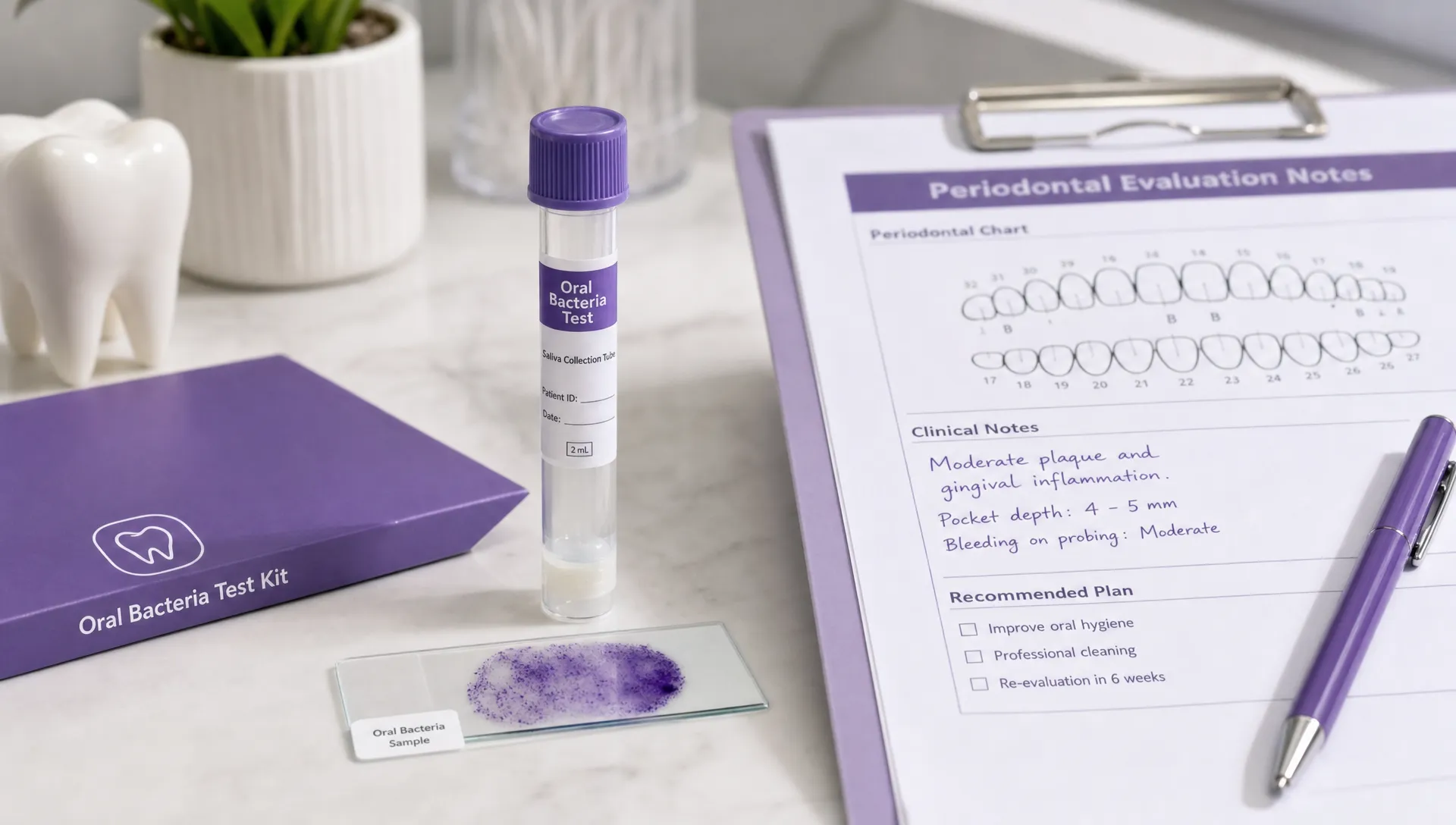
For patients who want a deeper look, biological dental testing may include salivary or biofilm diagnostics. These tools can help identify bacterial patterns that are not visible during a routine visual exam. Origin Dental Wellness explains this broader testing philosophy in its guide to dental testing that helps find hidden oral health risks.
Step 3: Using imaging to see what the eye cannot
A Tulsa dentist evaluating hidden inflammation may use advanced imaging when a surface-level exam does not explain the full picture. Two-dimensional dental X-rays can show cavities, bone levels and obvious pathology, but some concerns are more clearly evaluated with three-dimensional imaging.
Cone beam CT, often called CBCT, can provide a 3D view of teeth, roots, bone and surrounding structures. In biological dentistry, this can be useful when evaluating areas with past extractions, root canal treated teeth, suspected jawbone changes or unexplained symptoms. Imaging does not automatically mean treatment is needed. It gives the clinician better information before making recommendations.
This matters because hidden dental inflammation is sometimes related to areas that are not painful. A tooth can look acceptable from the outside while deeper anatomy tells a more complicated story.
Step 4: Reviewing old dental work and material compatibility
Dental materials can be a source of concern for toxin-sensitive patients. Metal restorations, nickel-containing appliances, older crowns, amalgam fillings and certain resin materials may be tolerated by one person but problematic for another. A biological evaluation does not assume every material is right for every body.
At Origin Dental Wellness, material choice is part of the inflammation conversation. Dr. Toler may consider biocompatibility, patient history and specialist allergy coordination when material hypersensitivity is a concern. This is especially relevant for patients with known metal allergies, autoimmune conditions or unexplained reactions after dental work.
Mercury amalgam is a separate concern for many holistic patients. Origin Dental Wellness follows a biological, low-exposure philosophy and uses SMART-protocol principles for mercury removal when removal is recommended. The International Academy of Oral Medicine and Toxicology provides information on the Safe Mercury Amalgam Removal Technique, which is designed to reduce mercury exposure during the removal process.
Step 5: Considering root canal treated teeth and chronic infection risk
Root canal therapy is a contested topic, and different dental practices approach it differently. Origin Dental Wellness does not present root canals as its recommendation. From the practice’s biological perspective, a non-vital tooth can be a concern because it may harbor microbial activity in complex root anatomy or surrounding bone.
That does not mean every root canal treated tooth is automatically the source of a patient’s health issue. It means Dr. Toler evaluates the tooth, surrounding bone, symptoms, imaging findings and patient health history before discussing options. The conversation is individualized rather than fear-based.
A Tulsa dentist who works in this biological lane may also look at old extraction sites, areas of jawbone change and long-standing dental symptoms that have not been explained by a routine exam. The aim is to identify possible oral contributors to inflammation while avoiding unsupported promises about whole-body outcomes.
Step 6: Connecting oral findings with whole-body context
Hidden dental inflammation can overlap with broader health patterns. Periodontal inflammation, oral pathogens, poor sleep, nutrition, airway stress, blood sugar dysregulation and immune function can influence one another. A biological dentist does not treat the mouth as separate from the body.
Research indexed in PubMed has explored associations between periodontal disease and systemic inflammatory conditions. Association is not the same as proof that one issue causes another in every patient, but it supports a careful, whole-person approach when evaluating chronic oral inflammation.
This is where a comprehensive exam can be valuable. Instead of focusing only on drilling, filling or cleaning, the visit may include discussion of inflammatory patterns, oral hygiene habits, nutrition, dental materials, gum health and patient goals. For a broader explanation of this philosophy, see Origin Dental Wellness’s article on why dental health matters for inflammation and immunity.
What signs may prompt a deeper inflammation evaluation?
Not every patient needs every test. A biological dental evaluation is customized based on the person’s history, risks and current findings. Still, certain patterns often justify a closer look.
Common reasons to evaluate for hidden dental inflammation include:
- Bleeding gums, gum tenderness or persistent bad breath
- A history of root canal treated teeth or unexplained tooth discomfort
- Old extraction sites that have never been evaluated with 3D imaging
- Mercury amalgam fillings or concern about past metal exposure
- Known metal allergies, chemical sensitivity or material reactions
- Ongoing immune, gut or inflammatory concerns with no clear dental review
- Loose teeth, gum recession or deep periodontal pockets
- A desire for preventive, health-centered dentistry rather than symptom-only care
These signs do not confirm a diagnosis by themselves. They are reasons to gather better information and build a treatment plan that fits the patient.
How findings become a personalized plan
A Tulsa dentist practicing biological dentistry should not jump from one finding to an aggressive treatment plan without context. At Origin Dental Wellness, the next step after evaluation is education. Patients should understand what was found, why it may matter and what options are available.
Recommendations may involve periodontal therapy, microbiome-focused hygiene support, ozone therapy, replacement of incompatible materials, SMART-protocol amalgam removal, evaluation of non-vital teeth or supportive therapies such as PRP or PRF when clinically appropriate. Not every patient needs the same sequence. The safest next step depends on urgency, immune status, dental stability and the patient’s priorities.
This is also why comprehensive new patient visits are more involved than a quick screening. Patients receive extensive insight and customized recommendations for their dental health. If treatment is recommended, pricing is discussed upon request for that specific care. Origin Dental Wellness is out-of-network for all insurance providers, and treatment recommendations are made based on clinical judgment rather than the likelihood of insurance coverage.
Why this approach matters for toxin-sensitive and health-focused patients
Patients who choose biological dentistry often want more than a cavity check. They may be trying to avoid unnecessary chemical exposure, understand oral bacteria, remove mercury safely, choose biocompatible materials or reduce sources of chronic inflammation. For these patients, a standard exam can feel incomplete if it does not address the mouth-body connection.
A comprehensive biological evaluation does not promise that dental care will resolve systemic symptoms. It does, however, help patients make more informed decisions about oral health. When the mouth is inflamed, infected or exposed to poorly tolerated materials, it deserves careful attention as part of a broader wellness plan.
For many adults and families in Tulsa, that is the difference between dentistry that reacts to problems and dentistry that investigates why those problems may be happening.
Frequently Asked Questions
Can dental inflammation exist without pain? Yes. Gum disease, bone changes, microbial imbalance and inflammation around older dental work may develop with few symptoms. Pain is useful information, but it is not the only sign a dentist considers.
What testing can help find hidden dental inflammation? Depending on the patient, evaluation may include periodontal charting, salivary or biofilm diagnostics, microscopic plaque review, dental X-rays, cone beam CT or material compatibility testing. Dr. Toler recommends testing based on clinical findings and health history.
Does a biological dentist treat root canals differently? Origin Dental Wellness takes a biological approach and does not recommend root canal therapy as a default solution. Existing root canal treated teeth may be evaluated with symptoms, imaging and whole-body context in mind.
Is mercury filling removal always recommended? No. Removal depends on the patient’s situation, dental stability and risk factors. When removal is recommended, Origin Dental Wellness uses a safety-focused approach based on SMART-protocol principles to reduce exposure during the procedure.
When should I see a Tulsa dentist for hidden inflammation concerns? Consider scheduling a comprehensive evaluation if you have bleeding gums, old root canals, mercury fillings, unexplained dental symptoms, material sensitivities or chronic health concerns that have never been reviewed through an oral-systemic lens.
To explore how Dr. Toler applies these principles clinically, review biological tooth extraction and oral surgery and biological periodontal therapy before scheduling through our Tulsa office.
Take the next step toward a clearer picture of your oral health
If you suspect hidden dental inflammation is affecting your health, Origin Dental Wellness offers a biological approach for patients in Tulsa, the surrounding metro, Oklahoma City and neighboring states. Dr. Shannon Toler evaluates the mouth with attention to inflammation, biocompatibility, microbial balance and your overall health story.
To learn what a comprehensive visit may include, explore what to expect from a new patient dental exam in Tulsa or contact Origin Dental Wellness to request an appointment.