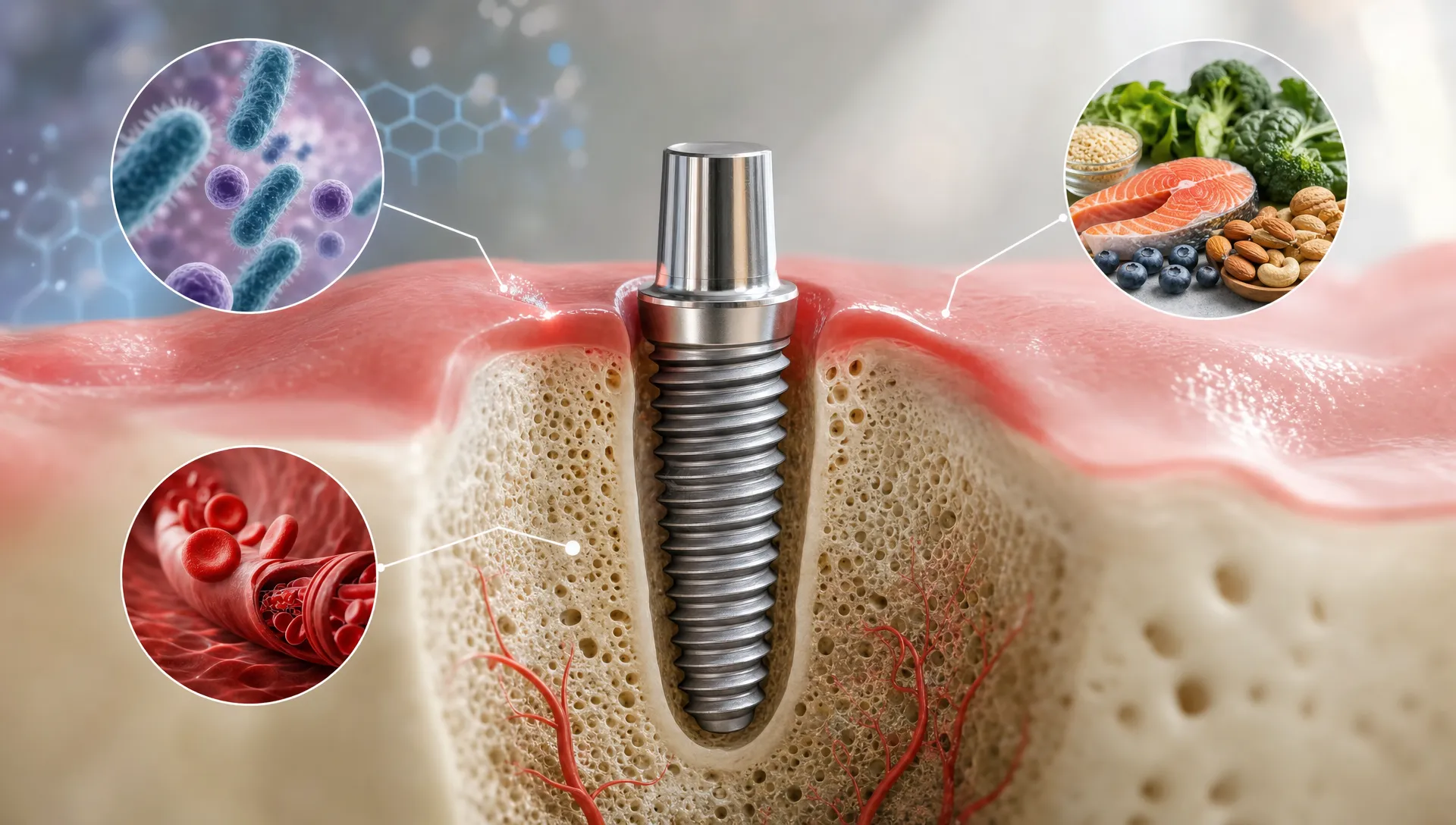
If you are searching for “dental implants in Tulsa,” you may already know that replacing a missing tooth involves more than choosing a natural-looking crown. For patients concerned about metal sensitivity, inflammation or whole-body health, the consultation should also address material compatibility, healing readiness and long-term maintenance.
At Origin Dental Wellness in Tulsa, Oklahoma, Shannon Toler, DDS, BCHN, AIAOMT, FAAOSH, FMRII, approaches that conversation as a biological dentist and board-certified holistic nutritionist. Her health-centered perspective considers the mouth alongside your medical history, nutrition and existing dental materials. This guide explains what to discuss before deciding whether an implant belongs in your treatment plan.
Dental Implants Tulsa Patients Can Discuss: Understand the Complete Restoration
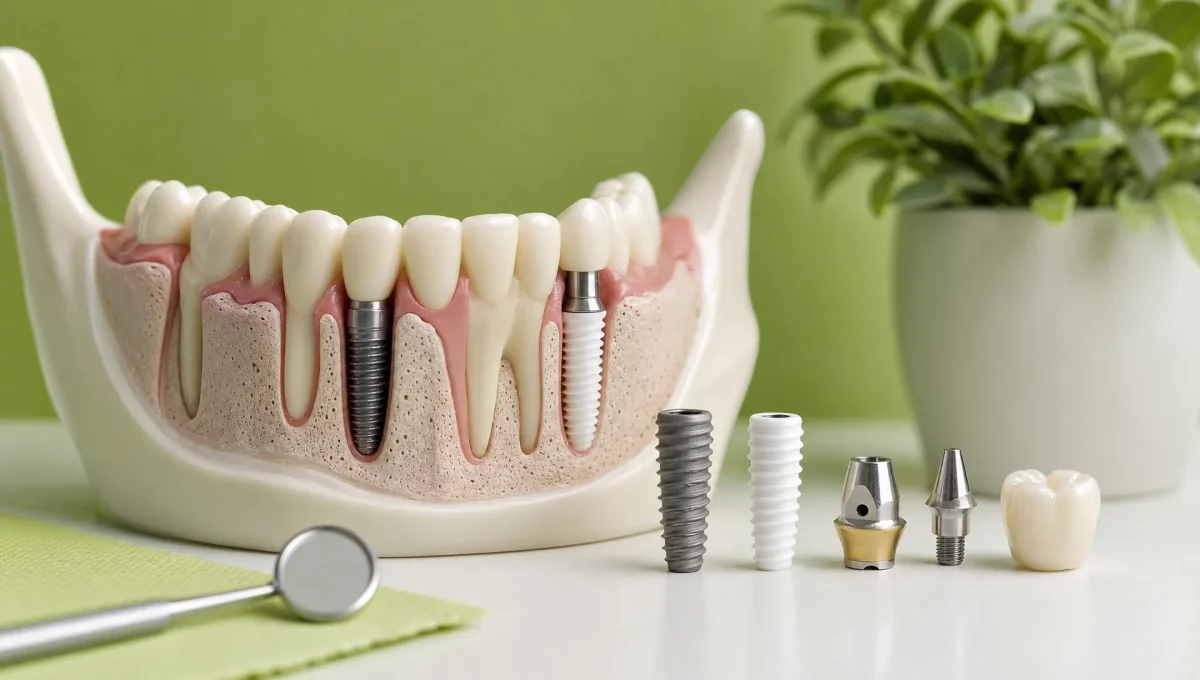
A dental implant is not simply a replacement tooth. The treatment usually involves an implant fixture placed in the jawbone, an abutment that connects the fixture to the restoration and a crown or another tooth-replacement structure. Those components may contain different materials.
That distinction matters if your goal is to minimize metal exposure or investigate a possible material sensitivity. A ceramic crown does not necessarily mean the fixture and connector are metal-free. Ask for the proposed material composition of the complete restoration, not just the visible tooth.
The conversation should also establish whether an implant is the right option at all. Depending on the location of the missing tooth, neighboring teeth, bone support and your preferences, a bridge or removable replacement may deserve consideration.
A consultation is an evaluation, not a commitment to surgery. It should clarify what Dr. Toler recommends, what care would take place at Origin Dental Wellness and whether another clinician would participate in any part of treatment.
Start With Gum Health and Your Medical History
The dental implants Tulsa patients consider need an environment that supports healing and ongoing care. An implant cannot develop a cavity, but the surrounding tissues can become inflamed or infected. Existing periodontal disease therefore deserves attention before replacement plans move forward.
The National Institute of Dental and Craniofacial Research’s guidance on gum disease identifies smoking and diabetes among relevant risk factors. Its information on diabetes and oral health also explains how diabetes can affect oral infection and healing. These connections make your health history clinically relevant, not just paperwork.
Tell Dr. Toler about medications, autoimmune conditions, immune suppression, tobacco use and previous healing problems. Include osteoporosis medications, past radiation involving the head or neck and any history of unusual reactions after dental treatment. Do not stop or change prescribed medication on your own.
From a biological perspective, nutrition and the oral microbiome also belong in this discussion. Dr. Toler’s combined dental and nutrition background informs her approach to assessing these factors. Salivary or biofilm diagnostics may be worth discussing when the results could change care, but testing should answer a specific question rather than become an automatic package.
Having a medical condition does not automatically rule out an implant. It may change the timing, require coordination with your medical clinician or make a different replacement option more appropriate.
Discuss Materials Without Assuming One Is Best for Everyone
Titanium-zirconium alloys and zirconia ceramics are distinct implant categories, and neither label guarantees that a single device suits every mouth. As a Fellow of the Resnik Implant Institute and the International Dental Implant Association, Dr. Toler’s preferred system for dental implants at Origin Dental Wellness is the Straumann Roxolid implant—a high-strength alloy of roughly 85% titanium and 15% zirconium valued for reliable osseointegration and paired with metal-free ceramic restorations—while also reviewing non-metal alternatives when a patient’s medical history warrants them.
When evaluating dental implants in Tulsa, the useful question is not simply “Which material is healthiest?” It is “Which complete restoration fits my history, anatomy and restorative needs?”
| Topic to clarify | Why it matters | Question to ask |
|---|---|---|
| Implant fixture | The fixture remains in the jawbone | What material and implant system are proposed? |
| Abutment and screws | Connectors may differ from the fixture material | Does any component contain metal? |
| Crown and bonding materials | The visible tooth is only part of the restoration | What ceramics, cements or adhesives would be used? |
| Sensitivity history | Previous reactions may warrant further evaluation | Would targeted testing or an allergy consultation help? |
| Restorative design | Material choice must also fit the clinical situation | What limitations or trade-offs apply to this option? |
If you have reacted to jewelry or dental materials, describe the reaction and bring any previous test results. Ask whether coordinating with a trusted allergy specialist would help investigate suspected metal sensitivity and what the limitations of testing are. Testing cannot certify that an implant will be tolerated, predict healing or replace an appropriate medical allergy evaluation.
Origin Dental Wellness’s emphasis on biocompatibility means considering individual history and material choices. It should not be interpreted as a claim that all metal implants are harmful or that every ceramic option is automatically safer.
Ask What Imaging and Healing Stages Are Necessary
A treatment recommendation should explain what is known about the proposed site and what still needs evaluation. Relevant questions include bone volume, gum tissue condition, neighboring tooth health, bite forces and the location of nearby anatomical structures.
Cone beam CT can provide three-dimensional information when that information is needed for planning. Ask what clinical question the scan would answer and how it would affect the recommendation. Imaging should have a purpose, rather than being presented as a guarantee of safety.
If a tooth requires removal or bone support is insufficient, additional treatment may be discussed before implant placement. Ask whether grafting is necessary, what graft material would be used and whether there are reasonable alternatives.
For dental implants Tulsa patients are considering, the timeline should distinguish surgery from delivery of the final restoration. Osseointegration, the process through which bone forms a stable connection with the implant surface, requires healing time. Some treatment stages can be combined; others need to be separated.
Patients coming from Broken Arrow, Jenks, Bixby, Owasso or Sand Springs should ask how many visits may be needed. Those traveling from Oklahoma City or neighboring states should also discuss follow-up arrangements and who to contact if a problem develops between visits.
The practice’s guide to planning for healthier recovery offers additional context for considering inflammation, nutrition and overall readiness before treatment.
Make Long-Term Maintenance Part of the Decision
An implant recommendation should include a realistic home-care plan. The restoration’s shape and position affect whether you can comfortably clean around it, especially if you have limited dexterity or difficulty using floss.
Maintenance matters for dental implants Tulsa patients hope to keep functioning over time. Ask how the proposed design allows access around the gumline, which cleaning tools suit it and how the tissues will be monitored. A low-toxicity preference should still support effective plaque removal; “natural” products are not automatically appropriate for every restoration.
Origin Dental Wellness’s fluoride-free approach can be discussed within your individualized care plan. The implant fixture does not develop decay, but any remaining natural teeth still need cavity prevention. Your plan should account for both rather than treating the entire mouth as one material.
Bleeding, tenderness, discharge or a change in how the restoration feels should prompt contact with a dental clinician. Do not assume these changes are a normal part of having an implant.
For practical ongoing care considerations, the practice’s explanation of routine dental implant maintenance can help you prepare questions before choosing a restoration.
Bring Questions That Make the Recommendation Clear
You do not need to arrive knowing which implant system you want. Bring your goals, concerns and available records so the discussion can focus on your situation.
A medication list, previous dental imaging, allergy reports and details of past dental reactions can be useful. If your main concern is metal exposure, explain that directly. If you are more concerned about recovery, appearance or the number of appointments, those priorities also belong in the plan.
Consider bringing these questions:
- Why recommend an implant for this site? Ask how it compares with a bridge, removable replacement or delaying treatment.
- What needs attention first? Clarify whether gum inflammation, an existing infection or a medical issue changes the sequence.
- What materials would be used throughout? Request information about the fixture, connector, crown and any graft or bonding materials.
- Who handles each treatment stage? Establish responsibility for placement, restoration, follow-up and urgent concerns.
- What could change the plan? Ask about findings that might alter the timeline, procedure or estimated cost.
The overview of what to expect from a holistic dentist in Tulsa provides broader context for Origin Dental Wellness’s health-centered evaluation.
Understand Costs and Insurance Before Scheduling Treatment
An estimate for dental implants Tulsa patients are considering should identify the recommended stages rather than offer an unexplained single number. Depending on the plan, separate items may include evaluation, imaging, extraction, grafting, implant placement and the final restoration. Ask what is included and which services would involve another provider.
Origin Dental Wellness does not publish a comprehensive price list. Pricing information is available upon request once treatment has been recommended. The new-patient appointment costs more than $500 and is designed to provide extensive insight and customized recommendations about your dental health. It is not an implant-placement fee or a promise that an implant will be recommended.
The practice is out-of-network with all insurance providers. Payment is due in full on the day of the appointment. Origin Dental Wellness then files with your insurance company, and reimbursement depends on the insurer’s approval and out-of-network benefits. Treatment recommendations are made without regard to whether insurance is likely to cover them.
The practice does not directly offer financing or pay-over-time plans, but it accepts the CareCredit credit card. CareCredit is a third-party credit provider, so review its current terms separately. Ask the office about anticipated costs before committing to care.
Frequently Asked Questions
Can I discuss implants if I have a metal allergy? Yes. Bring details of your reactions and any existing allergy-test results. Dr. Toler can discuss the relevance of your history, the proposed materials and whether further evaluation is appropriate. A reported allergy does not, by itself, establish which implant option is suitable.
Are zirconia implants always better than titanium implants? No material is universally best. Zirconia may be relevant to a metal-free preference, but anatomy, implant design and restorative requirements also matter. Confirm the composition of every component rather than relying on the description of the crown alone.
Can I receive an implant immediately after an extraction? Sometimes immediate placement is considered, but it is not appropriate for every site. Infection, bone support, tissue condition and the ability to obtain stability can affect the recommendation. Ask why immediate or delayed placement would fit your situation.
Does a biological approach eliminate implant risks? No. Biological planning emphasizes individual health, material compatibility and the oral environment, but it cannot eliminate infection, healing complications, mechanical problems or implant failure. The consultation should include limitations as well as potential benefits.
Will my first appointment include implant surgery? Do not assume that it will. The new-patient visit is intended to evaluate your health and develop recommendations. Confirm the appointment’s scope with the office and ask which future visits or referrals might be needed.
To explore how Dr. Toler applies these principles clinically, review biological periodontal therapy and metal-free restorative dentistry before scheduling through our Tulsa office.
Discuss Your Tooth-Replacement Options With Dr. Toler
Choosing a replacement tooth should begin with a clear explanation of your options, not a commitment to a particular material or procedure. Your health history, preferences and ability to maintain the restoration all deserve attention.
To discuss dental implants in Tulsa through a biological lens, contact Origin Dental Wellness in Tulsa, Oklahoma. Ask about a new-patient appointment with Dr. Toler and bring your questions about materials, healing, treatment responsibilities and costs. The next step is an individualized recommendation, including whether an implant is appropriate for you.