
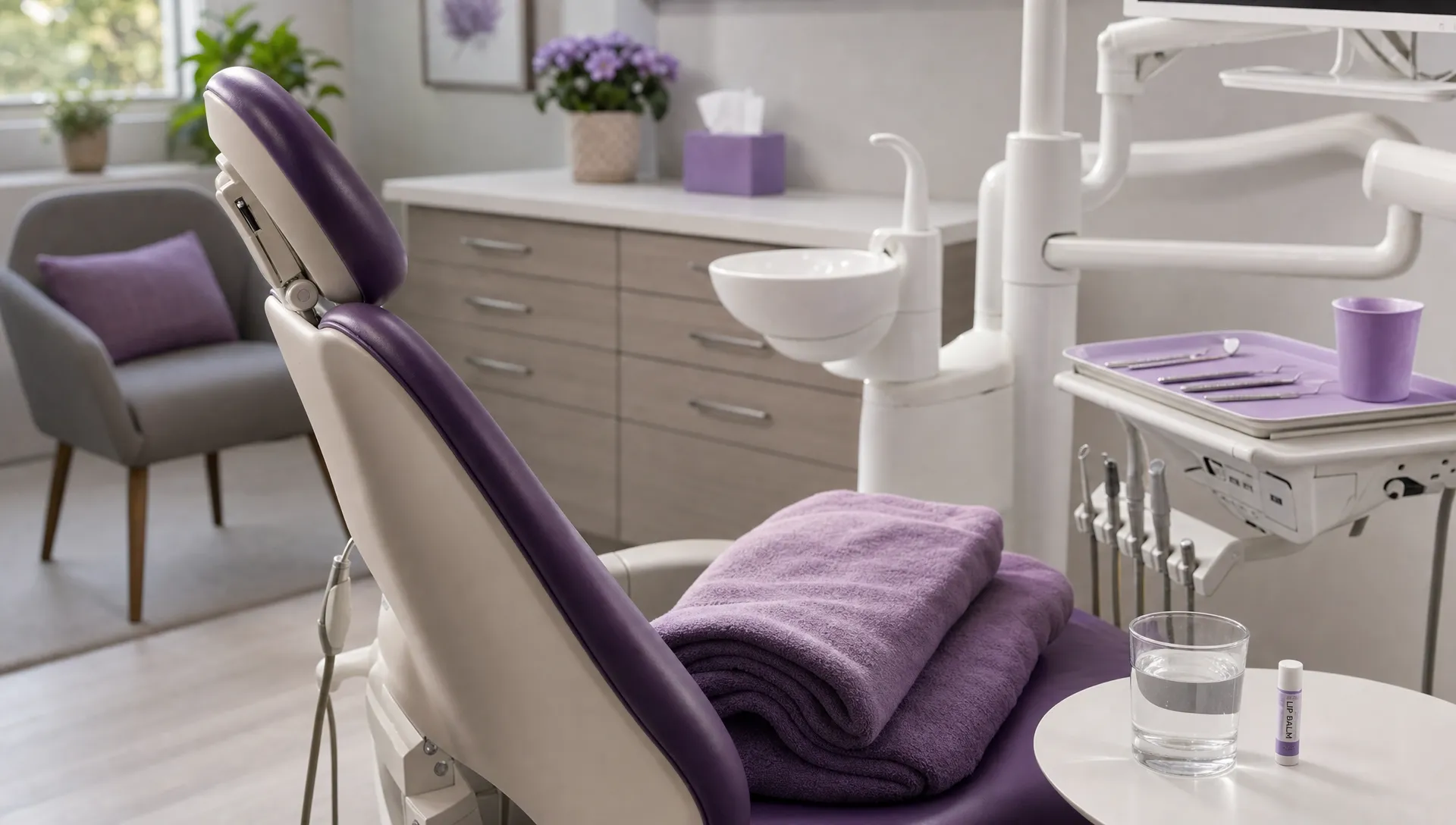
If your teeth react to cold, your gums flare easily or you have a history of reacting poorly to dental materials, a standard dental visit can feel like a gamble. For sensitive patients in Tulsa and across Oklahoma, biocompatible dentistry offers a more personalized way to think about care: not only what fixes a tooth, but what best fits your biology.
At Origin Dental Wellness, that distinction matters. Shannon Toler, DDS, BCHN, AIAOMT, FAAOSH, FMRII approaches dentistry through a biological and oral-systemic lens, considering material compatibility, inflammation, microbiome health, nutrition and low-toxicity protocols before recommending treatment. This does not mean every patient needs the same tests or the same materials. It means your history, sensitivities and whole-body health are part of the decision-making process from the beginning.
What sensitive patient really means in a biological dental office
Sensitivity is not one single problem. Some patients mean tooth sensitivity, such as pain with cold drinks, whitening products or chewing. Others mean chemical sensitivity, metal allergies, immune reactivity, mast cell concerns, chronic inflammation, gut issues or anxiety triggered by prior dental experiences. Many patients have more than one of these concerns at the same time.
In a biological practice, a sensitive patient is someone whose body may need a more careful, individualized approach to dentistry. That can include someone with:
- A history of reacting to metals, acrylics, fragrances, fluoride or dental anesthetics
- Existing mercury amalgam fillings and concerns about removal exposure
- Autoimmune or immune-compromised conditions that make inflammation harder to manage
- Gum inflammation, dry mouth or recurring biofilm imbalance
- Strong gag reflex, sensory sensitivity or dental anxiety
- Tooth sensitivity after whitening, restorations or gum recession
The goal is not to label patients as fragile. It is to reduce avoidable stressors and choose dental care that makes sense for the person in the chair.
Biocompatible dentistry is more than choosing white fillings
Biocompatible dentistry asks a practical question: how will this material, procedure or protocol interact with this patient over time?
That question reaches beyond aesthetics. A tooth-colored restoration may look natural, but the material still needs to be evaluated for its ingredients, bonding chemistry, durability and compatibility with the patient. A metal may be tolerated by one person and poorly tolerated by another. A product that is routine in one office may not fit the needs of someone with multiple sensitivities.
The oral-systemic connection is central here. The American Academy for Oral Systemic Health describes oral health as connected to systemic health rather than separate from it. For a sensitive patient, that perspective changes the conversation. Gum inflammation, bacterial biofilm, airway concerns, nutrition, sleep and immune burden can all influence how a person responds to dental care.
At Origin Dental Wellness, Dr. Toler uses that broader context when evaluating materials and treatment options. If you want a deeper explanation of the material-selection side, the practice has also written about how a biological dentist chooses safer dental materials, including why compatibility is more nuanced than simply avoiding one ingredient.
Why tooth sensitivity deserves a whole-person evaluation
Tooth sensitivity can come from exposed dentin, gum recession, enamel wear, cracked teeth, decay, bite stress, recent dental work, whitening products or inflamed gums. The National Institute of Dental and Craniofacial Research explains that sensitivity can occur when dentin becomes exposed, allowing temperature or other triggers to stimulate nerves inside the tooth.
That explanation is helpful, but sensitive patients often need more than a quick desensitizing recommendation. If your teeth are sensitive because your gum tissue is inflamed, the biological priority may include biofilm evaluation and microbiome support. If sensitivity began after a restoration, the issue may involve bite balance, bonding failure or material response. If whitening causes sharp discomfort, cosmetic care may need a gentler plan rather than a stronger product.
Basic home strategies can sometimes reduce triggers, and general resources like this guide on how to deal with sensitive teeth can help patients think through everyday habits. Persistent, worsening, localized or spontaneous sensitivity should be evaluated clinically, especially if it comes with swelling, pain on biting or a visible crack.
| What you notice | A biological evaluation may consider | Why it matters |
|---|---|---|
| Cold sensitivity near the gumline | Gum recession, enamel wear, brushing habits, pH balance | The goal is to address the cause, not only numb the symptom |
| Sensitivity after a filling or crown | Bite pressure, bonding, nerve irritation, material response | Adjusting the plan may protect the tooth and reduce stress |
| Burning, swelling or irritation after dental products | Ingredient sensitivity, flavorings, fluoride, detergents, metals | Low-toxicity alternatives may be more appropriate |
| Recurring gum tenderness | Biofilm balance, inflammation, salivary factors, systemic health | Gum health is connected to whole-body inflammatory burden |
| Sensitivity with cosmetic whitening | Enamel condition, gum exposure, product strength, timing | Smile enhancement should be planned around comfort and tolerance |
How biocompatible care changes the patient experience
For sensitive patients, the biggest difference is often the sequence of care. Instead of starting with a procedure and hoping the body tolerates it, biocompatible dentistry starts with assessment.
A more detailed health history
Dr. Toler may want to understand prior dental reactions, known allergies, medical diagnoses, medications, supplements, sleep, nutrition, gut health and chemical sensitivities. As a Board Certified Holistic Nutritionist as well as a biological dentist, she can consider how oral findings and nutritional context may relate, without turning a dental visit into a diagnosis of unrelated medical conditions.
This is especially relevant for patients who have been told everything looks normal, even though their mouth feels reactive. A sensitive patient may need a slower pace, clearer explanations and fewer assumptions.
Material compatibility and testing when appropriate
Biocompatible dentistry does not claim that one material is perfect for everyone. It weighs the patient’s history, the location of the tooth, the strength required, the moisture conditions, the size of the restoration and the patient’s possible sensitivities.
For patients with suspected metal hypersensitivity, testing such as MELISA may be discussed when clinically appropriate. Testing is not a guarantee of how every material will behave in the mouth, but it can add useful information for patients with a strong history of reactions. The decision still depends on clinical judgment, dental anatomy and the risks of delaying care.
Low-toxicity protocols during treatment
Sensitive patients often care as much about the process as the final restoration. At Origin Dental Wellness, the biological approach may include fluoride-free care, ozone therapy when appropriate, careful material selection, salivary and biofilm diagnostics, cone beam CT when indicated and support for nervous system calm through options such as NuCalm.
For patients with mercury amalgam fillings, removal requires special precautions. Origin Dental Wellness follows a biological approach to mercury removal, and the IAOMT SMART protocol is a key reference point for reducing avoidable exposure during amalgam removal. Not every filling needs to be removed immediately, and timing should be based on the individual clinical picture.
When a tooth is structurally compromised or chronically infected, Origin Dental Wellness does not provide root canal therapy as part of its biological philosophy. Dr. Toler discusses options in the context of oral-systemic health, imaging findings, patient priorities and the risks and benefits of each path.
Why this matters for toxin-sensitive and immune-compromised patients
In our Tulsa practice, toxin-sensitive patients often arrive after years of trying to reduce exposures in food, home products, personal care and medical decisions. Dentistry can be one of the missing pieces because dental materials remain in the mouth every day and oral bacteria can influence inflammation.
That does not mean dentistry should be fear-based. The point of biological care is to replace guesswork with a more thoughtful plan. For example, a patient with multiple chemical sensitivities may benefit from discussing fragrance exposure, product ingredients and appointment pacing before treatment. A patient with immune challenges may need careful attention to gum inflammation and biofilm. A patient who reacts to metals may need a more detailed conversation before choosing crowns, implants or appliances.
This is also where preventive care becomes more personalized. A conventional prevention plan may focus heavily on routine products. A biological prevention plan may instead emphasize biofilm control, diet patterns, airway and dry mouth considerations, mineral-supportive habits, gum health and individualized risk factors. For patients who want more context, Origin has a related guide on biological dental care for toxin-sensitive patients.
Cosmetic dentistry can be biocompatible too
Sensitive patients often assume cosmetic dentistry is not for them because whitening has hurt in the past or they worry about bonding materials. Biocompatible dentistry does not ignore appearance. It simply avoids separating beauty from biology.
A smile enhancement plan may consider gum health, enamel thickness, bite forces, material compatibility and the patient’s tolerance before moving forward. For example, whitening may need a gentler approach, and restorative materials should be selected for both aesthetics and biocompatibility. The goal is not the brightest smile at any cost. The goal is a smile that fits the patient’s health priorities, comfort and long-term function.
What to expect if you visit Origin Dental Wellness
Patients visit Origin Dental Wellness from Tulsa, Broken Arrow, Jenks, Bixby, Owasso, Sand Springs, Oklahoma City and neighboring states because they want dentistry that takes the whole person seriously. The new patient appointment is over $500 and is designed to be more comprehensive than a typical initial dental visit. You receive extensive insight and customized recommendations for your overall dental health, and Dr. Toler may recommend future treatments or schedule a follow-up visit based on what is found.
Pricing for specific treatment is available upon request once treatment has been recommended. Origin Dental Wellness is out-of-network for all insurance providers. Payment is due in full on the day of the appointment, then the team files with your insurance company so any reimbursement can be made at the out-of-network rate, subject to their approval. Treatment recommendations are based on your oral health, biology and clinical needs rather than the likelihood of insurance coverage.
The practice does not directly offer financing or pay-over-time plans, though it does accept the CareCredit credit card, a third-party option used by many medical providers.
Frequently Asked Questions
Is biocompatible dentistry the same as holistic dentistry? They overlap, but they are not always identical. Biocompatible dentistry focuses on how dental materials and protocols interact with the individual patient. Holistic or biological dentistry also considers oral-systemic health, low-toxicity care, nutrition, inflammation and whole-body context.
Can biocompatible dentistry stop sensitive teeth? It depends on the cause. Sensitivity from gum recession, enamel wear, cracks, bite stress, decay or inflammation each requires a different plan. A biological evaluation can help identify likely contributors and choose a more personalized approach, but no dental office can promise a specific outcome without an exam.
Do all sensitive patients need material testing? No. Testing such as MELISA may be useful for patients with a history that suggests metal hypersensitivity, but it is not automatically needed for everyone. Dr. Toler considers the patient’s history, planned treatment and clinical findings before discussing testing.
Does Origin Dental Wellness use fluoride? Origin Dental Wellness takes a fluoride-free approach. Prevention is built around individualized risk assessment, biofilm management, nutrition-aware guidance, gum health and low-toxicity strategies that fit the patient’s needs.
What if I have mercury fillings? Mercury amalgam fillings are evaluated in context. If removal is recommended, Origin Dental Wellness uses a biological approach with protective precautions rather than casual drilling. Timing depends on the condition of the tooth, the patient’s health priorities and the overall treatment plan.
A more compatible path for sensitive patients in Oklahoma
If dental care has felt too rushed, too reactive or too one-size-fits-all, biocompatible dentistry may be a better fit for how you want to care for your health. Sensitive patients deserve more than reassurance. They deserve careful listening, thoughtful materials, low-toxicity protocols and a plan that respects the connection between the mouth and the rest of the body.
If you are in Tulsa or the surrounding Oklahoma metro and want a biological perspective on tooth sensitivity, material concerns or whole-body dental wellness, connect with Origin Dental Wellness to learn whether Dr. Shannon Toler’s approach is right for your needs.