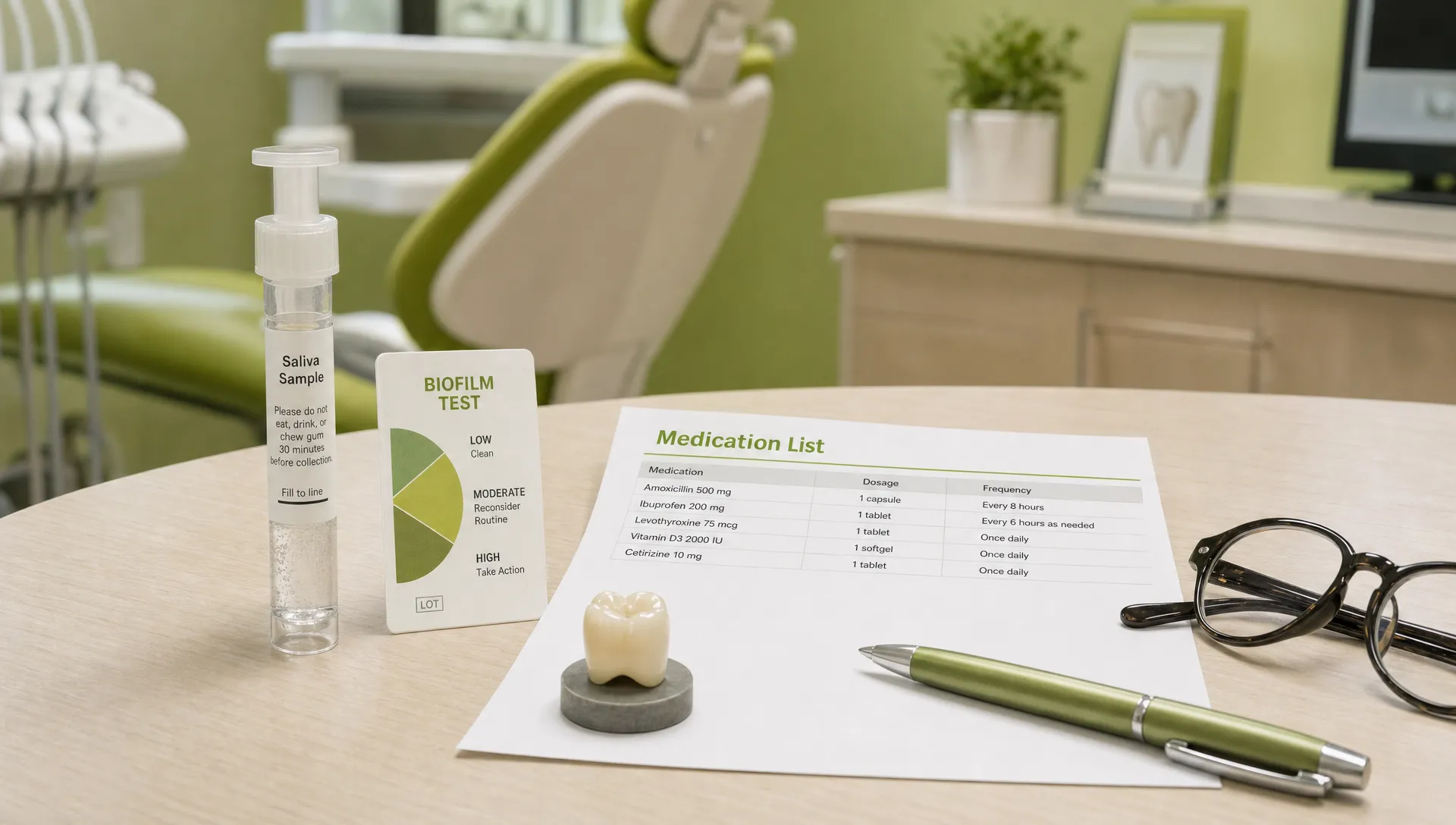
Searching for a dentist for older adults in Tulsa can become more complicated when diabetes, heart disease, medication side effects or immune concerns are part of daily life. The right dental plan needs to account for more than cavities. It should consider your medical history, the materials placed in your mouth and whether recommended treatment fits your health needs and ability to recover.
At Origin Dental Wellness, biological dentistry connects these concerns rather than treating them separately. For older adults with complex health, the goal is an individualized plan that supports comfortable eating, manageable home care and informed decisions about treatment.
Why a whole-health approach matters in later life
Getting older does not automatically mean losing teeth. However, changes in saliva, exposed tooth roots, reduced hand strength and multiple medications can make prevention more demanding. A routine that worked well ten years ago may no longer meet your needs.
The oral-systemic connection also matters. The National Institute of Dental and Craniofacial Research’s guidance on gum disease explains that diabetes increases the risk of periodontal disease. Dental care should address oral inflammation without promising that treating the mouth will resolve a systemic illness.
Dr. Shannon Toler, DDS, BCHN, AIAOMT, FAAOSH, FMRII, is Origin Dental Wellness’s biological dentist and board-certified holistic nutritionist. Her biological approach considers oral health, nutrition and material compatibility together. That perspective supports looking beyond an isolated tooth problem when making clinical recommendations.
What should a biological dentist review for older adults?
A useful evaluation connects dental findings with the conditions that could affect treatment. Age alone is not enough to determine which procedures are appropriate or how frequently someone needs preventive care.
| Health consideration | Why it matters for dental planning | What to discuss |
|---|---|---|
| Diabetes | Gum disease risk and healing may be affected | Recent changes in glucose management and medical care |
| Blood-thinning medication | Some procedures require additional bleeding-risk planning | Medication names, prescribing clinician and planned treatment |
| Osteoporosis or cancer medication | Certain drugs affect risk around jawbone healing | Current and previous medication exposure |
| Immune suppression | Infection risk and procedure timing may need closer review | Current therapy, recent illness and specialist guidance |
| Dry mouth | Reduced saliva increases vulnerability to decay and discomfort | Symptoms, medication changes and daily oral-care products |
These factors do not automatically rule out dental treatment. They identify where more information or coordination may be needed before proceeding.
Origin Dental Wellness’s explanation of integrated dental care provides broader context for connecting oral findings with overall health. For a medically complex senior, that connection should translate into specific decisions about timing, materials and prevention.
Medication review should happen before treatment decisions
When comparing a dentist for older adults,” ask how medication risks influence the proposed plan, not simply whether the office accepts older patients.
Bring a current list of prescriptions, over-the-counter products and supplements. Include why you take them and who prescribes them. Some medications contribute to dry mouth, while others affect bleeding, immune function or bone turnover. Supplements can also matter when procedures are being planned.
Do not stop prescribed medication on your own before a dental appointment. Any proposed change should be coordinated with the prescribing clinician. Blood thinners, in particular, require individualized planning rather than a blanket instruction to discontinue them.
Bone medications deserve a separate conversation
Certain antiresorptive medications used for osteoporosis or cancer are associated with medication-related osteonecrosis of the jaw. The risk varies with the medication, reason for treatment and other factors. An osteoporosis prescription should not be treated as equivalent to every cancer treatment regimen.
The 2022 AAOMS position paper indexed in PubMed explains this risk and the importance of prevention and individualized management. Tell your dental provider about past use as well as current use, especially before an extraction or another procedure involving bone.
Dry mouth and exposed roots can change prevention priorities
Dry mouth is more than an inconvenience. Saliva helps protect teeth, supports swallowing and contributes to the oral environment. According to NIDCR’s dry mouth guidance, persistent dryness can increase the risk of tooth decay and oral infections.
A dentist for older adults should take persistent dryness seriously, even when the teeth do not hurt. Burning, difficulty eating dry foods, nighttime thirst or trouble keeping dentures comfortable are worth mentioning.
A medication review may help identify contributing factors, but some people also need medical assessment for an underlying cause. Do not assume dry mouth is simply an unavoidable part of aging.
A fluoride-free approach still needs a clear prevention plan
Origin Dental Wellness chooses a fluoride-free approach. For someone with exposed roots or reduced saliva, that choice should be accompanied by a careful discussion of decay risk, preventive options and the evidence supporting them. Different products should not be assumed to provide equal protection.
Prevention may involve gentler brushing, effective cleaning between teeth, reducing frequent sugary snacks and addressing dryness. Sugar-free gum may be an option when chewing and swallowing are safe. Fluid advice must respect any restrictions established by your medical clinician.
Biological care also considers the oral microbiome. The goal is not to eliminate every oral microorganism. It is to manage harmful biofilm while avoiding unnecessary irritation and choosing home-care products that fit the individual’s needs.
Material compatibility matters, but testing has limits
For seniors with a history of metal reactions or unexplained irritation around dental work, material selection deserves attention. If you are seeking a dentist for older adults because of chemical sensitivity, explain which substances caused problems, what happened and whether the reaction was medically evaluated.
A useful history distinguishes a confirmed allergy from discomfort, a medication side effect or another type of reaction. Those experiences may require different responses.
Dr. Toler’s biological approach emphasizes biocompatibility when discussing restorations and other dental materials. Metal-free does not mean universally reaction-free, and a material described as natural is not automatically appropriate for every patient.
Hypersensitivity testing and existing fillings
Coordination with a trusted allergy specialist may be discussed when a patient’s history raises a specific question about metal hypersensitivity. Testing has limits and should be interpreted alongside the clinical examination and medical history. It does not establish the cause of every symptom or guarantee that a replacement material will be tolerated.
Existing amalgam fillings do not automatically need removal simply because someone is older or has chronic illness. When removal is recommended, Dr. Toler—an AIAOMT-accredited and SMART-certified biological dentist—performs the procedure using our comprehensive Safe Mercury Amalgam Removal Technique (SMART) engineering controls to protect you from mercury vapor. The reasons for removal, condition of the tooth and proposed replacement should all be discussed first.
Protect eating, comfort and independence
A technically possible treatment is not always the most practical choice. For an older adult, planning should also consider chewing ability, daily cleaning, recovery demands and the availability of help at home.
The right dentist for older adults should explain how a recommendation supports function and what maintenance it will require. Ask what happens if treatment is delayed, whether it can be completed in stages and which concerns are most urgent.
Missing teeth or uncomfortable dentures can make nutritious foods harder to eat. Dental assessment and nutrition conversations can help identify barriers, but dental treatment alone cannot resolve every cause of weight loss or poor appetite. New swallowing difficulty or unexplained weight loss also deserves medical attention.
Make the home-care plan realistic
Arthritis, tremor, vision changes or memory difficulties can make oral hygiene harder. A larger toothbrush handle or powered toothbrush may help some people, while others need assistance from a caregiver. The best routine is one the patient can use safely and consistently.
For families in Tulsa and surrounding communities such as Broken Arrow, Jenks, Bixby and Owasso, transportation and caregiver availability may influence appointment planning. Ask about your practical needs before booking rather than assuming a particular accommodation is available.
Our discussion of a gentler approach to dentistry for special needs offers additional context for patients whose sensory, medical or communication needs affect dental visits.
Prepare for the visit and clarify payment expectations
Before choosing a dentist for older adults,” confirm both the clinical approach and the financial arrangements. A thorough initial visit may differ substantially from a brief examination elsewhere.
Bring your medication list, relevant medical history, known allergies and information about previous dental reactions. Recent dental records may also be useful. If a caregiver helps with decisions, discuss their involvement with the practice and make sure it reflects the patient’s preferences and any applicable decision-making authority.
It is helpful to identify your main priorities in advance: managing discomfort, maintaining chewing ability, understanding existing dental work or reducing exposures associated with treatment.
What to know about Origin Dental Wellness’s fees
Origin Dental Wellness’s new-patient appointment costs more than $500 and provides extensive insight and customized recommendations for dental health. Additional treatment or follow-up visits may be recommended. The practice does not publish a comprehensive price list; pricing is available upon request once treatment is recommended.
Payment is due in full on the day of the appointment. Origin Dental Wellness is out-of-network with all insurance providers and files with your insurer afterward. Reimbursement depends on the insurer’s approval and applicable out-of-network benefits.
The practice does not directly offer financing or pay-over-time plans, but it accepts the CareCredit credit card through that third-party provider. Treatment recommendations are made without regard to whether insurance is likely to cover a procedure.
Frequently asked questions
How often should a senior with complex health have dental visits? There is no single schedule for every older adult. Gum condition, dry mouth, decay history, home-care ability and medical treatment can influence the recommended interval. Ask for the reasoning behind your individual follow-up plan.
Can a dentist for older adults coordinate with my physician? Ask how medical communication is handled when it is needed. Coordination may be especially important around blood-thinning medication, immune-suppressing treatment or procedures involving bone. Dental and medical clinicians have different roles, and both may need to contribute to planning.
Are salivary or biofilm tests necessary for every senior? No test should be added solely because of age. Ask what clinical question a test would answer and whether its result could change prevention or treatment recommendations.
When should dental symptoms receive urgent attention? New swelling, significant pain or signs of infection warrant prompt evaluation, particularly with immune suppression. Rapidly spreading swelling, trouble swallowing or breathing difficulty can require emergency care. Do not wait for a routine appointment when breathing or swallowing is affected.
To explore how Dr. Toler applies these principles clinically, review biological periodontal therapy and drug-free NuCalm relaxation support before scheduling through our Tulsa office.
Discuss your health needs with Origin Dental Wellness
If you are an older adult managing complex health, or helping a family member find care, start with a conversation about medical history, sensitivities and daily needs. A useful dental plan should explain its priorities, alternatives and maintenance requirements.
Contact Origin Dental Wellness in Tulsa to ask about a new-patient appointment with Dr. Shannon Toler. Share your medication concerns, material reactions and caregiver needs so you can discuss whether the practice’s biological approach fits your goals.